Trump Wants New Coal Plants Despite High Costs
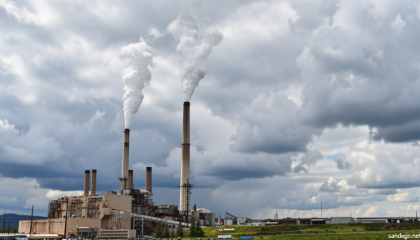
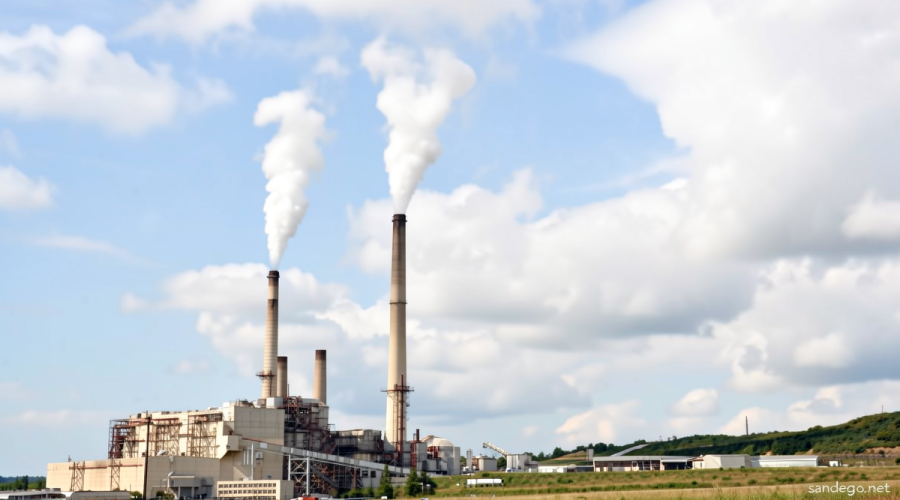
Trump wants new coal plants built across the United States, marking a significant shift in national energy policy. Thirteen years have passed since the country completed its most recent substantial coal-fired electricity generation facility. Now, the Trump White House is advancing plans to construct two additional coal plants, though industry experts warn that even generous federal support may not make these projects economically feasible. President Donald Trump and his advisors have been clear about their enthusiasm for coal-based energy, positioning it as a dependable, continuous power source that major consumers—including industrial operations and data centers—highly value.
While much of the administration’s recent energy policy has focused on extending the operational lifespan of existing coal facilities, a significant development emerged last month. Officials announced that more than $100 million in federal dollars would be allocated toward two proposed coal projects located in West Virginia and Alaska. Currently in their planning phases, this federal investment will support preliminary feasibility assessments. Should construction proceed, these projects would mark a dramatic shift in the trajectory of American coal power.
Staggering Construction Costs Threaten Viability
However, a substantial obstacle remains: the financial burden of building coal facilities equipped with carbon capture technology. This system is designed to prevent the majority of greenhouse gas emissions from entering the atmosphere, instead sequestering them underground. According to an independent assessment commissioned by the Wyoming Energy Authority earlier this year, constructing a 1.6-gigawatt coal plant with carbon capture—such as the West Virginia proposal—would require over $10 billion. The Alaska project, which would generate 1.25 gigawatts, would demand more than $8 billion to complete.
These figures represent more than twice the expense of building a natural gas facility with similar carbon capture capabilities, and exceed four times the cost of developing new solar installations, based on the Wyoming analysis. Notably, this evaluation excluded federal tax credits from its calculations. Only new nuclear power plants carry higher price tags than these coal proposals.
“The cost of that power is going to be far higher than the other forms of energy that are out there, including gas, solar and wind.”
Seth Feaster, an energy data analyst, described these figures as “stunningly high.” His skepticism runs deep. “My baseline reaction is these plants will never get built,” Feaster stated, noting his position at the Institute for Energy Economics and Financial Analysis, a global energy firm. He emphasized that the resulting electricity prices would significantly surpass those of competing energy sources.
Carbon Capture: Promising but Unproven
Even as traditional coal facilities have gradually declined—deemed too expensive and outdated to compete with affordable natural gas and renewable alternatives—the new proposals highlight carbon capture technology. This approach enjoys cross-party approval and received substantial tax incentives through President Joe Biden’s 2022 clean energy legislation. Additionally, the Environmental Protection Agency under Biden endorsed carbon capture as a critical tool for coal plants seeking to manage their emissions.
“If it can be done, it’s going to be put on natural gas plants first. They’re already lower cost; they’re already 40% of the power grid. It’s less carbon to capture.”
Phil Wagner, associate director of research and analysis at McCloskey by OPIS, an organization monitoring coal and electricity markets, characterized carbon capture as still “not proven.” He suggested that natural gas facilities would likely adopt the technology first, given their existing market position and lower carbon output. “It’s still super uncertain whether either of these (new coal) plants will be built,” Wagner concluded.
The funding for these coal initiatives originated from congressional appropriations initially earmarked for carbon emissions reduction and capture. An Energy Department representative for the Hydrocarbons and Geothermal Energy Office confirmed the projects underwent “competitively selected” processes but declined to address CNN’s inquiries regarding specific funding criteria or whether the projects had secured external financial backing or power purchase agreements. Developers associated with both proposals did not respond to CNN’s requests for comment.
According to the Energy Department spokesperson, the Trump administration remains “committed to stabilizing, optimizing, and growing the American coal industry while restoring coal as a cornerstone of the US energy mix.” Rising energy consumption plays a crucial role in this strategy, as demand continues to expand across multiple sectors of the economy.