American Humanitarian Worker Diagnosed with Ebola in Democratic Republic of Congo
Current Case and CDC Response
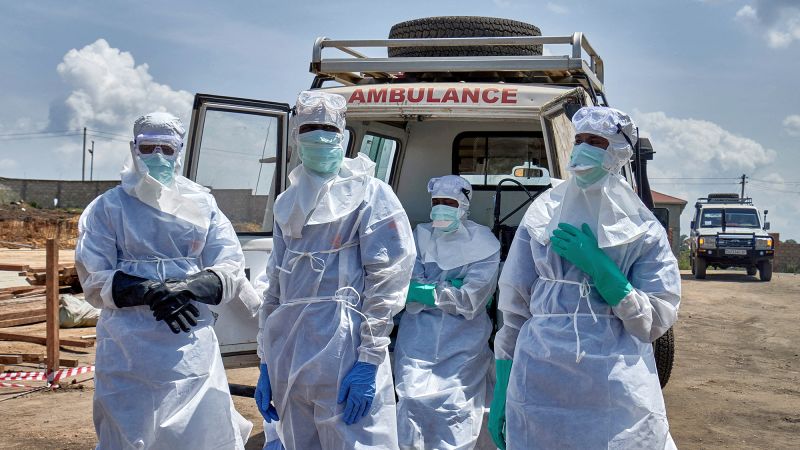
Sandego.net – A United States national employed by a humanitarian organization has received a positive diagnosis for the Bundibugyo variant of the Ebola virus, according to an official announcement from the Centers for Disease Control and Prevention on Friday. Health authorities are currently coordinating with the patient’s employer, alongside various federal departments and international partners operating within the Democratic Republic of Congo, to contain potential spread and locate individuals who may have been exposed.
At this time, additional information regarding the individual’s identity, specific location, or circumstances of infection has not been made public. Representatives from CNN have contacted both the CDC and the United States State Department to request further statements on the developing situation.
Outbreak Statistics and Global Risk Assessment
Government figures released late Friday indicate that the total number of confirmed Ebola infections within the DRC has now reached 1,830, with 648 fatalities recorded. Reuters provided this update based on official government data. Meanwhile, the CDC website published updated information on Saturday confirming that no cases have been detected within American borders. The agency emphasized that the overall threat level to both the general American population and international travelers continues to remain low.
The current epidemic is still primarily restricted to isolated regions within the DRC and adjacent areas of Uganda. Health officials have characterized the probability of the virus crossing into the United States as “very low” based on current containment efforts and travel patterns.
Background: The Stafford Family Case
This recent diagnosis follows a notable case from earlier this year. During May, the international charitable organization Serge announced that Dr. Peter Stafford, an American Christian missionary physician, had tested positive for the disease after developing symptoms that aligned with the viral infection. At the time the outbreak emerged, Dr. Stafford’s wife, Dr. Rebekah Stafford, along with a fellow medical professional, were actively treating patients in the region. All members of the Stafford household, including their four children who are each under seven years of age, were placed under monitoring for potential infection.
The family had resided in the Democratic Republic of Congo since 2021 before being transported to Berlin, Germany, where Dr. Stafford received hospital treatment and entered quarantine. Speaking exclusively to CNN following his recovery, Dr. Stafford reflected on his experience.
“That was a difficult time,” he shared. “I had a high fever, I had weakness, at times too difficult even to walk on my own.”
Dr. Rebekah Stafford described feeling overwhelmed as international support mobilized around her husband’s treatment, while simultaneously recognizing that local Congolese patients would not receive equivalent levels of medical attention. She noted that despite these challenges, their children have adapted well.
“Our oldest son definitely understood, telling our kids ‘hey guys, your dad has Ebola,'” she recalled, explaining how she had to help the children comprehend that they could not touch him, enter his room, or know for certain that he would survive.
First International Case Outside Africa
Adding to the global significance of this outbreak, health authorities last month confirmed the first Ebola case reported outside the African continent. This represents the second-largest epidemic on record for the DRC. The patient, another humanitarian worker, tested positive in France after returning from a mission in the Democratic Republic of Congo. The French Health Ministry confirmed this as the nation’s first recorded case of the disease.
As health organizations continue their efforts to track contacts and prevent further transmission, the situation remains closely monitored by both American and international health authorities. The Bundibugyo strain, while less common than other variants, has demonstrated significant severity in previous outbreaks, making prompt identification and isolation critical to controlling the spread of the virus across borders.