Hegseth Demands Stricter Beard Enforcement Following Ship Visit
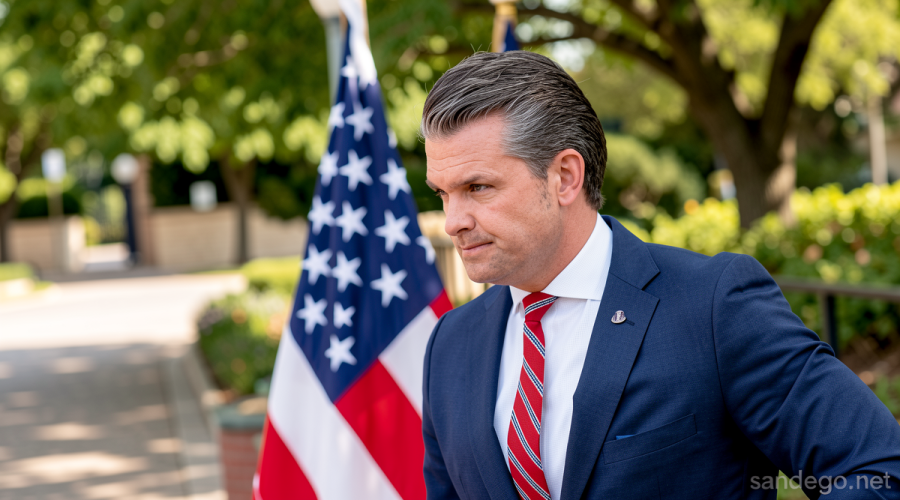
Hegseth pushes for action after sailors – While tensions between the United States and Iran threatened to escalate once again, Defense Secretary Pete Hegseth embarked on a scheduled naval vessel tour meant to connect with sailors. What should have been an ordinary inspection turned into a moment of scrutiny over facial hair. According to defense officials and internal correspondence reviewed by CNN, Hegseth spotted several crew members wearing beards despite a more rigorous grooming standard he implemented the previous year. This discovery left the defense secretary questioning whether everyday Pentagon staff had truly absorbed his recent policy modifications.
Within weeks of that June encounter, Pentagon leadership convened multiple sessions to communicate with subordinate offices. Officials conveyed that Hegseth was tracking advancement on the beard initiative alongside other workplace adjustments. Political appointees reportedly urged quicker implementation of these directives. One Pentagon employee handling civilian personnel matters sent an email to colleagues noting that the Secretary of War was watching EEO reform progress closely. The message emphasized that acceleration was necessary and some scheduling needed revision.
Broader Cultural Shifts Underway
This incident highlights Hegseth’s dedication to personnel matters, many carrying cultural significance, even as American forces operate across regions from the Caribbean to Iran. The forty-six-year-old veteran of the Iraq conflict has introduced Christian worship gatherings at the Pentagon and warned about potentially severing connections with Scouting America due to what he termed progressive policies.
Officials have not confirmed which specific vessel triggered Hegseth’s renewed focus on grooming standards. The Pentagon documented visits to the USS Carl Vinson in San Diego during June and the USS Boxer in Singapore the prior month. When asked to respond, Pentagon spokesperson Sean Parnell provided a statement emphasizing that Hegseth expects service members to maintain professional appearance, physical fitness, and discipline standards that characterize the fighting force. Parnell noted that consistent application of hair, weight, and grooming rules across all military levels remains a priority.
Commanders will be held accountable for delivering results as the Department works to restore a culture of excellence and readiness.
Hegseth’s modifications to Pentagon Equal Employment Opportunity regulations mandate prompt handling of workplace grievances and establish a presumption of innocence for those facing complaints until proof demonstrates otherwise. A recent survey distributed to Pentagon workers asks about dismissed grievances. Katherine Kuzminski, a researcher at the Center for a New American Security, praised these reforms as addressing longstanding delays in the system.
For those filing a substantiated complaint, long timelines delay appropriate intervention; those who have an unsubstantiated claim filed against them have a cloud of suspicion hanging over them until the process is complete.
The Beard Controversy Deepens
Facial hair has emerged as a visible symbol of Hegseth’s military transformation efforts. His September memorandum tightened beard restrictions and limited medical exemptions, overturning years of accommodating practices. During an address to numerous senior military leaders, Hegseth declared that excessive shaving profiles would no longer be tolerated.
Previously, the armed forces had gradually expanded acceptance of beards through thousands of medical and religious allowances. Hegseth’s directive countered this trend by framing beards as potential national security concerns, arguing they might interfere with service members wearing protective gear during chemical or biological incidents. The Army previously conducted thorough research on beard impacts on gas masks and granted exemptions accordingly.
Opponents of the updated regulation contend it does not sufficiently consider pseudofolliculitis barbae, a condition causing shaved hair to curl back into skin. This ailment affects Black men at higher rates. Under the revised guidelines, commanders may remove personnel requiring shaving waivers after twelve months of medical treatment for the condition. Richard Brookshire, co-founder of Black Veterans for Justice, noted that this approach could create a hostile environment for Black service members by exposing them to increased harassment from senior enlisted personnel.