Eurostar Upgrades Fleet for Extreme European Heatwave Conditions
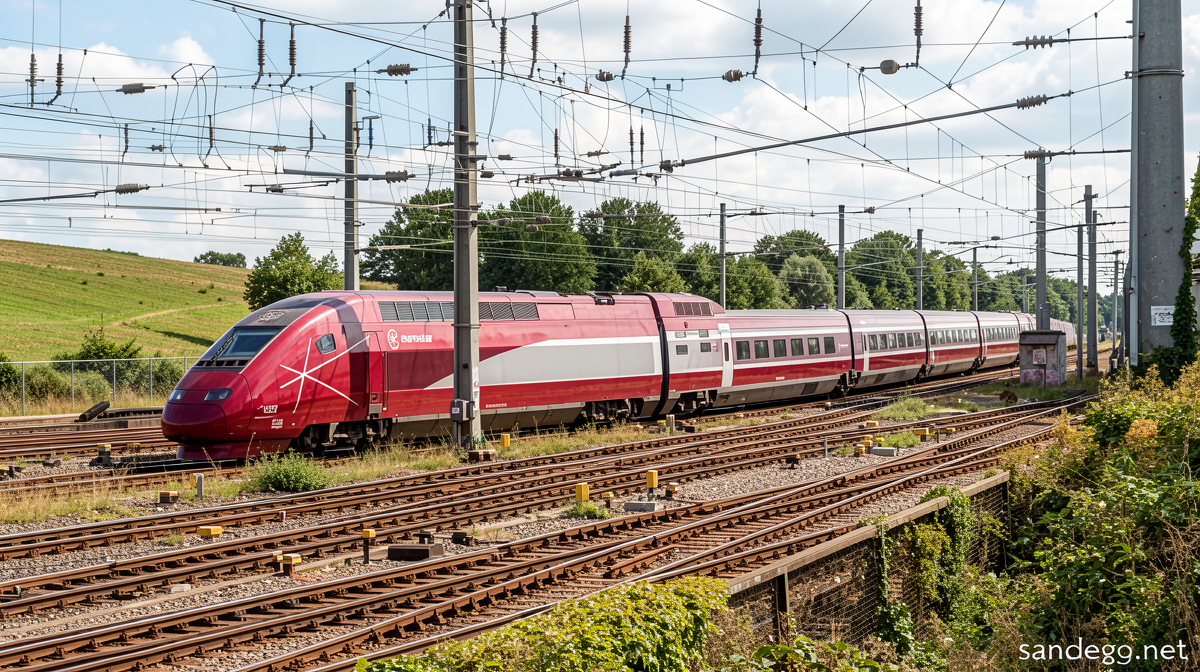
Sandego.net – The high-speed rail operator Eurostar has announced a significant upgrade to its new train specifications, requiring vehicles to endure sweltering temperatures reaching 55 degrees Celsius, equivalent to 131 degrees Fahrenheit. This decision comes as the company prepares for a dramatically transformed European climate landscape over the next several decades. The railway service connects major northern European urban centers, with London, Paris, and Brussels among its key destinations.
Initially, the company had placed orders for as many as 50 new trains designed to operate comfortably in temperatures up to 45 degrees Celsius, or 113 degrees Fahrenheit. However, increasingly intense heatwaves sweeping across what is now recognized as the world’s fastest-warming continent have forced a reconsideration of these original specifications. According to a company representative who provided a statement to CNN on Friday, Eurostar has instructed manufacturers to install air conditioning systems in the new fleet capable of functioning effectively in heat reaching 55 degrees Celsius.
A Major Investment in Climate Resilience
The new trains represent a substantial financial commitment, with a combined value of approximately €2 billion, or $2.3 billion. The spokesperson emphasized the long-term vision behind this investment, noting that these vehicles will begin operations in 2031 and continue serving passengers through the 2060s. This extended service life makes climate preparedness absolutely essential for the company’s future success.
“These trains will enter service in 2031 and run into the 2060s so it’s essential to be prepared for the future,” the spokesperson explained.
Meanwhile, Eurostar has already begun addressing immediate passenger concerns related to current extreme weather conditions. On Thursday, the company distributed an email to customers, providing the option to rebook Saturday trains to alternative dates without any additional charges. The message highlighted ongoing temperature challenges across multiple destinations.
“It is currently very hot in several of our destinations. And we know that these conditions can make your journey less comfortable than usual,” the company wrote in the customer communication, which was shared with CNN by an affected traveler.
The email also included practical advice for passengers who choose to maintain their original travel plans. Eurostar specifically recommended that customers “bring enough water to stay hydrated” during their journeys through the current heatwave period.
Broader Climate Implications for European Transport
In a separate interview with the Financial Times, Eurostar’s chief executive officer, Gwendoline Cazenave, revealed that the company is preparing for conditions previously associated with regions like Saudi Arabia. She described the current year’s heatwave as unprecedented in its timing and intensity, noting that it has arrived earlier, persisted longer, and reached higher temperatures than any previous occurrence.
“This year, the heatwave has been earlier, long, hotter than ever,” she told the publication.
Europe is currently experiencing another significant heatwave, arriving just days after record-breaking temperatures were recorded across France, Switzerland, Spain, and the United Kingdom during June. These extreme conditions have placed considerable strain on the continent’s transportation infrastructure. Some rail services have experienced delays or complete cancellations as rising temperatures threaten to warp metal tracks and disrupt normal operations.
The shift in how northern European societies view air conditioning represents another important dimension of this climate transformation. What was once considered an unnecessary luxury in homes and buildings across the region is now increasingly recognized as an essential necessity for comfort and health during increasingly frequent and intense heat events.
Eurostar’s decision to upgrade its train specifications demonstrates how major infrastructure investments must now account for long-term climate projections rather than historical weather patterns. The company’s proactive approach to this challenge may serve as a model for other transportation operators across Europe facing similar pressures from a warming continent.