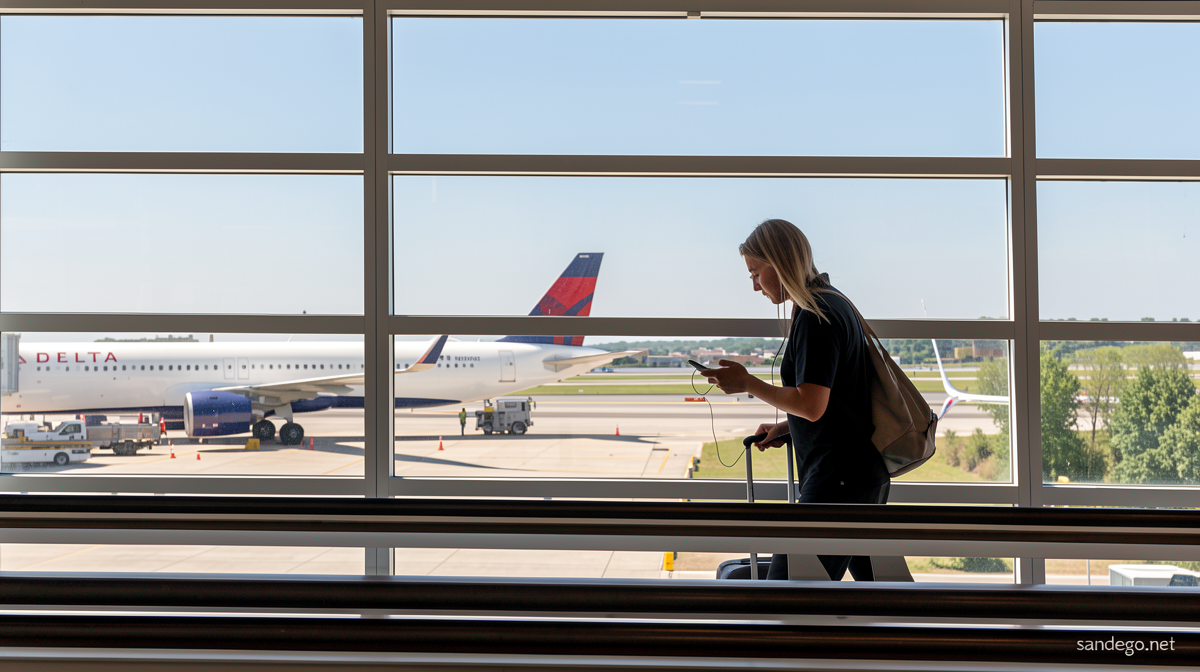
Delta Maintains High Airfares Despite Plummeting Jet Fuel Prices
Sandego.net – Passengers should not expect relief at the ticket counter anytime soon. Delta Air Lines announced on Friday that despite a dramatic decline in jet fuel expenses, airfare prices will remain elevated. The carrier’s second-quarter earnings disclosure revealed that multiple fare metrics have climbed between 11 and 12 percent, driven by robust consumer appetite for travel. Company executives expressed confidence that this pricing strength will endure.
Supply and Demand Keep Prices Elevated
Delta Chief Executive Ed Bastian emphasized that ticket pricing fundamentally reflects market dynamics. In a conversation with CNBC on Friday, he explained the situation clearly. The executive noted that passenger demand remains exceptionally strong, which supports continued pricing power for the airline industry.
“Airfares are a function of supply and demand,” Bastian told CNBC in an interview Friday. “The demand set is really strong.”
The fuel situation presents an interesting contrast. Throughout the quarter, Delta’s fuel costs surged 75 percent compared to the same period a year earlier. This dramatic increase stemmed largely from the ongoing conflict between the United States, Israel, and Iran, which triggered substantial oil price escalation. For airlines, fuel represents the second-highest operational expense, trailing only labor costs. This surge added approximately $1.9 billion to Delta’s adjusted fuel expenditure for the quarter.
Revenue Growth Offsets Fuel Concerns
However, the elevated fares generated significant financial benefits. Passenger revenue increased by $1.7 billion, contributing to an overall revenue growth of $3.1 billion for the period. While fuel prices are now declining rapidly, the impact on consumer ticket prices has been minimal. Delta projects that fuel costs in the current quarter will decrease by 20 percent compared to the adjusted fuel price paid during the second quarter. This projection reflects oil prices retreating toward pre-conflict levels.
Jet fuel spot prices have dropped 36 percent from their recent peak, yet this reduction has not translated into proportionally lower airfares for consumers. Bastian pointed out that when adjusted for inflation, fares across the industry remain below pre-pandemic levels. He suggested that passengers concerned about airfare costs might actually have greater worries about other products and services, which could explain why travel demand continues to remain robust.
Consumer Behavior and Premium Travel
Statistical data provides additional context for understanding fare trends. The Consumer Price Index indicates that airfares increased 27 percent in May compared to the previous year. However, when comparing to May 2019, the increase stands at only 17 percent. Meanwhile, overall inflation measured by the CPI has risen 31 percent since May 2019, suggesting that airfares have actually kept pace reasonably well with broader economic trends.
One factor supporting higher fares is increased travel demand from wealthier passengers. Delta reported that premium passenger revenue grew 17 percent during the quarter, while main cabin revenue increased by only 8 percent. Bastian characterized Delta’s core customer base as financially resilient, noting substantial wealth accumulation among these travelers. According to Delta’s internal surveys, travel ranks as a top priority for these consumers.
Earnings Performance and Future Outlook
The fuel price escalation did impact Delta’s profitability. Adjusted income declined by $358 million, representing a 26 percent decrease. Nevertheless, this performance exceeded Wall Street expectations. The airline maintains that strong fare levels should enable it to achieve the full-year earnings target established in January, prior to the conflict driving fuel prices upward.
Industry observers note that Delta’s strategy of maintaining higher fares while fuel costs decline demonstrates confidence in sustained consumer willingness to pay premium prices for air travel. This approach positions the carrier to potentially improve margins as fuel expenses continue their downward trajectory in coming quarters.