France and Morocco Set Stage for Dramatic World Cup Quarterfinal Showdown
Sandego.net – For those of us accustomed to daily soccer entertainment, yesterday’s television schedule felt noticeably empty. Nearly a month of continuous World Cup coverage had become our routine, making the absence of live matches particularly jarring. Fortunately, the tournament resumes today with an eagerly anticipated quarterfinal contest pitting France against Morocco in Foxborough.
This matchup promises to deliver exceptional drama, fueled by a rivalry that runs deep within both nations. Beyond the immediate contest, today’s coverage will explore everything from Justin Bieber’s latest developments to the ongoing Golden Boot competition and the controversy surrounding tournament officiating.
A Test of Character for the Atlas Lions
While Morocco enters this fixture as the underdog, dismissing their chances would be premature. An upset victory would certainly generate headlines, yet it would hardly represent the most shocking outcome of this tournament—a testament to the remarkable progress the Atlas Lions have achieved over recent years.
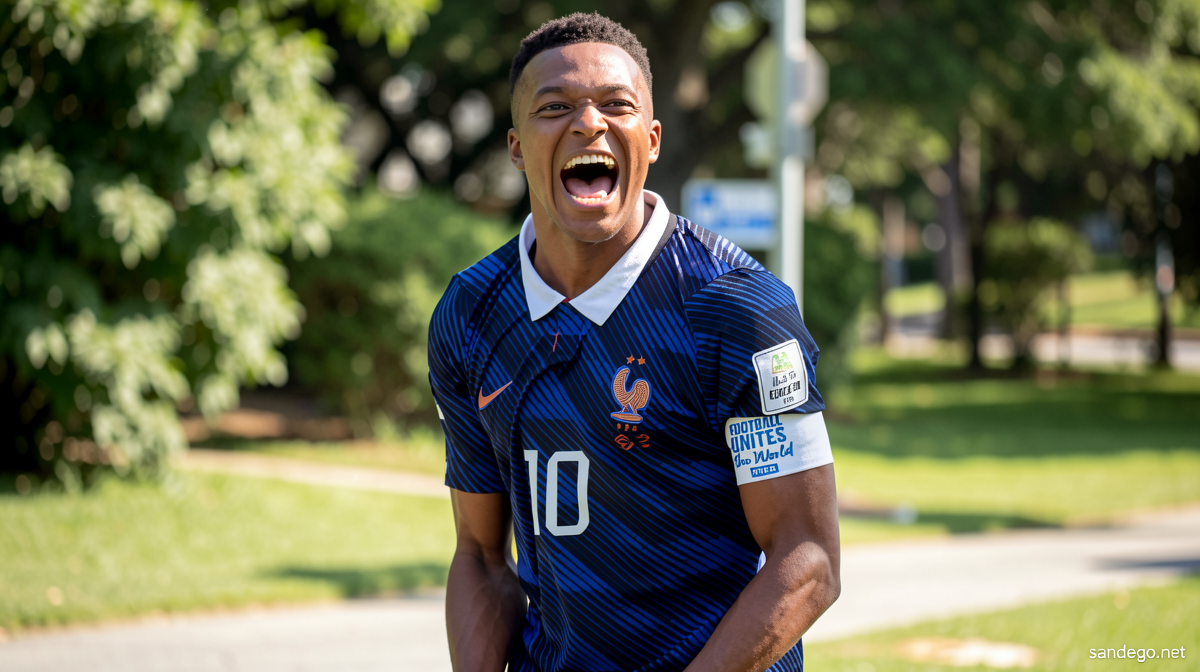
France remains the tournament favorite, boasting an impressive roster of world-class talent and pursuing its third consecutive final appearance. However, I believe Morocco presents Les Bleus with their most demanding challenge thus far in this competition.
The Moroccans carry additional motivation following France’s 2-0 semifinal victory that ended their fairy-tale campaign at the previous World Cup in Qatar. Yet Morocco has evolved beyond a team merely pleased with reaching the latter stages of major competitions. This squad genuinely believes in its potential to triumph this summer.
“I don’t like this feeling where we can say what we’ve done up until now is great and rest is bonus,” Morocco manager Mohamed Ouahbi declared before the match. “No, the only bonus is to win the World Cup.”
The Atlas Lions have demonstrated considerable resilience during the knockout phase, overcoming the Netherlands through penalty kicks and defeating Canada 3-0 in the Round of 16 despite not performing at their peak. Securing victory against France will demand sustained excellence across the full ninety minutes or beyond—a challenge the team has occasionally struggled with throughout this tournament.
France’s Steady Progression
Meanwhile, France has navigated this summer’s campaign with relative ease. The team advanced smoothly through group play, delivered a commanding performance against Sweden in the Round of 32, and demonstrated versatility by securing a narrow 1-0 victory over Paraguay in the last sixteen.
Manager Didier Deschamps refuses to become complacent, fully recognizing Morocco’s threat on the counterattack. “We met them four years ago in the semifinal,” Deschamps noted. “They also played in the African final. It is a really great, excellent team with top-notch individuals. They’re not here to play. They’re there to win. We have to be ready.”
Beyond the sporting dimensions, this encounter carries cultural significance. France’s colonial history in North Africa has created a substantial Moroccan diaspora across Europe. Consequently, the majority of Morocco’s squad comprises players born outside their represented nation. Six French-born athletes could feature for Morocco today, each choosing to honor their heritage.
Cynics occasionally propose that certain players selected Morocco over nations like France or Spain due to insufficient quality for those teams. Though often baseless, this narrative adds another layer to the anticipated rivalry.
Refereeing Controversy Takes Center Stage
Off the pitch, officiating decisions have sparked considerable debate. FIFA Chief Refereeing Officer Pierluigi Collina has addressed mounting accusations regarding tournament refereeing. Yesterday, Egypt contended that its match against Argentina was manipulated to facilitate Lionel Messi and his teammates’ advancement to the quarterfinals, following several questionable VAR interventions.
Donald Trump also contributed to the discussion earlier this week, describing the official who issued a red card to American striker Folarin Balogun as “suspect.” Collina, widely regarded as soccer’s most celebrated referee, has stepped forward to defend his officials.
“We are not influenced by anyone,” Collina stated firmly amid the controversy.
As the tournament progresses, these officiating questions continue to generate conversation, potentially influencing outcomes in critical matches. The France-Morocco encounter in Foxborough promises to be another focal point for both sporting excellence and the ongoing refereeing discussion.