Cyclospora Outbreak Spreads Across Multiple States: What You Need to Know
Sandego.net – Summer typically brings fresh berries and crisp salads to tables, but this season an outbreak of diarrhea caused by the cyclospora parasite has affected thousands. Michigan stands as the epicenter with more than 1,200 confirmed cases, while Ohio reports nearly 200 additional infections. Other states including New York, Illinois, Indiana, North Carolina, and Texas are also experiencing rising numbers. Healthcare officials have documented over 40 hospitalizations linked to this widespread illness.
Symptoms and Duration
While cyclospora rarely proves fatal, the experience can be quite uncomfortable. Affected individuals typically develop watery diarrhea, abdominal cramping, bloating, and dehydration. Dr. Caitlin Rivers from Johns Hopkins University explains the extended nature of this illness compared to common stomach bugs.
“If you get norovirus or something, you might have a rough 24 or 48 hours, but people with this parasite can be sick for weeks or sometimes even months with a sort of relapsing pattern, and so that can really wear down your body,” said Dr. Caitlin Rivers, an associate professor at Johns Hopkins University.
This relapsing pattern distinguishes cyclospora from many other gastrointestinal illnesses. People may experience periods of improvement followed by symptom returns, making it difficult to determine when full recovery has occurred. The prolonged nature of the infection means sufferers often need to adjust their daily routines for several weeks or potentially months.
Transmission and Environmental Resistance
Unlike many contagious diseases, cyclospora does not spread directly from person to person. Instead, infections originate from contaminated food or water sources consumed weeks before symptoms appear. Fresh produce represents a primary vehicle for transmission, though contaminated pool water has also been identified as a potential source.
The parasite demonstrates remarkable resilience in various environments. It resists standard concentrations of bleach and chlorine, allowing it to survive in swimming pools, lakes, and rivers. This environmental resistance means that even properly treated recreational water bodies can harbor the organism. Health officials recommend avoiding public swimming if local outbreaks are confirmed.
Prevention Strategies
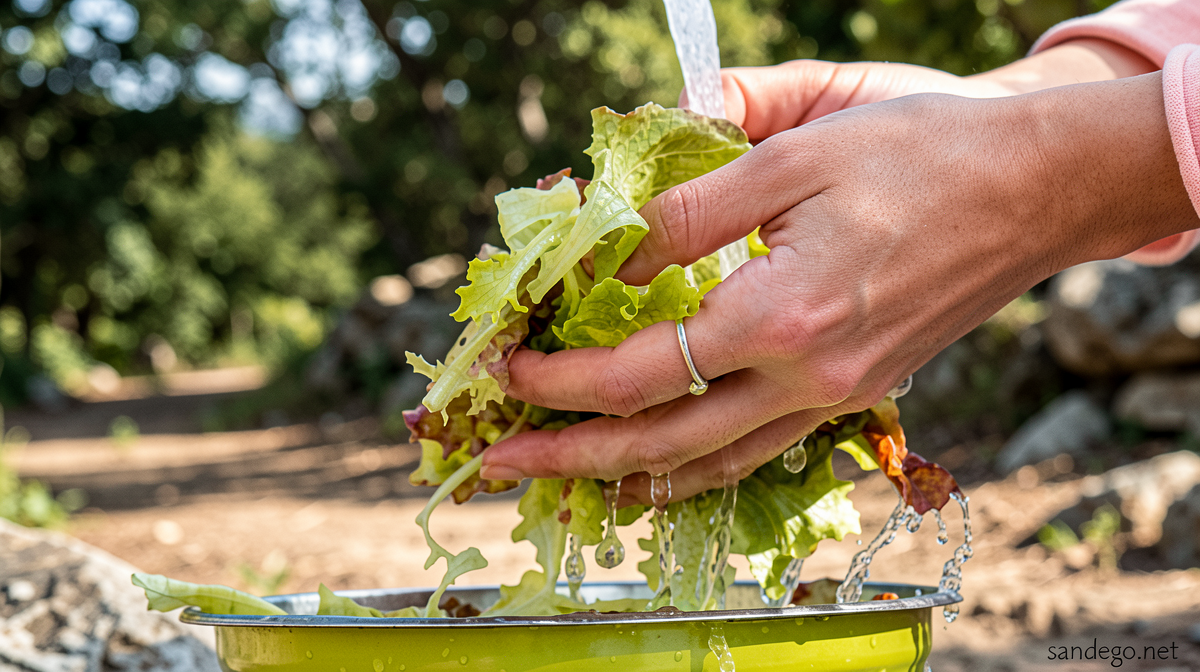
Effective prevention requires attention to both cooking and washing procedures. Cooking food to an internal temperature of 158 degrees Fahrenheit or higher effectively kills the parasite. Using a food thermometer ensures proper temperature achievement. For raw produce, thorough washing involves immersing and swishing items for at least one minute in clean water. A salad spinner proves particularly effective for this process.
Additional prevention methods include using a vinegar and water solution at a one-to-three ratio, which helps remove the parasite from produce surfaces. Removing outer lettuce leaves before consumption reduces exposure risk. Firm fruits and vegetables should be scrubbed thoroughly. Individuals in vulnerable groups should consider avoiding raw foods that have been involved in previous outbreaks.
Diagnosis and Treatment
Medical consultation becomes advisable when diarrhea persists beyond 48 hours. Dr. Rebecca Schein from Michigan State University provides guidance on when testing makes sense.
“If it’s been more than 48 hours, it’s reasonable to test for it,” said Dr. Rebecca Schein, an infectious disease specialist at Michigan State University.
Standard diagnostic tests may fail to detect cyclospora, requiring special ordering from laboratories. The parasite sheds intermittently, meaning multiple test samples might be necessary for accurate diagnosis. When confirmed, treatment typically involves a seven-to-ten-day course of sulfamethoxazole-trimethoprim, commonly known as Bactrim. This antibiotic effectively eliminates the parasite when administered properly.