
F15 Fighter Jet Mystery: Unraveling the Latest Developments
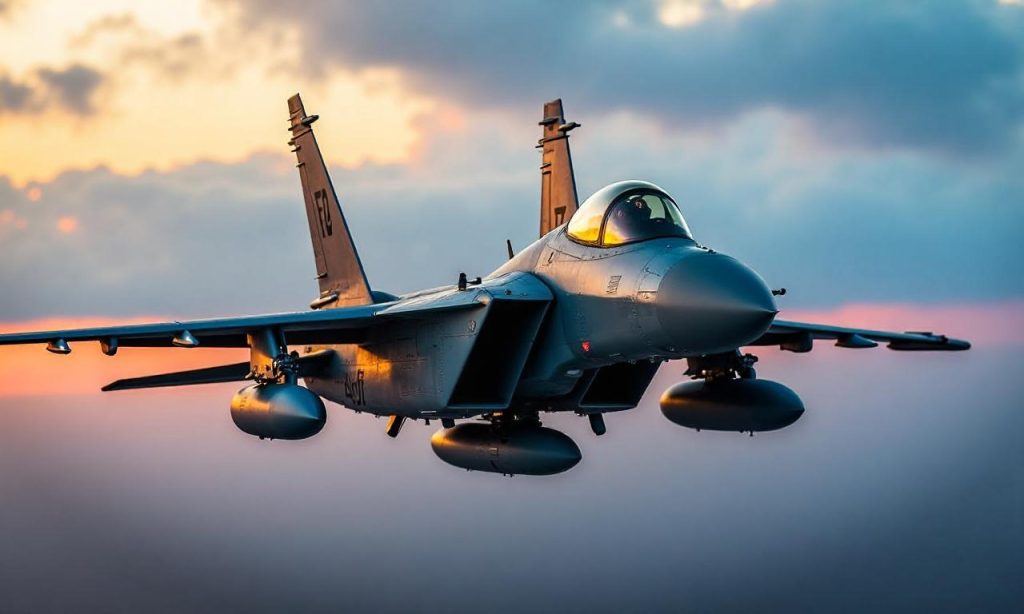
The F15 Fighter Jet Mystery: Unraveling the Latest Developments
The F15 fighter jet, a staple of air forces worldwide since the 1970s, has remained a subject of fascination and speculation in recent years. Despite its age, the F15 continues to evolve, with ongoing upgrades and unexpected incidents sparking debates about its capabilities, reliability, and future relevance. This article explores the F15 mystery, focusing on its historical significance, recent technological advancements, and the latest developments that have rekindled global interest in this iconic aircraft.
The Evolution of the F15: From a Cold War Icon to a Modern Marvel
When the F15 was first introduced, it was hailed as a revolutionary design, capable of outperforming Soviet aircraft during the Cold War. Its superior speed, maneuverability, and long-range capabilities made it a symbol of American military dominance. Over the decades, the F15 has undergone multiple iterations, such as the F15E Strike Eagle and F15QA advanced trainer variants, to adapt to changing battlefield demands. However, the F15’s continued service in modern conflicts, including its recent performance in Middle Eastern air campaigns, has raised questions about whether its legacy is still relevant or if it’s simply a testament to its enduring design.
Recent Incidents: A Spark for Global Interest
In 2023, a F15 jet operated by the United Arab Emirates Air Force (UAE) encountered an unusual malfunction during a high-speed intercept mission, leading to speculation about its aging systems. While the incident was attributed to a software glitch, it highlighted the challenges of maintaining such a large fleet of aircraft without modernization. This event coincided with similar reports from the Israeli Air Force, where a F15 successfully engaged and destroyed a target in a test flight, showcasing its adaptability. These stories have fueled discussions about the F15’s reliability and the potential for retrofitting older models to meet contemporary threats.
Technological Upgrades: Keeping the F15 Relevant
To address concerns about obsolescence, several nations have invested in upgrading their F15 fleets. The F15 Modernization Program (FMP), launched by the U.S. Air Force, aims to integrate advanced avionics, radar systems, and weapons into existing F15 platforms. Notably, the F15 is being retrofitted with the APG-82 radar and AIM-120 AMRAAM missiles, enhancing its ability to detect and engage targets at long ranges. These upgrades, combined with software enhancements like the new F15 Mission Computer, have redefined the aircraft’s role in modern warfare. Experts argue that the F15’s flexibility and cost-effectiveness make it a viable option for countries seeking a balance between performance and budget constraints.
Strategic Implications: Why the F15 Still Matters
The F15 remains a cornerstone of air superiority strategies due to its versatility and proven track record. Unlike newer fighters like the F35 or F22, the F15 offers a cost-effective solution for nations that need a robust, multi-role aircraft without the high price tag. Its ability to carry both air-to-air and air-to-ground weapons makes it suitable for a wide range of missions, from escort duties to precision strikes. Additionally, the F15’s ease of maintenance and long operational history have made it a preferred choice for countries with limited resources. These factors suggest that the F15 will continue to play a critical role in global military operations for years to come.
The F15 Mystery: Uncovering Hidden Capabilities
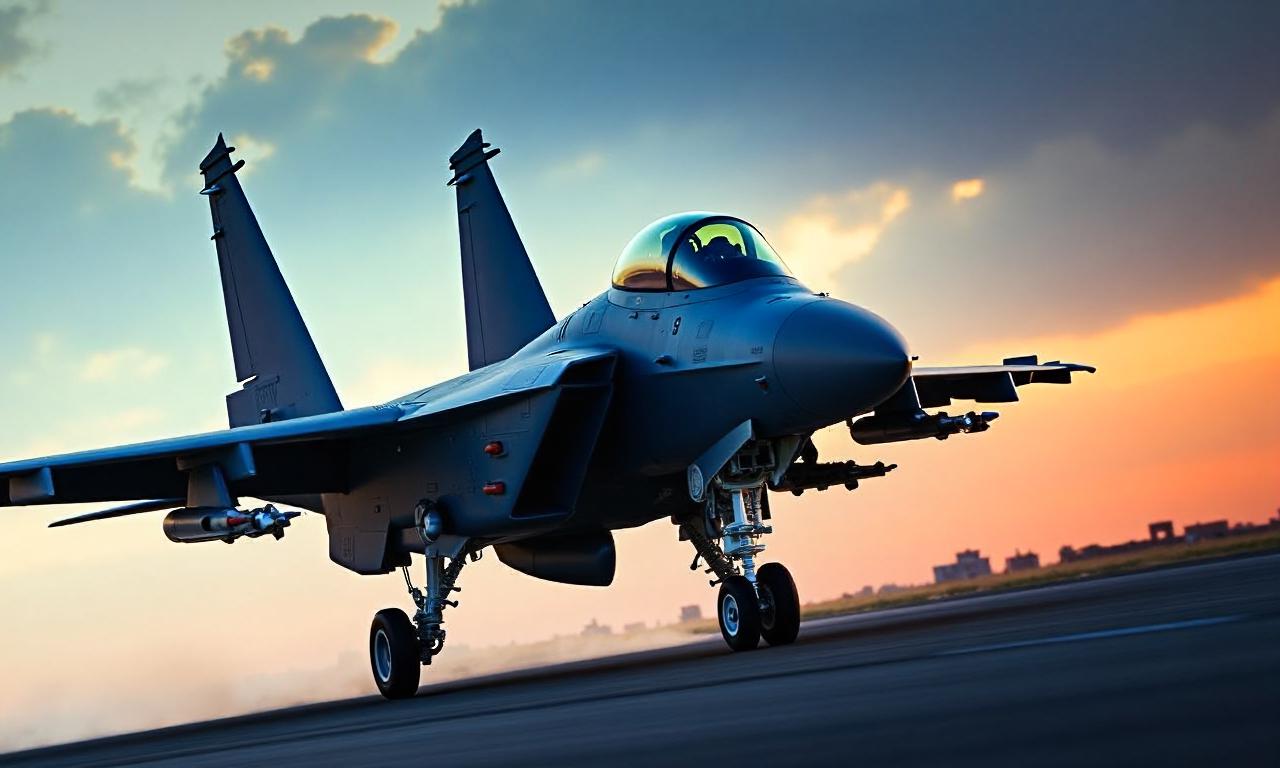
Beyond its visible upgrades, the F15 has been the subject of rumors about advanced stealth technology and AI integration. Some analysts claim that the F15 is being modified with stealth features to compete with fifth-generation fighters like the F22 Raptor. Others speculate that the F15 could be equipped with AI-driven targeting systems to enhance its combat effectiveness. While these theories remain unconfirmed, the U.S. Air Force has hinted at developing a new variant of the F15 called the F15 Silent Eagle, which reportedly includes radar-absorbing materials and digital fly-by-wire systems. These developments suggest that the F15 is not just a relic of the past but a platform that can evolve to meet future challenges.
The Future of the F15: A Legacy in the Making
With over 1,000 F15 jets in service globally, the question remains: how long will this aircraft remain a key player? The U.S. Air Force has stated that it plans to operate the F15 until at least the 2040s, relying on continuous upgrades to extend its service life. Meanwhile, countries like Saudi Arabia, South Korea, and Japan are also investing in modernizing their F15 fleets to enhance air defense capabilities. This widespread adoption underscores the F15’s enduring appeal and its ability to adapt to technological advancements. As new threats emerge, the F15’s ability to integrate with modern systems will determine its place in the next generation of aerial warfare.
FAQ Q: What are the key upgrades in the latest F15 models? A: Recent upgrades include advanced radar systems, improved weapons, and software enhancements, making the F15 more versatile and effective in modern combat scenarios.
Q: Has the F15 been involved in any recent notable incidents? A: Yes, a F15 operated by the UAE and Israel experienced malfunctions in 2023, but these were attributed to technical glitches rather than inherent flaws.
Q: Is the F15 being modified for stealth capabilities? A: Rumors suggest the F15 could be retrofitted with stealth features, including radar-absorbing materials, to compete with fifth-generation fighters.
Q: How does the F15 compare to newer fighter jets like the F35? A: While the F35 offers superior stealth and technology, the F15 remains a cost-effective, multi-role aircraft with proven performance in diverse missions.
Q: What is the expected service life of the F15? A: The U.S. Air Force plans to operate the F15 until the 2040s through ongoing modernization efforts.
