Judge Quashes Justice Department Subpoena for 2020 Georgia Election Workers
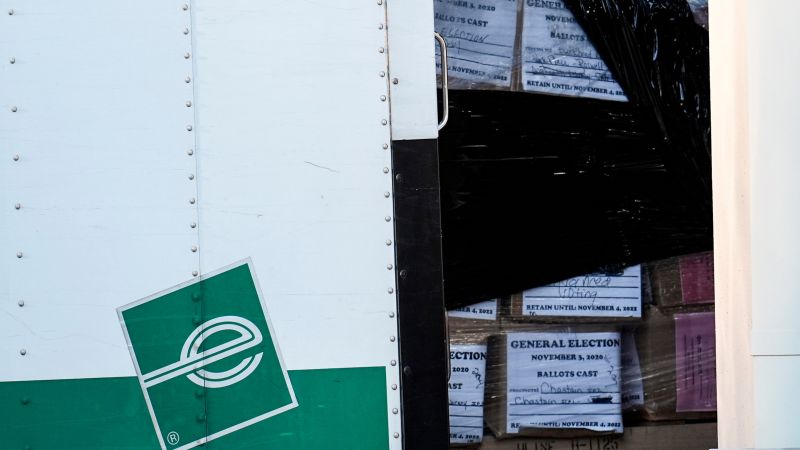
Sandego.net – Following a significant legal development, a federal judge has quashed the Justice Department’s subpoena targeting 2020 election workers in Georgia. The ruling, issued by U.S. District Judge William Ray, effectively halts the Justice Department’s attempt to compel testimony from these individuals as part of an investigation into the Atlanta-area election. The decision marks a pivotal moment in the ongoing scrutiny of the 2020 results, with the judge citing the subpoena’s broad scope and the statute of limitations as key factors in its rejection.
Reasons for the Subpoena’s Rejection
The judge’s ruling emphasized that the Justice Department’s subpoena was overly expansive, covering a wide range of activities without sufficient justification. Ray stated that the time elapsed since the election had rendered the subpoena’s use of federal power questionable, particularly in light of the legal timeframe for prosecuting election-related offenses. “The DOJ’s need to enforce this subpoena does not outweigh the burden on Fulton County,” the judge noted, highlighting the balance between investigative rigor and the rights of local officials.
DOJ’s Legal Strategy and Broader Implications
The Justice Department had previously argued that the subpoena was necessary to investigate potential ballot mishandling in Georgia. During prior hearings, prosecutors claimed the county may have failed to preserve ballot images for the required period and that some ballots retrieved via a search warrant appeared suspicious. However, the judge ruled that these allegations, while central to the inquiry, did not justify the extensive subpoena power being used. The ruling opens the door for further legal challenges to the DOJ’s approach, as the department shifts focus to other methods of gathering evidence.
“No evidence has been presented to the Court that the actual Grand Jury in the Northern District of Georgia seeks this information, as opposed to the out-of-district prosecutors who the DOJ has appointed to lead this inquiry, who have served this Subpoena in the name of the Grand Jury.”
This quote underscores the judge’s skepticism toward the DOJ’s authority to conduct such an expansive investigation without direct involvement from the local Grand Jury, suggesting a potential misstep in the department’s strategy.
Undeterred by the subpoena’s rejection, the Justice Department has intensified its efforts to shape election administration through other means. A recent letter from the Civil Rights Division, obtained by CNN, warned state officials about the criminal risks of sending mail ballots to non-citizens. The document was sent to multiple states, including Arizona, Minnesota, and Michigan, where officials confirmed it reached at least three cities—Lansing, East Lansing, and Detroit. This move signals the DOJ’s intent to maintain pressure on election processes even as legal battles continue.
“Any election officer, including the chief election officer of the state, who knowingly retains noncitizens on the state’s [voter rolls] or facilitates noncitizens in receiving and casting ballots could be subject to criminal liability.”
The letter reinforces the DOJ’s dual strategy of using civil tools like subpoenas and legal warnings to ensure compliance with federal standards. While local officials in Michigan have pledged to cooperate with lawful requests, they remain cautious about the implications of federal oversight on their autonomy and the public’s trust in the electoral process.
As the legal landscape shifts, the focus on quashing the Justice Department subpoena has sparked broader discussions about the role of federal agencies in state elections. Critics argue that the DOJ’s aggressive tactics may risk undermining local election integrity, while supporters maintain that federal scrutiny is essential to uphold election laws. The outcome of this case will likely influence future investigations and set a precedent for how legal authority is applied in electoral matters.