Australian PM Albanese Apologizes for Disrespectful Remarks on Kylie Minogue
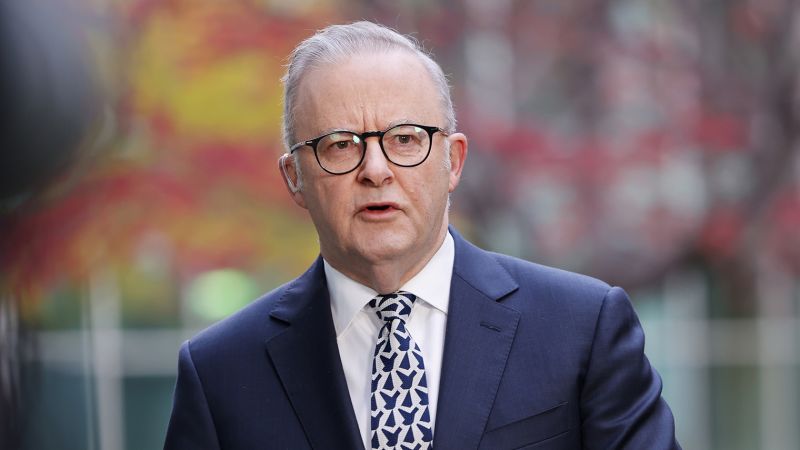
Sandego.net – Australian Prime Minister Anthony Albanese offered a public apology for his ‘disrespectful’ remarks on pop icon Kylie Minogue, following a heated reaction from critics. The incident occurred during an interview on the “Bush Deep” podcast, where Albanese’s comments about the singer sparked widespread debate. The PM’s choice of words, which some interpreted as objectifying, led to calls for accountability from political figures and media commentators alike.
The Controversy Unfolds
During the interview with comedian Nikki Osborne, Albanese was asked to choose between Kylie Minogue, Nicole Kidman, and Rhonda Burchmore for a romantic relationship. His response, delivered with a mix of humor and familiarity, emphasized his admiration for Minogue. “Kylie, clearly,” he said, setting the stage for a more personal discussion. Osborne then questioned whether Albanese would engage in a relationship with the singer, prompting him to confirm his choice. The lighthearted exchange quickly turned into a public spectacle, with some accusing the PM of undermining women’s respect.
Albanese’s Response and Defense
Albanese’s office swiftly issued an apology, acknowledging the backlash and reiterating that the comments were intended to be playful. “I apologize unequivocally for the remarks,” the PM stated, highlighting his commitment to addressing the issue. Critics argued that his words could be seen as dismissive of Minogue’s public stature, while supporters defended his candor as a reflection of his relatable nature. The incident also brought attention to the balance between personal expression and political decorum, raising questions about how leaders should represent themselves in public.
“Anthony Albanese’s whisky-fuelled comments on the ‘Deep Bush’ podcast are disrespectful to women, embarrassing to Australians and demean the office of Prime Minister,” Senator Sarah Henderson of the opposition Liberal party wrote on X. Her critique underscored the growing pressure on Albanese to align his personal remarks with the expectations of his role. The debate over the PM’s choice of words has since intensified, with analysts weighing the impact of such statements on public perception.
The Role of Media and Public Discourse
Albanese’s remarks extended beyond the personal, touching on his marital life. When asked if he and his wife, Jodie Haydon, were still “bonking like rabbits,” the PM humorously linked intimacy to his passion for the South Sydney Rabbitohs rugby team. “After the footy. After the footy. It’s always a good aphrodisiac, a Souths win,” he said, illustrating his ability to blend personal anecdotes with political charm. The interview, however, became a focal point for discussions on how leaders navigate the fine line between authenticity and respect.
Despite the apology, the episode has amplified conversations about the weight of public figures’ words. Social media users have dissected every phrase, with some praising Albanese’s approachability and others calling for stricter standards. The PM’s comments, though framed as lighthearted, have reignited debates about the cultural significance of icons like Kylie Minogue and the scrutiny they face. Her iconic 2000s-era gold hotpants, a symbol of pop culture influence, now serve as a backdrop to this modern controversy.
The incident has also highlighted the media’s role in shaping public opinion. While Osborne’s questions were designed to provoke engagement, they inadvertently led to a broader reflection on how leaders are judged. Albanese’s use of the term “disrespectful” in the apology has since become a central point of analysis, with some viewing it as a necessary correction and others as a concession to political pressure. As the conversation continues, the focus remains on the intersection of personal expression and professional responsibility in the Australian political landscape.