Super Typhoon Bavi Unleashes Catastrophic Force on U.S. Pacific Island Territories
Super typhoon smacks into US Pacific – On Monday morning, a formidable super typhoon made landfall across the U.S. Pacific Islands, marking the second major storm to strike the region in less than three months. The storm, classified as a Category 5 equivalent, brought winds surpassing 180 miles per hour, with sustained gusts projected to exceed 150 mph on Rota, a small island in the Northern Mariana Islands home to approximately 2,000 residents. The National Weather Service issued urgent warnings about the potential for severe damage, including structural collapse, downed power lines, and extended electricity outages, as the typhoon’s eye swept through the area.
Super Typhoon Bavi’s arrival coincided with a heightened state of preparedness for the U.S. military, which operates critical installations on Rota and nearby Guam. The island of Rota, located about 50 miles north of Guam, is a strategic hub for military operations. Its proximity to major bases underscores the vulnerability of the region to extreme weather events. As the storm intensified, military personnel stationed on Guam activated their highest level of emergency protocols, anticipating widespread destruction from the typhoon’s powerful winds.
Meanwhile, the effects of the earlier super typhoon, Sinlaku, were still being felt across the Northern Mariana Islands. Sinlaku, which had previously hit the area in April as a Category 4 storm, left a trail of devastation, including over 20 inches of rainfall in certain regions. This led to severe flooding, prolonged power outages, and extensive damage to homes and infrastructure on Saipan and Tinian. The typhoon’s slow movement exacerbated the situation, keeping heavy rains and winds over the islands for hours, rather than passing through quickly. Residents of Saipan and Tinian were now preparing for another round of intense weather, this time from Bavi, which was expected to pass through the region later in the day.
Historical and Strategic Context of Tinian’s Impact
Tinian, the island from which the B-29 bombers launched the atomic attacks on Hiroshima and Nagasaki during World War II, is now facing its second super typhoon of the year. The North Field airfield, once the busiest in the world, had been closed since the war but is currently undergoing a major revitalization to serve as an alternate base to Guam. This project aligns with U.S. military efforts to diversify its assets across the Pacific, ensuring operational resilience in the face of regional threats.
As the typhoon approached, the U.S. military on Guam shared updates on its readiness, emphasizing the need for preparedness. The island, home to more than 7,000 active-duty personnel, plays a pivotal role in U.S. strategic dominance in the Pacific. Its military installations, including Andersen Air Force Base, are central to projecting power across the region, with bombers such as B-1s, B-2s, and B-52s regularly rotating through the base. Additionally, US Naval Base Guam serves as the homeport for five attack submarines, highlighting its dual importance in air and naval operations.
The typhoon’s impact on Tinian extended beyond its immediate physical effects. The island’s historical significance as a wartime launching point added a layer of symbolism to the current crisis, as modern military assets face similar challenges from nature’s fury. The North Field, which was once a critical component of the Pacific War, now stands as a testament to the region’s enduring role in global defense. Its rehabilitation into a secondary base reflects the U.S. military’s ongoing commitment to maintaining strategic footholds in the Pacific, even as climate patterns increasingly test their capabilities.
Broader Implications for the Region
The consecutive super typhoons this year have raised concerns about the resilience of the Northern Mariana Islands and their ability to sustain military operations during extreme weather. With both Bavi and Sinlaku causing significant disruptions, the region is experiencing a unique convergence of natural disasters and strategic challenges. The National Weather Service highlighted that while Bavi’s winds were more severe than Sinlaku’s, the latter’s prolonged presence had already weakened infrastructure, making the current storm’s impact potentially more damaging.
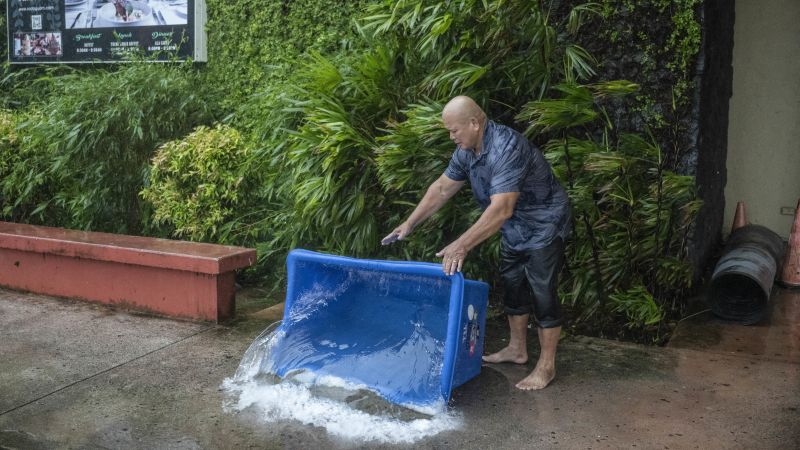
Residents of Saipan and Tinian, still recovering from Sinlaku’s April onslaught, faced the daunting task of bracing for another storm. The island of Saipan, which sustained Category 1 winds exceeding 74 mph during the earlier typhoon, remains a focal point for military and civilian preparedness. Parts of the island and Tinian are still without power, with recovery efforts ongoing in the wake of the April storm’s aftermath. The dual threats of hurricane-force winds and torrential rain have forced communities to adapt rapidly, showcasing both the challenges and the ingenuity required to maintain operations in such a volatile environment.
The typhoon season’s intensity has also drawn attention to the broader implications for U.S. military logistics in the Pacific. The Northern Mariana Islands, though small in population, serve as a vital link in the region’s defense network. Their strategic location near Guam and other key bases means that any disruption to their infrastructure can have cascading effects on military readiness. The current situation highlights the need for investments in disaster resilience, ensuring that these islands can continue to support U.S. operations even in the face of escalating climate-related threats.
As Super Typhoon Bavi moves westward at a steady pace, officials are closely monitoring its path and potential for further damage. The typhoon’s trajectory suggests it will soon exit the Marianas, but its residual effects could linger for days. This scenario underscores the complex interplay between natural disasters and military operations, as the U.S. seeks to balance immediate survival efforts with long-term strategic goals. The Northern Mariana Islands, once a symbol of historical military might, now find themselves at the forefront of a new era of climate-driven challenges in the Pacific.
Authorities have urged residents to remain vigilant, with emergency shelters and supply chains being critical for survival. The storm’s power is not just a meteorological phenomenon but a test of the region’s preparedness for both natural and human-made threats. As the typhoon passes, the focus will shift to assessing damage and beginning recovery efforts, a process that will be essential for maintaining the islands’ role in the U.S. military’s Pacific strategy.