What the Guadalupe River Left Behind
The Flood That Changed Everything
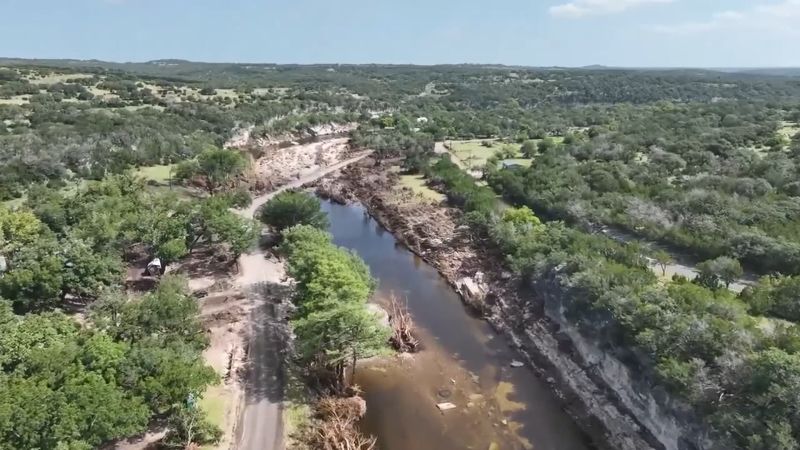
What the Guadalupe River left behind – Last summer, the Guadalupe River unleashed a torrent of destruction across the Texas Hill Country. On July Fourth, Elida Sierra Lutz and her three children found themselves battling for survival as the waters rose rapidly, swallowing everything in their path. The family had been camping in the area when days of relentless rain, falling overnight on parched soil, transformed the river into a raging force. Within 45 minutes, the water level surged from roughly 3 feet to 30 feet, leaving behind a trail of chaos. By the time rescuers arrived, Elida’s 18-year-old son had lost his prized black zippered hoodie, along with his wallet, glasses, and cell phone. Her daughter’s Nintendo devices, lifejacket, and white Crocs—each adorned with carefully chosen charms—were also gone. Even their travel trailer was swept away, leaving the family to grapple with the reality of what had been lost.
A Camp’s Legacy Washed Away
About 10 miles away at Heart O’ the Hills, a cherished summer camp along the Guadalupe River, the flood’s impact was equally profound. Program director Bailey McEachern returned from a scheduled break between sessions to a scene of devastation. The waters had claimed the camp’s beloved director and co-owner, whose death left the community in shock. Beyond the human toll, the flood had erased decades of history. Cabin signs, 1950s-era sterling-silver necklaces with thunderbird and crossed-arrow pendants worn by each sisterhood’s Firelighter leader, and a sacred trophy known as *The Cup* were all gone. The items symbolized the camp’s enduring values—courage, trust, faith—etched into the crown molding of Director Jane Ragsdale’s office. These slats, now scattered across the landscape, spelled out the camp’s Eight Traits, a legacy that the flood had cruelly dismantled.
The Weight of Loss and Resilience
For the survivors, the flood was a reminder of both the fragility of life and the irreplaceable nature of personal belongings. Though the water had taken their camping gear, the travel trailer, and the memories of those lost, they were relieved to be alive. Yet, the loss of their possessions lingered. Where had they landed? Would they ever be found? Would they return to their owners? While many items could be replaced, these objects were more than just material things—they were fragments of identity, symbols of the family’s struggle to survive. The emotional toll was immense, and the question of what to do with the scattered remnants of their lives became a new challenge.
An Unlikely Mission to Recover Lost Treasures
As the waters receded, a new phase of recovery began. Dondi Voigt Persyn, a mother of three and grandmother of four from Boerne, Texas—situated on a hill above the Guadalupe River, about 35 miles from the disaster zone—volunteered to help. With a background in pathology and a passion for perfumes, Dondi never imagined her efforts would become a significant endeavor. On the first day of cleanup, she discovered a mix of items: necklaces, a child’s photograph, clothing, and a bag of belongings. Each object held a story, and Dondi knew the survivors would need more than chance to reclaim them. She turned to her best friend, DeAnna, a digital sleuth, to assist in the search. Together, they launched *FOUND on the Guadalupe River*, a Facebook group where people could share lost and found items, creating a network of hope and connection.
The Power of Community in the Aftermath
The group quickly became a lifeline for those affected. In the early days, posts flooded the page, featuring everything from wallets and textiles to sports equipment and ceremonial flags. Each item was a reminder of what had been taken, and each post carried a mix of determination and vulnerability. Strangers began collaborating in the comments, offering leads and sharing memories, turning the digital space into a hub of recovery. Dondi and DeAnna worked tirelessly, sorting through the debris and matching objects to their owners. The process was painstaking, but the community’s support made it possible.
A First Success That Sparked Hope
One of the group’s earliest victories came on July 7, when Dondi shared a post about five mixed-metal necklaces found tangled in the mud. Within hours, a message arrived: “Oh my goodness, those are mine,” wrote Patty Hyatt, a retired schoolteacher. Patty had barely escaped her trailer before the floodwaters swept away everything she owned, including the necklaces. By dinnertime, she knew they would be returned. The reunion was a small but powerful moment, proving that even in the wake of devastation, the human spirit could endure.
A Journey of Reconnection
The success of the group inspired others to join the effort. Soon, *FOUND on the Guadalupe River* became more than a forum—it was a movement. People from all over Central Texas contributed, sharing photos of items they had recovered and posting appeals for missing belongings. The camp’s historical artifacts, like the 1950s necklaces, were particularly significant, and their return symbolized a step toward healing. For many, the search for their lost items was not just about material recovery but about reclaiming a sense of normalcy.
The Unseen Stories in the Debris
As the weeks passed, the group’s efforts uncovered more than just physical objects. Each item brought back memories of the lives it had touched. A child’s toy, a family quilt, or a set of crocs could evoke laughter, comfort, or even tears. Dondi reflected on the emotional weight of the work, knowing that every object returned was a piece of someone’s story. “They’re gonna want their things,” she thought, “like I would want my things.” The flood had taken so much, but through collaboration and shared determination, the community was slowly rebuilding.
A Legacy That Endures
Though the Guadalupe River had left behind a trail of loss, it also sparked a powerful reminder of resilience. The story of *FOUND on the Guadalupe River* became one of unity, proving that even in the face of nature’s fury, people could come together to restore what had been stolen. For Elida and her family, the recovery of their belongings was a bittersweet triumph. For the camp, the return of its symbols meant the preservation of its legacy. And for Dondi, it was more than a project—it was a calling. The river had taken everything, but the survivors had found a way to reclaim it, one item at a time.