Founder of One of China’s Biggest Underground Churches Reunites with Family in U.S.
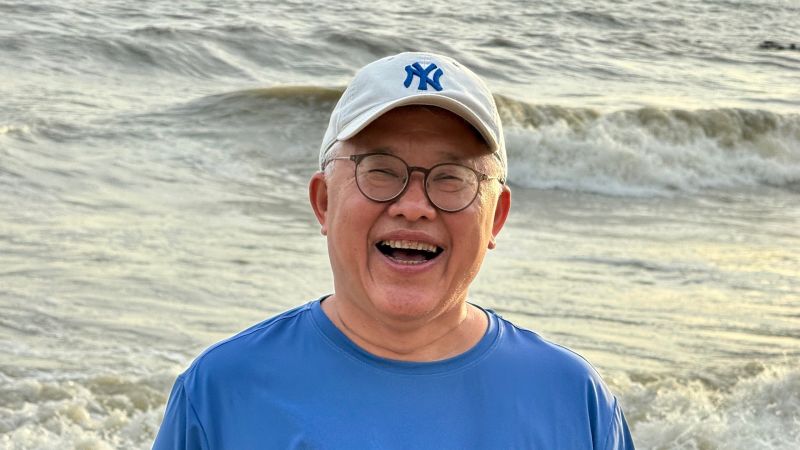
Sandego.net – After nearly a year of imprisonment, Ezra Jin, the founder of one of China’s biggest underground churches, has been released and is now reunited with his family in the United States. His daughter, Grace Jin Drexel, reported the news to CNN, expressing gratitude for the decision. The release followed a direct intervention by U.S. President Donald Trump during his visit to Beijing in May, when he engaged with Chinese leader Xi Jinping to address Jin’s case. This move has been described as a significant moment in the ongoing struggle for religious freedom in China.
Background on Jin’s Church and the Crackdown
Jin, a prominent figure in the underground Christian community, led the Zion Church, which has been a key player in China’s religious landscape. The church gained attention for its efforts to promote independent worship outside state-sanctioned structures. In late 2025, Chinese authorities intensified their crackdown on unregistered religious groups, viewing them as threats to ideological control. Jin was among dozens of members targeted during this operation, with his arrest marking a turning point for his congregation.
China’s government has long classified unregistered churches as potential risks to national stability. While state-sanctioned religious activities are permitted, they are closely monitored for compliance with official policies. Underground congregations, such as Jin’s, often operate in secrecy to avoid persecution. Jin’s arrest in November 2025 followed a series of raids on churches across the country, which saw many members detained on charges of “illegal” religious practices. His case became a symbol of the challenges faced by faith communities in China.
Family’s Gratitude and U.S.-China Diplomacy
Jin’s daughter, Grace Jin Drexel, shared the family’s relief at his return, calling it a “remarkable event” and expressing deep appreciation for the U.S. government’s role in securing his freedom. She emphasized that Trump’s intervention was pivotal, stating that the release “was made possible through the combined efforts of both leaders.” The family, who had moved to the U.S. to seek asylum, now hopes Jin’s freedom will inspire broader support for religious freedom in China.
Grace Jin Drexel noted that the U.S. Senate staffer, who has been in contact with the family, played a crucial part in raising awareness of Jin’s situation. This collaboration highlighted the growing diplomatic pressure on China to ease restrictions on religious groups. While Jin’s release has sparked optimism, it also underscores the complex relationship between the U.S. and China regarding human rights and religious autonomy.
International Response and Ongoing Struggles
Human rights organizations praised Jin’s release as a positive development, but also highlighted that the fight for religious freedom remains ongoing. Groups like ChinaAid and Freedom House expressed hope that this case would encourage further reforms in China’s treatment of religious minorities. However, they stressed that many other detainees, including members of Jin’s church, are still awaiting release.
Rev. Dr. Bob Fu, president of ChinaAid, described Jin’s freedom as “a major breakthrough” but warned that the battle for religious rights is far from over. “While this is a victory, it is important to remember that hundreds of others are still behind bars for peacefully practicing their faith,” Fu said in a statement. The release has also raised questions about whether the U.S. will continue to prioritize religious freedom in its engagement with China.
Legacy and Future Implications
Jin’s journey began in 2007 when he founded the Zion Church in Beijing, a hub for those seeking spiritual independence. Despite the risks, he remained committed to his congregation, even as the government’s pressure mounted. His return to the U.S. has provided a renewed sense of hope for his family and supporters. “This moment represents a shift in how China perceives its religious communities,” Drexel stated, highlighting the symbolic weight of the event.
While Jin’s release is a milestone, it also serves as a reminder of the challenges faced by underground churches in China. The government continues to regulate religious activities, with unregistered groups facing scrutiny and detention. However, Jin’s case has brought international attention to the issue, potentially influencing future policies and diplomatic strategies. His story underscores the resilience of faith communities and the power of global advocacy in shaping religious freedom outcomes.