Bodies Lie Unclaimed and Rats Run Rampant as Months on Gaza’s Ceasefire Remains Unfulfilled
Hope Fades in the Shadow of the Ceasefire
Sandego.net – In the heart of central Gaza, a 14-year-old named Karam once dreamed of becoming a footballer, playing with friends on dusty streets. Now, his aspirations are overshadowed by the lingering echoes of war. Displaced with his two brothers and sister, Karam described life before the conflict as “beautiful,” while the present is a stark reminder of its devastation. “There is no actual ceasefire here,” he told CNN, as the landscape of Deir al-Balah has transformed into a mosaic of burned fields and ruined homes. The horizon, once a deep blue sea, now reflects the ash of destruction. Residents speak of a fragile peace that has yet to take root, leaving them in a perpetual state of uncertainty.
“You can be bombed anytime in any place,” said Sally Saleh, an aid worker displaced in Deir al-Balah. “The brutality of war has endured, even as diplomats promise otherwise.”
The Ceasefire Deal and Its Unmet Promises
Following the October 7, 2023 attacks in Israel, Israel and Hamas inked a two-phase agreement aimed at ending hostilities. The deal envisioned a gradual Israeli withdrawal, Hamas disarming, and the establishment of an international security force to stabilize the region. However, eight months later, progress remains elusive. The UN’s former official, Nikolay Mladenov, warned in May that the situation has become “a dangerous status quo,” with neither side fully adhering to the terms. Despite the US and Iran’s efforts to solidify the truce, many Gazans view the agreement as a hollow gesture, offering little respite from the ongoing conflict.
Key components of the deal—such as the deployment of an international force and the transfer of governance to a Palestinian technocrat committee—have not materialized. Israel has expanded its control beyond the previously agreed “yellow line,” continuing to target Hamas members. Meanwhile, Hamas has reorganized, refusing to disarm and maintaining its grip on the enclave. The ceasefire, once hailed as a breakthrough, now feels like a temporary truce, far from a lasting peace.
Human Toll and Escalating Health Crises
The human cost of the conflict persists. As of June 21, the Palestinian Ministry of Health reported at least 1,059 deaths and 3,429 injuries in Gaza since the ceasefire was signed on October 11. The toll has been particularly severe for children, with an average of one child killed each day in the region. An independent UN commission in June found evidence of genocide, citing deliberate attacks on Palestinian children as a critical factor. Israel dismissed the accusation as a “political blood libel disguised as a UN document,” but the reality of the situation remains grim for those on the ground.
“We have spoken to parents whose children have been bitten by rats, who are terrified that it will happen again,” said Saleh, head of emergency operations for the UK-based NGO Medical Aid for Palestinians (MAP).
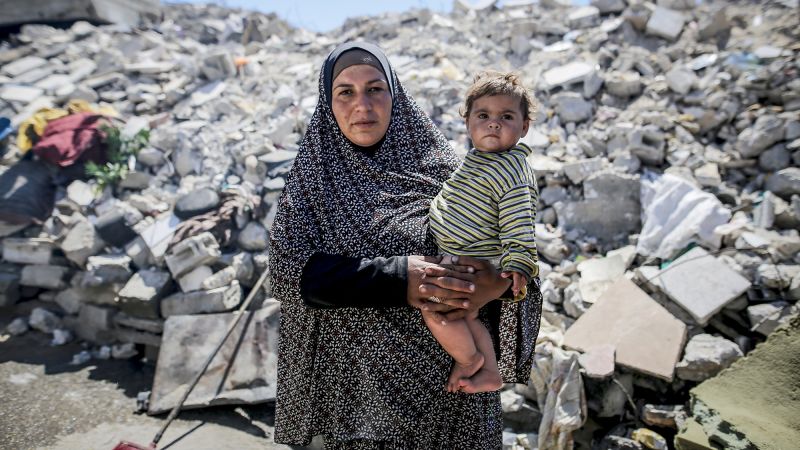
The absence of a stable ceasefire has created dire living conditions. Over 1.9 million people—nearly the entire population of Gaza—have been displaced, many multiple times. The UN has highlighted the growing health risks in these makeshift shelters, where unventilated tents trap heat and moisture. Ectoparasitic infections, caused by parasites burrowing into the skin, have spread across 80% of displacement areas, according to the UN’s May report. Rats, cockroaches, and weasels roam freely, gnawing through tent fabric and even biting children and newborns during the night. “They are directly attacking people,” Saleh explained, emphasizing the vulnerability of elderly and disabled residents, who struggle to evade these pests in the dark.
Aid Supplies Under Threat
The crisis extends beyond physical harm to the very basics of survival. With limited resources, residents have resorted to desperate measures. In some areas, latrines are in short supply, forcing families to dig cesspits that contaminate soil and water. The situation has worsened as the international force proposed in the ceasefire agreement has not arrived, leaving security gaps for both civilians and combatants. Rats have become a silent enemy, invading aid parcels and devouring food supplies like rice and flour. To prevent infestations, some families now hang containers from their tents’ ceilings, a small but significant adjustment to their daily lives.
Displacement and the Struggle for Stability
Displacement has compounded the challenges of survival. Many people live in overcrowded, poorly ventilated tents, with little access to clean water or sanitation. The prolonged crisis has also led to a growing sense of despair, as families remain in limbo without clear timelines for returning to their homes. “The inhumane consequences of long-term homelessness are becoming more severe,” noted the UN, which has documented the psychological and physical toll on displaced populations. Children, in particular, face heightened risks, from malnutrition to exposure to disease and trauma.
While diplomats in Cyprus celebrated “highly productive” meetings on the ceasefire plan, the reality on the ground tells a different story. The Board of Peace, established to advance the agreement, has yet to produce a concrete roadmap. Without a functional international force and a Palestinian technocrat committee, the fragile truce hangs by a thread. Residents continue to grapple with the daily realities of war, where the threat of violence is constant and the promise of peace feels distant.
Living in the Ashes
For many in Gaza, the ceasefire is more of a temporary reprieve than a permanent solution. The devastation of infrastructure and the ongoing conflict have created a landscape where hope is hard to find. “Life before the war was beautiful,” Karam recalled, but now, the dream of a normal life seems out of reach. The once-vibrant community is now a patchwork of ruins, where the cries of children and the creak of tents echo the struggle for survival. As the months pass, the situation deteriorates, with each day bringing new challenges and uncertainties. The words of diplomats may offer comfort, but for those displaced and weary, the truth remains stark: the ceasefire is not fulfilling its promises, and the road to peace is still long and uncertain.
Meanwhile, the international community watches as the agreement faces repeated setbacks. The US and Iran have worked to transition the truce into a long-term peace, yet the ground conditions in Gaza remain unchanged. The lack of progress has led to growing frustration among residents, who see the deal as another missed opportunity. The UN’s warnings about disease spread and the plight of displaced families underscore the need for urgent action. Without a renewed commitment to the ceasefire’s goals, the people of Gaza may continue to live in the ashes of their former lives, their hopes as fragile as the tents they call home.