Food Safety in the Heat of Summer
Why people should be vigilant about – As summer intensifies with unprecedented heatwaves gripping regions across the globe, the risk of foodborne illnesses rises, prompting experts to emphasize the need for heightened caution during festive gatherings. The Fourth of July, a time for outdoor barbecues and communal feasts, presents unique challenges when high temperatures and humidity create ideal conditions for bacterial growth. Dr. Leana Wen, a prominent figure in public health and former Baltimore health commissioner, highlights the importance of maintaining food safety to prevent illnesses that can range from mild discomfort to severe complications.
Understanding the Threat of Foodborne Illnesses
According to the Centers for Disease Control and Prevention (CDC), approximately 9 million cases of foodborne illness are reported in the United States each year. These illnesses often result from consuming contaminated food or beverages, with bacteria, viruses, and parasites being the primary culprits. While most cases are manageable, their effects can be debilitating, especially for vulnerable groups such as children, the elderly, and individuals with compromised immune systems.
“Foodborne illnesses can be unpleasant, even for healthy individuals, and in severe cases, may lead to hospitalization or life-threatening conditions,” says Dr. Wen.
Preventing Contamination: Key Steps for Safe Grilling
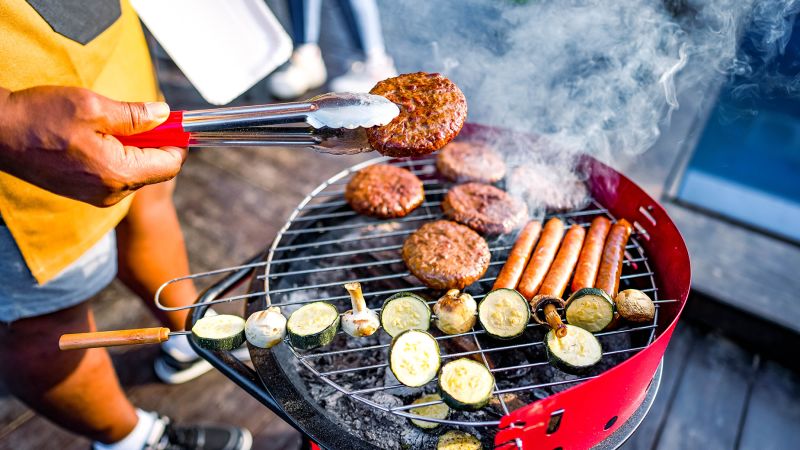
Outdoor cooking, while enjoyable, requires careful attention to detail to minimize risks. Dr. Wen advises using a food thermometer to ensure meat is cooked to the correct internal temperatures. For example, chicken should reach at least 165°F, while ground beef needs a minimum of 160°F. Once cooked, maintaining a temperature of 140°F or higher is essential to inhibit bacterial growth. To further safeguard against contamination, raw meat should be refrigerated before grilling, not left at room temperature for extended periods.
Separating raw and cooked foods is another critical measure. Utensils, plates, and containers used for raw meat should be labeled and kept distinct from those handling salad items or other ready-to-eat foods. This prevents cross-contamination, which can introduce harmful pathogens into otherwise safe meals. Additionally, raw meat should be stored in sealed, leak-proof bags to avoid spreading bacteria to other ingredients.
Handling Perishables in Extreme Heat
With temperatures potentially exceeding 90°F, the window for safely leaving perishable items unrefrigerated shrinks. Under typical conditions, such foods can remain out for up to two hours, but in heatwaves, this timeframe drops to just one hour. This applies to cooked meats like burgers and delicate dishes such as potato salad or coleslaw, which are prone to spoilage if not monitored closely.
“In hot weather, perishable foods should be consumed promptly or refrigerated within an hour to avoid bacterial proliferation,” explains Dr. Wen.
For those without access to refrigeration, a well-insulated cooler stocked with ample ice becomes indispensable. The cooler should maintain a temperature of 40°F or below to preserve the integrity of raw ingredients until they are ready to be cooked. Dr. Wen also stresses the importance of using ice packs or frozen gel packs to keep the cooler’s contents stable, especially during long outdoor events.
Staying Hydrated and Cool During the Holiday
Food safety is just one aspect of staying healthy during the summer. Dr. Wen notes that hydration is equally vital, as excessive sweating and high temperatures can lead to dehydration. Drinking water regularly, avoiding excessive alcohol consumption, and using cool, shaded areas to rest are essential strategies for maintaining well-being. For pets, similar precautions apply—ensuring they have access to fresh water and cool environments can prevent heatstroke and other heat-related ailments.
Addressing Concerns: Avian Flu and Food Safety
Recent outbreaks of avian influenza have raised questions about the safety of poultry products. However, Dr. Wen assures that as long as meat and eggs are cooked to recommended temperatures, they remain safe for consumption. “The avian flu outbreak last year did not alter our approach to eating chicken or eggs,” she clarifies. “Cooking kills the virus, so it’s crucial to follow standard food safety protocols.”
Milk, another common concern, is still safe to drink provided it is properly stored and handled. Dr. Wen emphasizes that pasteurization and correct refrigeration prevent the growth of harmful bacteria, even in the face of rising temperatures.
Hand Hygiene: A Simple but Effective Measure
One often-overlooked step in food safety is thorough handwashing. Dr. Wen points out that transferring bacteria from raw meat to other foods can occur if hands are not cleaned properly. “After handling raw hamburger meat, it’s important to wash hands with soap and water before touching salad ingredients or serving dishes,” she recommends. This simple practice not only protects the food but also reduces the spread of germs to other surfaces and individuals.
Additional Tips for a Safe Celebration
Ensuring food safety during the Fourth of July involves more than just temperature monitoring. Dr. Wen suggests planning meals in advance to reduce the time food spends at room temperature. Portable coolers and ice packs are recommended for long outings, while pre-chilled ingredients can be stored in shaded areas to maintain freshness. For families with children or pets, keeping food in airtight containers and using disposable plates for raw items can further minimize cross-contamination risks.
Moreover, avoiding leaving perishables in direct sunlight is a practical tip. Covering dishes with lids or using insulated containers can help maintain temperatures and prevent exposure to harmful bacteria. Dr. Wen also advises checking expiration dates on dairy and produce, as these items may spoil faster in hot weather.
Conclusion: A Proactive Approach to Summer Safety
The Fourth of July offers a chance to enjoy the season, but it also demands vigilance against the hidden dangers of heat. By combining temperature control, hygiene practices, and careful planning, individuals can ensure their meals remain safe and their celebrations remain enjoyable. Dr. Wen concludes, “With a little preparation and awareness, we can savor the holidays without compromising our health. Staying informed is the key to a worry-free summer feast.”