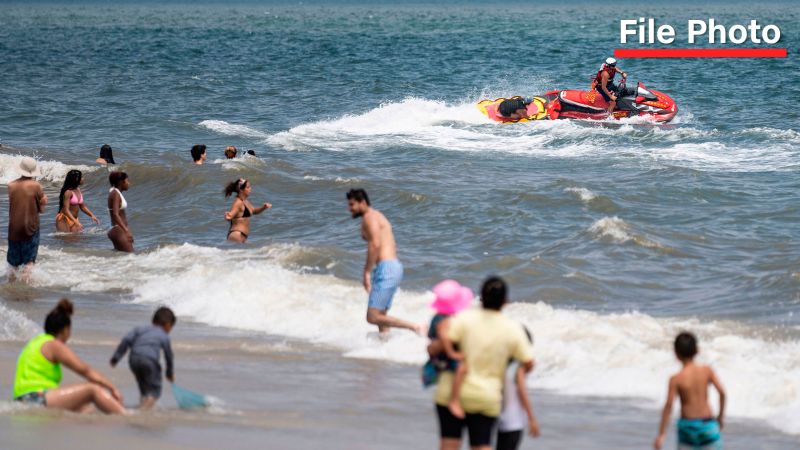
Swimmer Bitten on the Foot in Suspected Shark Attack at New York City Beach
Swimmer bitten on the foot at New – A New York City swimmer sustained a foot injury in what is believed to be a shark attack on Friday, leading to an emergency closure of the local beach. The incident occurred at Jones Beach State Park, where authorities confirmed the attack after a lifeguard responded swiftly to the scene. The victim, who was swimming in the surf, suffered lacerations that required medical attention, though the injuries were not life-threatening. Emergency services transported the individual to a hospital for treatment, and officials later lifted the temporary ban on swimming after a thorough search for sharks and other marine life yielded no results.
Shark Sightings Prompt Precautions Across the Region
Authorities reported multiple shark sightings in the days leading up to the attack, raising concerns among beachgoers and lifeguards. On Thursday, officials noted unusual activity at Rockaway Beach in Queens, where intermittent closures were implemented to ensure public safety. Similarly, lifeguards at a Long Island beach near Point Lookout spotted a shark in the water and immediately ordered swimmers to evacuate. The area was temporarily closed to swimming, reflecting a pattern of vigilance as shark activity increases during warmer months.
The recent surge in sightings has prompted heightened monitoring efforts, including the deployment of drones to track marine life in real-time. These unmanned aerial devices have become a critical tool for detecting sharks in coastal waters, particularly in regions where visibility is limited. While the exact cause of the Friday attack remains under investigation, officials emphasize that the presence of sharks in the area is not uncommon, but such incidents are typically rare.
Heatwave Drives Increased Beach Traffic
As record-breaking temperatures persist across the eastern United States, beaches have become a popular refuge for residents seeking relief from the sweltering heat. This has led to a surge in visitors, with crowded shores and bustling activity becoming the norm. The warm weather has also extended the swimming season, increasing the likelihood of encounters with marine creatures like sharks.
Despite the heatwave’s influence, the rarity of shark bites remains a key factor in the region’s safety record. Experts note that while sharks are frequently observed in the waters off the U.S. coastline, attacks on humans are uncommon. Gavin Naylor, director of the Florida Museum of Natural History’s shark research program, highlighted this in a recent statement:
“There are between 60 and 80 known unprovoked shark bites worldwide each year, and it’s extremely rare for two or more people to be bitten in close proximity.”
Naylor’s remarks underscore the statistical likelihood of such incidents occurring, even in areas with frequent shark presence.
The Friday attack at Jones Beach State Park has sparked renewed discussions about coastal safety measures. While the exact cause of the injury remains unclear, officials are reviewing protocols to enhance response times and improve early detection. Lifeguards have been instructed to maintain heightened alertness, particularly in the wake of recent sightings. Additionally, plans are being considered to increase the frequency of drone patrols in high-traffic zones to minimize risks.
Regional Efforts to Monitor and Mitigate Risks
Across New York City and Long Island, authorities have taken proactive steps to address the rising number of shark sightings. In Queens, emergency management teams issued advisories to beachgoers, urging them to stay informed about closures and follow lifeguard guidance. These warnings were amplified by local media, ensuring widespread awareness among the public.
The use of technology has played a pivotal role in monitoring shark activity. Drones equipped with cameras and thermal sensors provide real-time data, enabling officials to identify potential threats quickly. This method has proven effective in tracking sharks, which often remain hidden beneath the surface. However, challenges persist, as the creatures can be difficult to spot during peak hours when swimmers are most active.
Following the Friday incident, there has been a call for increased collaboration between environmental agencies and local governments to develop a comprehensive shark mitigation strategy. While the immediate threat has been addressed, the long-term implications of rising water temperatures and changing ocean currents are being studied. Scientists suggest that warmer waters may alter shark behavior, potentially leading to more frequent interactions with humans.
Public Response and Community Impact
The news of the attack has generated a mix of reactions among residents and visitors. Some have expressed concern about the safety of the beaches, while others remain confident in the measures being taken to protect swimmers. Social media platforms have been flooded with posts from individuals sharing their experiences at the beach, with many calling for continued vigilance.
Local businesses, such as seafood restaurants and beachside vendors, have also felt the impact of the closures. While the incident did not lead to widespread panic, it has encouraged some patrons to avoid the water until further notice. Meanwhile, the New York City Parks Department has reiterated its commitment to maintaining safe conditions for recreational activities, emphasizing the importance of timely responses to potential dangers.
As the summer progresses, the likelihood of similar incidents may increase, particularly with the ongoing heatwave. However, officials stress that the majority of shark encounters are benign. The Friday attack serves as a reminder of the natural risks associated with coastal recreation, even in areas where such events are statistically rare. Continued efforts to monitor and adapt to these challenges will be crucial in ensuring the safety of both swimmers and marine life.
The incident at Jones Beach has also prompted a reevaluation of beach safety infrastructure. Discussions are underway to install additional signage warning of potential shark activity, as well as to expand the use of underwater cameras in key locations. These measures aim to provide beachgoers with more information and reduce the risk of unanticipated encounters.
While the focus remains on the immediate aftermath of the attack, the broader context of marine safety is being examined. Experts suggest that climate change and ocean warming may contribute to shifts in shark populations, bringing them closer to shore in search of food or warmer waters. This trend highlights the need for ongoing research and adaptive strategies to manage coexistence with these powerful predators.
For now, the beach has reopened, though with restrictions in place. Swimmers are advised to stay within waist-deep water and avoid venturing too far from the shore. The New York City Parks Department has also urged individuals to report any unusual marine activity, ensuring a rapid response to future incidents. As the community reflects on the event, the balance between enjoying the ocean and remaining cautious in the face of natural threats remains a central theme.
With the summer season in full swing, the focus will likely shift to maintaining public confidence in the beaches. Authorities plan to monitor conditions closely and adjust safety protocols as needed. The incident at Jones Beach, while alarming, is a rare occurrence that underscores the importance of preparedness and vigilance in coastal areas. As the days grow warmer, the combination of natural curiosity and human activity will continue to shape the dynamics of beach safety in the region.