Skip a Trip to the ER While Celebrating the Fourth of July
Skip a trip to the ER while – As the United States marks its 250th anniversary with dazzling pyrotechnics across the country, the risk of severe firework injuries has escalated, prompting health officials to emphasize caution. Amid a sweltering heat wave and growing wildfires, the Consumer Product Safety Commission (CPSC) reports a surge in injuries and fatalities linked to fireworks, urging families to rethink their approach to celebration safety.
The Rising Threat of Firework Injuries
According to the CPSC’s 2025 report, approximately 13,000 individuals sustained firework-related injuries last year, with 15 fatalities—a 36% increase compared to 2024. These figures highlight a concerning trend, as the hardest-hit demographic remains 15 to 24-year-olds, who accounted for 31% of all incidents. Dr. Elizabeth Murray, a pediatric emergency physician at the University of Rochester Medicine, attributes this spike to a combination of peer influence and impulsive challenges among younger people.
“Youth often give in to peer pressure or silly challenges that push them to take risks they wouldn’t otherwise consider,” Murray explained. “The consequences can be devastating, with some accidents resulting in facial injuries or eye damage.”
With the nation’s attention focused on the 250th birthday of the United States, experts warn that increased excitement could lead to more casual handling of fireworks. Peter Feldman, acting chairman of the CPSC, emphasized that safety habits are critical, stating in an email to CNN: “Maintaining a respectful distance from lit fireworks and avoiding direct aiming at people can prevent many of these incidents.”
Sparklers: A Hidden Danger
Sparklers, often used as festive party favors, pose a significant threat that is frequently underestimated. These handheld fireworks burn at an intense 2,000 degrees Fahrenheit, as noted by the CPSC. Last year, 1,300 emergency room visits were linked to sparkler injuries, underscoring the need for vigilance. The commission advises that young children should never handle sparklers, citing the rapid movement of toddlers and the ease with which they can suffer burns.
“A toddler can move fast, reach for a sparkler, and be burned in seconds,” Murray recounted. “This has happened countless times over my 20 years of practice.”
Julie Heckman, executive director of the American Pyrotechnics Association, reinforced that even older children require supervision when using sparklers. She recommended simple measures like wearing closed-toe shoes, standing still, and fitting clothing to minimize burn risks. “Once a sparkler finishes burning, drop it into water to cool the wire,” Heckman advised. “A child could step on the hot metal and suffer serious harm.”
Wildfires and Regional Restrictions
Compounding the danger is the nation’s ongoing drought and extreme heat, which have created volatile conditions for fireworks. The Eastern and Central regions are experiencing a historic heatwave, expected to last through the Fourth of July holiday, increasing the likelihood of wildfires. In response, several states have implemented temporary restrictions to curb firework use.
Utah’s governor issued an executive order on June 25, banning personal firework use statewide from Thursday to Sunday due to the Cottonwood Fire, the largest active blaze in the country. Similarly, Phoenix, Arizona, has imposed a city-wide ban on fireworks on its properties, including parks and areas within a mile of nature reserves, with penalties up to $2,500 for violations. In California, counties are enforcing stricter rules by deploying drones to monitor firework misuse and imposing hefty fines for noncompliance.
Preparation for a Safer Celebration
Whether you’re launching fireworks for the first time or the hundredth, the way you approach safety will determine the outcome of your celebration. Heckman highlighted that the 250th anniversary has inspired many first-time users, making thorough preparation essential. “Reading and following instructions can reduce the risk of accidents,” she said. “Planning your activity in advance ensures a memorable yet safe event.”
Experts suggest creating a safe zone for fireworks, keeping them away from flammable materials and ensuring clear lines of sight. They also recommend having a fire extinguisher on hand and practicing the “stop, drop, and roll” method in case of burns. For those handling sparklers, the CPSC stresses the importance of supervising children and avoiding direct contact with the burning components.
Lessons from the Emergency Room
Dr. Murray shared insights from her work, noting that emergency departments are frequently overwhelmed by firework-related cases. “The injuries we see are often preventable,” she said. “People need to understand that a single mistake can lead to life-altering consequences.”
She outlined key precautions, including keeping fireworks in a dry, open area, never aiming them at people, and ensuring all users are familiar with the correct handling procedures. “The fourth of July is a time for joy, but it also requires responsibility,” Murray added. “Parents and guardians must take the lead in educating younger generations about the risks.”
As the nation prepares for a celebration steeped in history and spectacle, the CPSC and other organizations are working to ensure that the festivities don’t come at the cost of severe injuries. Their combined efforts—educational campaigns, regional bans, and community awareness—aim to reduce the number of preventable accidents. “We’re not just talking about minor scrapes,” Feldman said. “These incidents can lead to hospitalizations and, in some cases, fatalities.”
With summer in full swing and the 250th anniversary providing a perfect backdrop for fireworks, the message is clear: preparation, vigilance, and adherence to safety guidelines can turn a potentially dangerous celebration into a joyful one. By taking these steps, families can enjoy the spectacle without the worry of emergency room visits or long-term injuries.
The Nostalgic Midwestern Salad That Deserves a Comeback
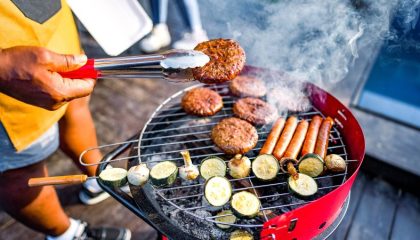
While the focus is on avoiding firework mishaps, some communities are also embracing a culinary tradition: the Midwestern salad. This hearty dish, typically featuring a mix of greens, grilled meats, and fresh vegetables, has seen a resurgence in popularity. As families gather to celebrate, the salad offers a refreshing alternative to traditional barbecue fare, reminding them that the Fourth of July is not only about pyrotechnics but also about savoring the simple joys of summer.