Diarrhea-Causing Parasite Contaminating Raw Produce Sparks Outbreaks Across States
Diarrhea causing parasite that can contaminate – A recent surge in cases of cyclosporiasis, a parasitic infection, has drawn attention to the diarrhea-causing parasite that can contaminate raw produce. Health authorities across multiple states have reported a notable increase in infections, attributed to a widespread contamination issue. The CDC has logged 145 confirmed cases in 17 states since late May, with some areas witnessing a rapid spike that has intensified public health concerns. This situation underscores the need for heightened awareness when consuming fresh fruits and vegetables.
Outbreak Patterns and Regional Impact
The diarrhea-causing parasite that can contaminate raw produce has shown an unusual spread this year, surpassing typical seasonal trends. In Michigan, at least 170 cases were reported in just nine days, concentrated in seven counties. This is more than double the state’s usual annual count of 50 cases. New York, too, has seen 107 infections since May 1, a figure that, while lower than its typical range of 500 to 700, still signals a significant rise. The situation remains fluid, with investigations ongoing to pinpoint exact contamination sources.
How the Parasite Infects Food
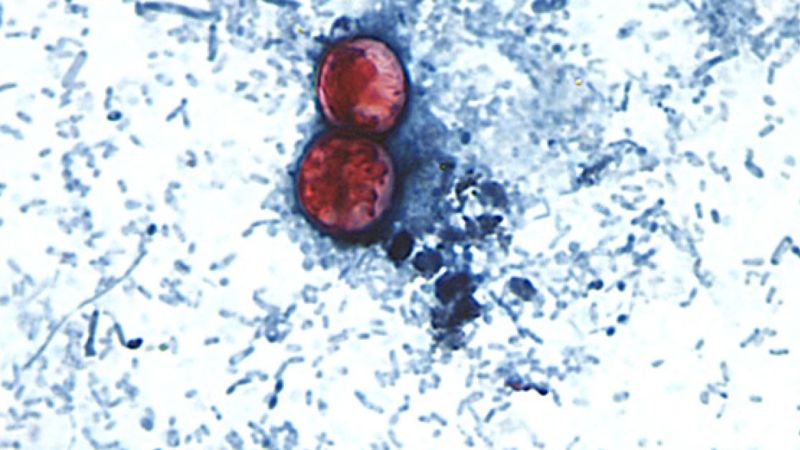
Cyclospora, the parasite responsible for the diarrhea-causing parasite that can contaminate raw produce, spreads through water contaminated with human waste. This water can then transfer to crops during irrigation or harvesting, particularly in warm, humid environments. Dr. David Freeman, a professor emeritus at the University of Alabama at Birmingham, explains that such conditions allow the parasite to thrive on plants. Leafy greens, herbs like cilantro, and fresh berries are among the most common culprits, making them a focus for food safety measures.
“Once the parasite lands on plants, it thrives in the warm, moist environment of a farm field,” Freeman noted. “This is why outbreaks often align with the growing season and peak during warmer months.”
The parasite’s lifecycle is closely tied to environmental factors, making it a persistent challenge for food safety. While the exact origin of the current outbreaks is under review, experts emphasize that contamination can occur locally, not just through imported goods. This underscores the importance of vigilant handling and preparation of fresh produce, even when it’s sourced from nearby farms.
Recognizing the Symptoms
Individuals infected with cyclosporiasis may experience frequent, watery diarrhea, reduced appetite, and mild fever. These symptoms typically appear two to 14 days after consuming contaminated food. While many cases are mild, the parasite can lead to severe dehydration, especially in vulnerable populations. “Staying hydrated and using electrolyte drinks is crucial,” Freeman advised. “If symptoms escalate, seeking medical help is essential.”
Proper cooking is the most effective way to eliminate the parasite, but its presence in raw foods like salads and garnishes has raised concerns. As summer progresses, more people are consuming lighter meals, which may increase the risk of exposure. This highlights a need for education on safe food handling practices, particularly in areas with high contamination reports.
Preventive Measures and Consumer Tips
Preventing the spread of Cyclospora requires more than just rinsing produce. While washing with water removes surface contamination, bleach-based cleaners may not fully eradicate the parasite. Freeman recommended using soap and water for handwashing, followed by alcohol-based sanitizers to minimize risks. Additionally, inspecting fruits and vegetables for visible residues and storing them properly can reduce the chance of cross-contamination.
Health officials are urging consumers to remain cautious, especially in regions where the diarrhea-causing parasite that can contaminate raw produce is prevalent. By adopting simple hygiene practices and staying informed, individuals can protect themselves from the potentially debilitating effects of this parasite. Ongoing investigations will help refine recommendations and identify specific pathways for contamination in the future.