Pope’s July 4 Visit to Migrant Hub Sparks Reflection on U.S. Immigration Stance
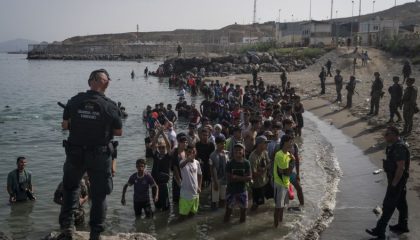
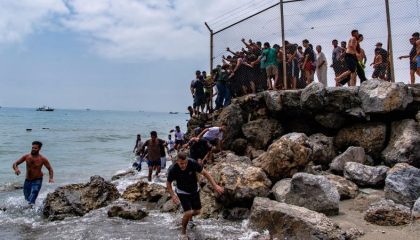
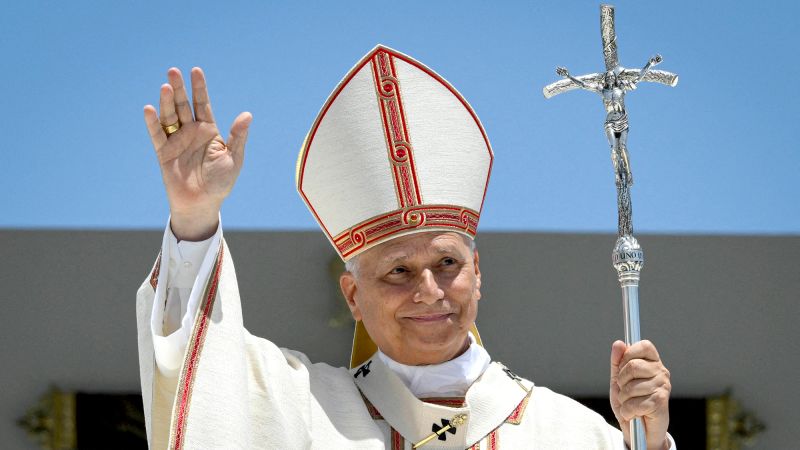
Sandego.net – In a symbolic gesture honoring the 250th anniversary of U.S. independence, Pope Leo XIV is set to visit Lampedusa, a key Mediterranean migrant hub, to address the ongoing immigration debates that have strained relations with the Trump administration. This trip, scheduled for July 4, aims to draw attention to the challenges faced by displaced individuals and to highlight the Vatican’s evolving perspective on migration. Lampedusa, a southern Italian island, has long served as a critical entry point for those fleeing conflicts and economic hardship across the region. The pope’s presence there underscores the growing importance of the issue in global discourse and its relevance to American policy.
Historical Context and Papal Priorities
Migrant policies have become a focal point of friction between the papacy and the Trump administration, with Vice President JD Vance, a Catholic, recently criticizing the Vatican’s position as “troubling.” The tension stems from the pope’s consistent advocacy for humane treatment of immigrants, a stance that has occasionally clashed with the administration’s more restrictive approach. During his time as a bishop in Peru, Leo XIV provided tangible support to Venezuelans seeking refuge, demonstrating a long-standing commitment to aiding those in need. As pope, he has repeatedly called out the harsh measures implemented by the U.S. government, labeling them as “inhuman” and emphasizing the moral imperative to protect vulnerable populations.
Leo XIV’s visit to Lampedusa will include a ceremonial act of remembrance, where he will lay a floral wreath at the graves of migrants who perished in the sea. This gesture will be accompanied by meetings with displaced individuals and a celebration of an open-air Mass, creating a platform to amplify their voices. The pope’s itinerary reflects his effort to bridge the gap between the Catholic Church and migrant communities, offering a space for dialogue and solidarity. His predecessor, Pope Francis, had similarly visited Lampedusa shortly after his election in 2013 to spotlight the perilous journeys of those crossing the Mediterranean in rickety boats.
Immigrant Heritage and Leadership Perspectives
Cardinal Blase Cupich, the archbishop of Chicago and a staunch supporter of the pope, described the visit as “personal,” noting that Leo’s own background as a descendant of immigrants resonates deeply with the experiences of those arriving in Europe. Cupich highlighted the importance of recognizing immigrants’ contributions to society, a theme that has often been overshadowed by debates over legal compliance. “In this era, we tend to focus on the legal violations, but the pope reminds us that God values the dignity of every person, regardless of their status,” he explained to CNN. This sentiment aligns with the pope’s belief that immigration should be seen as a path to opportunity rather than a burden.
“He has said this before: God doesn’t look for passports and God looks at the dignity of every human being, and I think he’s going to lean into that and call us to our better angels.” — Cardinal Blase Cupich
Archbishop Ronald Hicks, newly appointed to lead the Catholic New York archdiocese, echoed similar concerns. Hicks, who spent five years in El Salvador, shared firsthand insights into the struggles of immigrants, stating, “The United States has always been a land of newcomers. Everyone arrives from somewhere, and every generation carries the legacy of those who came before.” His perspective adds depth to the pope’s message, framing immigration as a defining feature of American identity. Hicks emphasized that the visit is not merely symbolic but a call to action, urging leaders to consider how they treat newcomers and whether they foster unity or division.
“He (Leo) is saying the United States has always been a country of immigrants. Everyone has come from somewhere at different times.” — Archbishop Ronald Hicks
The pope’s itinerary also includes meetings with local leaders and migrants, providing an opportunity to address the humanitarian challenges facing the island. Lampedusa’s role as a crossroads for migration is well-documented, with thousands of asylum seekers arriving annually, many risking their lives in the process. By focusing on this region, Leo XIV aims to highlight the global implications of U.S. immigration policies and the shared responsibility of nations in addressing the crisis.
Theological Disputes and the Just War Theory
Leo XIV’s advocacy for migrants has not only influenced domestic policy discussions but has also sparked debates over the application of the Just War theory. During the 2026 election, President Donald Trump criticized the pope for opposing the war in Iran, calling his stance “unwarranted.” This clash reached a peak when Trump launched a series of sharp criticisms against the Vatican, labeling its position on migration as a political move rather than a moral imperative. Cupich, reflecting on these attacks, noted their unprecedented nature and called for a higher standard of leadership.
“I was sad, saddened to see that.” — Cardinal Blase Cupich
Cupich argued that the Just War theory, a foundational principle in Catholic thought, should not be used as a justification for the U.S. military actions in Iran. He emphasized the need for a continued dialogue between the Church and Trump’s administration, stating that the theory must be applied with care. “You cannot use the Just War theory in that instance,” Cupich said, “and it shouldn’t be viewed as a permission slip for conflict.” This perspective highlights the broader philosophical and ethical questions surrounding the use of force and the responsibilities of global powers.
The Just War theory, developed over centuries, serves as a framework for evaluating the morality of military interventions. Its origins trace back to Saint Augustine of Hippo, a spiritual figure who shaped Catholic thought and is closely associated with Leo XIV’s religious lineage. The theory has been invoked by policymakers to justify actions in various conflicts, yet its application remains contentious. Vance, who has publicly challenged the pope’s views, warned that the Vatican must remain cautious in its theological critiques, particularly regarding the war in Iran. This exchange underscores the delicate balance between religious conviction and political pragmatism in shaping immigration and foreign policy.
Legacy and Future Directions
As the pope continues to advocate for migrants, his actions reflect a broader shift within the Catholic Church toward prioritizing humanitarian values. The recent joint statement by U.S. bishops, released at the end of 2025, marked a significant step in this direction, highlighting the growing unity among religious leaders on migration issues. This movement has been further bolstered by Leo XIV’s appointments of bishops with immigrant backgrounds, including one who arrived in the U.S. as a teenager from El Salvador. These decisions signal a commitment to diverse perspectives and a recognition of the experiences that shape religious and political leadership.
The visit to Lampedusa is expected to leave a lasting impression on both the public and policymakers, reinforcing the pope’s vision of a compassionate and inclusive society. By centering the narrative around the human cost of migration, Leo XIV aims to inspire a renewed dialogue on immigration, one that emphasizes empathy and shared humanity. As the United States faces ongoing debates over border policies, the pope’s message serves as a reminder of the nation’s roots and the enduring legacy of those who sought refuge in its shores.
With the July 4 trip marking a pivotal moment, the Vatican’s stance on immigration is poised to influence the next chapter of U.S.-Catholic relations. The combination of personal stories, theological insights, and practical advocacy underscores the complexity of the issue and the pope’s determination to address it. As the world watches, the visit may not only shape public perception but also set the stage for future policies that prioritize the dignity and rights of all individuals, regardless of their origin or status.