Lawsuit Aims to Halt UFC Fight at White House
Sandego.net – On June 7, 2026, two residents of Virginia initiated a legal challenge to prevent the Ultimate Fighting Championship (UFC) from holding a high-profile event at the White House. The lawsuit, filed by the Public Integrity Project, centers on a planned fight that President Donald Trump is organizing as part of commemorations for the nation’s 250th birthday. The case argues that the White House grounds are being used for a private, commercial sports event without proper authorization, raising concerns about the use of public resources for profit-driven purposes.
Unauthorized Structure and Financial Arguments
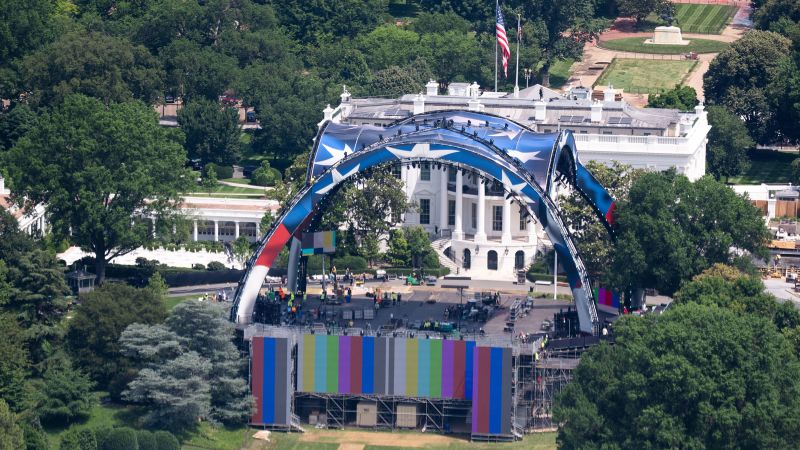
The lawsuit contends that the temporary structure erected on the White House lawn to host the event lacks formal approval from Congress or the necessary environmental reviews. Legal documents submitted by the plaintiffs emphasize that the event’s designation as a “celebration of the 250th anniversary of American Independence” is misleading, asserting instead that it serves as a platform for UFC’s brand and Trump’s personal interests. The plaintiffs also highlight that the White House’s use for a for-profit fight will generate significant financial returns for UFC’s president, Dana White, and Trump, citing a report from spring 2026 that Trump invested $50,000 in UFC’s parent company.
According to the complaint, the event’s arrangement transforms the White House into a promotional space for the UFC, leveraging its iconic status to boost brand visibility. This, the plaintiffs claim, prioritizes corporate gain over the preservation of national landmarks. The lawsuit further notes that the UFC is selling VIP packages for between $1 million and $1.5 million, underscoring the commercial nature of the gathering. These packages are part of the broader argument that the event is not a public celebration but a calculated effort to monetize the White House’s prestige.
Contesting the Event’s Authorization
The administration has defended the event, stating that it falls under Congress’s approval for celebrating the 250th anniversary of the United States. However, the lawsuit disputes this claim, arguing that the event’s purpose diverges significantly from the intended public commemoration. “This is not a celebration of the nation’s heritage—it’s a spectacle for the UFC’s brand and the president’s own milestone,” one of the plaintiffs remarked in a press statement. The case challenges the idea that the White House can be treated as a neutral venue for private enterprise, questioning the balance between national symbolism and corporate influence.
Paul Romano, a retired Air Force sergeant and Vietnam War veteran, has been a vocal critic of the event. In a news release, he described the use of the Lincoln Memorial as a backdrop for the weigh-in the day before the fight as a “desecration of sacred ground.” Romano emphasized the historical significance of the memorial, which honors soldiers who served the country. “Allowing a for-profit cage fight to be staged there diminishes its meaning and exploits it for political and financial gain,” he stated. His comments align with the broader argument that the White House’s use for commercial purposes undermines its role as a public institution.
“The Lincoln Memorial is sacred ground, and it honors everyone who has ever worn this country’s uniform.” – Paul Romano, plaintiff
Brendan Ballou, founder of the Public Integrity Project, has also criticized the event as a “profoundly corrupt scheme to enrich the President and his allies.” He warned that if the fight proceeds, it could set a precedent for the commercialization of national monuments. “Our national symbols will become mere tools for the wealthy and well-connected to profit from their influence,” Ballou said. His remarks reflect growing public sentiment that the White House is being used as a stage for personal and corporate agendas rather than a venue for public service.
“If this fight is allowed to proceed, it will be only the beginning, and our national monuments will become little more than branding opportunities for the rich and well-connected.” – Brendan Ballou, founder of the Public Integrity Project
Event Details and Symbolic Significance
The June 14 White House South Lawn event is part of a larger celebration marking the nation’s 250th anniversary. However, critics argue that the timing of the event—coinciding with Trump’s 80th birthday—adds another layer of personal significance. The UFC has described the event as “the greatest show on Earth,” with the White House serving as the backdrop for a high-energy spectacle. To facilitate the fight, construction crews are building a massive fight cage on the South Lawn, while a towering arched lighting grid—referred to by the UFC as “The Claw”—has already begun transforming the space.
The weigh-in, scheduled for June 13, will take place at the Lincoln Memorial, drawing attention to the symbolic contrast between the event and the monument’s historical role. While the memorial is a revered site for American history, the UFC’s use of it for promotional purposes has sparked debate. “The Lincoln Memorial is a place of reflection and unity, not a stage for entertainment,” Romano added, criticizing the event’s decision to use the landmark as a visual centerpiece.
Trump’s involvement in the event has been a focal point of the lawsuit. His decision to purchase $50,000 worth of stock in UFC’s parent company has been cited as evidence of his financial stake in the event. This action, combined with his public enthusiasm for the fight, has led critics to accuse him of exploiting his presidential position for personal profit. The lawsuit argues that the event is not a public celebration but a private venture that benefits Trump and UFC executives through exposure and revenue.
Broader Implications of the Legal Challenge
The lawsuit’s implications extend beyond the immediate event, raising questions about the accessibility of public spaces for private interests. By using the White House grounds for a UFC fight, the administration is accused of blurring the lines between government and commerce. The plaintiffs argue that such actions prioritize the interests of a select few over the public good, potentially eroding trust in the White House as a neutral entity.
Additionally, the case highlights the growing tension between patriotic commemorations and the commercialization of national symbols. While the 250th anniversary of American Independence is a historic occasion, the lawsuit suggests that the event’s focus on UFC branding and Trump’s personal milestones undermines its patriotic intent. Critics warn that without legal intervention, similar events could become routine, with the White House serving as a recurring backdrop for corporate promotions.
CNN has sought comments from the White House and UFC officials regarding the lawsuit. The White House has defended the event, asserting that it aligns with congressional mandates for celebratory activities. UFC representatives have emphasized the cultural impact of the fight, stating that it brings attention to the sport and its legacy. Despite these arguments, the lawsuit continues to gain traction, with supporters arguing that the event represents an overreach of presidential authority and a disregard for environmental and procedural safeguards.
As the June 14 event approaches, the legal battle over its legitimacy intensifies. The case has sparked discussions about the role of national monuments in contemporary American culture and whether they should remain protected from commercial exploitation. Whether the lawsuit succeeds or not, the event has already become a symbol of the intersection between politics, entertainment, and profit in the modern era.
The Public Integrity Project’s challenge is part of a broader movement to ensure that public spaces are used responsibly. With the White House now adorned with “The Claw,” the event has drawn both admiration and criticism, setting the stage for a pivotal moment in the nation’s history. As the fight draws closer, the outcome of the lawsuit could shape how future events are perceived and authorized, emphasizing the importance of maintaining the integrity of national landmarks.