Early West Nile Virus Season Signals CDC Warning of Potential Surge
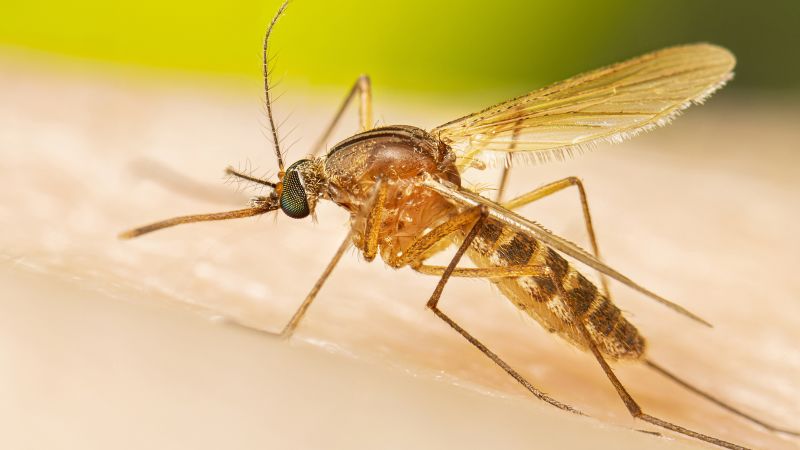
Early intense West Nile season may signal – The CDC has raised alarms about an early and intense West Nile virus season, which could indicate a particularly severe year for the mosquito-borne illness. With cases emerging in June—well ahead of the usual July-to-September peak—the agency warns that this shift in timing may lead to a significant rise in infections. In 2004, a similarly early outbreak resulted in over 2,500 human cases and 100 deaths, setting a precedent for the potential impact of this season. The early onset of the season suggests a more active viral presence, prompting public health officials to emphasize proactive measures to mitigate risks.
Public Health Precautions and Community Awareness
As the West Nile season progresses earlier than expected, residents are urged to take additional precautions. Health experts highlight the importance of reducing mosquito exposure, especially for those at higher risk, such as older adults and individuals with chronic illnesses. Dr. Lyle Petersen, director of the CDC’s Division of Vector-Borne Diseases, notes that while the number of reported cases remains relatively low, the trend is concerning. He explains that the data reflects only a fraction of the total infections, as many people remain asymptomatic. “The actual number of affected individuals could be up to 30 times higher,” Petersen states, underscoring the need for widespread vigilance.
“The early and intense West Nile season this year is a red flag,” Dr. Petersen remarked. “Even though the numbers are still modest, they could escalate quickly if we don’t adapt our prevention strategies.”
Historical Context and Predictive Patterns
Historically, West Nile virus outbreaks have followed cyclical patterns, with surges typically occurring every three years. However, this year’s early season deviates from the norm, with 23 states already reporting activity by late June—nearly double the usual count. This rapid spread is linked to increased mosquito activity and a higher prevalence of the virus in bird populations, which serve as its primary reservoir. Scientists caution that such early emergence may signal a once-in-a-decade surge, necessitating a reevaluation of current monitoring and response protocols.
Neurological Risks and Vulnerable Populations
While most West Nile infections are mild, the virus can lead to severe neurological complications. The CDC reports that 80% of the 48 confirmed cases in June involved neuroinvasive disease, which affects the brain and spinal cord. Older adults are disproportionately at risk, as the illness tends to be more debilitating for this demographic. Dr. Anthony Fauci, former director of the National Institute of Allergy and Infectious Diseases, described his personal experience with the virus as “the sickest I’ve ever been,” emphasizing the potential for long-term health consequences in those infected.
“The 2004 outbreak was one of the most severe in U.S. history, and the current season’s early start could mirror that trend,” Fauci noted. “It’s critical that we remain prepared, especially as the virus continues to circulate earlier than expected.”
Climate Factors and Mosquito Behavior
Warmer temperatures and wetter weather conditions have contributed to the early West Nile season, creating an environment conducive to mosquito breeding and activity. The CDC attributes this trend to changing climate patterns, which may extend the mosquito season into earlier months. This shift increases the likelihood of human exposure, particularly in regions where mosquito populations are already high. Health officials are monitoring the situation closely, as the early activity could lead to a prolonged outbreak with higher transmission rates.
Preparedness and Preventive Measures
With the early and intense West Nile season underway, experts are advocating for increased preventive efforts. These include eliminating standing water to reduce mosquito breeding sites, using repellents, and wearing protective clothing during peak hours. Public health campaigns are also focusing on educating communities about the risks and symptoms of the virus. While the exact trajectory of the season remains uncertain, the CDC’s warnings highlight the importance of preparedness to minimize the impact of this potentially severe outbreak.