Supreme Court Declines to Block $800 Daily Fine for Ex-Fox News Reporter
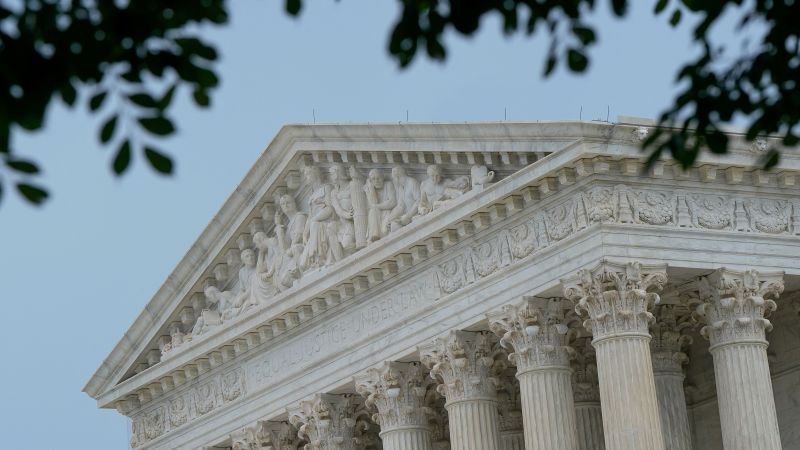
Sandego.net – The U.S. Supreme Court has declined to block the daily $800 fine imposed on Catherine Herridge, a former Fox News reporter, for refusing to name her sources. In a recent ruling, the justices opted not to intervene in the case, allowing the financial penalty to continue. Herridge, who has been at the center of a legal dispute, faces the fine after withholding the identity of her confidential source during an FBI investigation. The case involves a Chinese American scientist, Yanping Chen, who was scrutinized for her alleged ties to the Chinese military but never officially charged. Herridge’s steadfast commitment to protecting her sources has placed her in civil contempt, sparking a broader debate on the balance between transparency and privacy in journalism.
Origins of the Legal Challenge
The controversy began in 2017 when Herridge published a series of articles for Fox News that exposed Chen’s connections to the Chinese military. These reports relied on information shared during an FBI probe, including Chen’s immigration documents and an internal PowerPoint presentation. Despite the investigation spanning six years without any formal charges, Chen filed a lawsuit in 2018, arguing that the leaked data had disrupted her personal and professional life. Her legal team claimed the information was obtained through unauthorized disclosures, asserting that identifying the source is essential to proving a Privacy Act violation.
Under the Privacy Act, federal officials are required to safeguard personal information from disclosure without consent. Chen’s attorneys maintained that Herridge’s refusal to reveal her source demonstrated a breach of this mandate. However, Herridge defended her actions, emphasizing the importance of maintaining source confidentiality in investigative journalism. The case became a pivotal moment in the ongoing legal battle, with both sides presenting compelling arguments about the rights of journalists and the responsibilities of the government.
Implications for Press Freedom
The Supreme Court’s decision to uphold the fine has drawn attention to the tension between governmental transparency and the First Amendment rights of journalists. Legal experts argue that the ruling could set a precedent where reporters face financial consequences for protecting their sources. In a statement, the Reporters Committee for Freedom of the Press expressed concern over the potential chilling effect on investigative journalism. “Reporters who withhold sources to protect their First Amendment rights should not be penalized with hefty fines while they fight for the integrity of their work,” said Bruce Brown, the committee’s president.
The $800-a-day penalty represents a significant burden for Herridge, who has long been recognized for her role in uncovering government secrets. Her reporting has often focused on exposing high-level corruption, and this case now serves as a test of how far the legal system will go to balance public interest with journalistic confidentiality. Critics of the decision argue that it undermines the ability of reporters to speak freely, particularly when dealing with sensitive or classified information.
“This ruling sends a clear message that journalists must be prepared to pay the price for their confidentiality,” stated Fox News Media in a press release. “While we support the government’s need for transparency, we believe the Supreme Court’s decision could deter future whistleblowers and investigative reporters from sharing critical information.”
Chen’s legal representatives, including Attorney Andrew Phillips, have framed the case as a fight for accountability. They insist that identifying the source is crucial to proving that federal officials improperly exposed Chen’s private data. “The Privacy Act was created to protect citizens from unwarranted disclosures,” Phillips argued. “This case highlights the importance of holding government entities responsible when they leak sensitive information to harm individuals.”