
Tehran IVF clinic devastated by US-Israeli attack as hospitals and homes hit
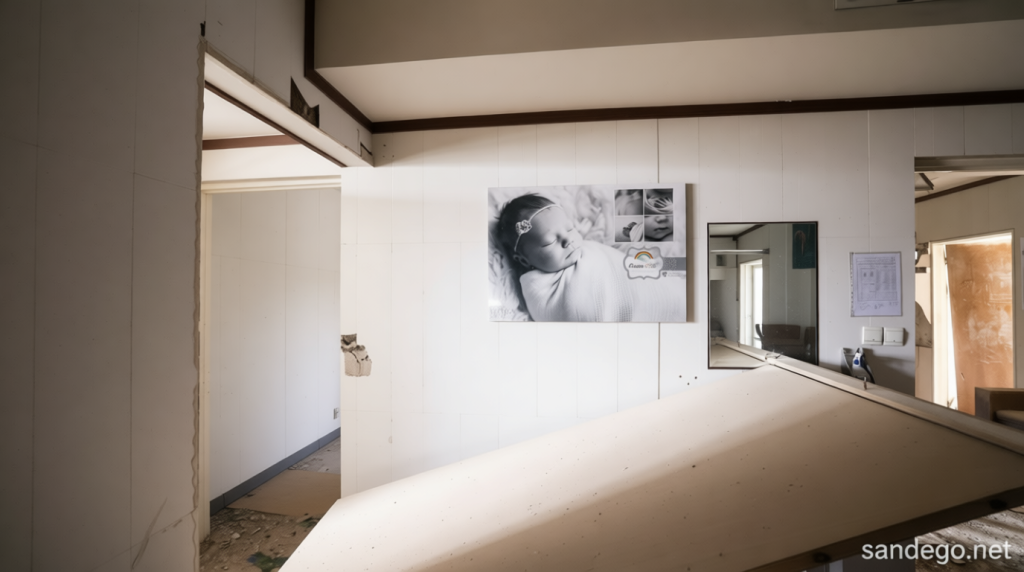
Tehran’s IVF clinic under siege as US-Israeli strikes target hospitals and homes
The US-Israeli bombing campaign has left Tehran’s Gandhi hospital in ruins, with its fertility clinic—once a beacon of hope for Mohsen and Firouzeh—now shattered. The couple had spent a decade pursuing parenthood, relying on the clinic’s services to finally realize their dream.
“The hospital staff worked tirelessly to help us,” Mohsen recalls. “After 10 years of struggle, we finally had hope.”
On Sunday, the second day of the assault, a strike obliterated the facility, causing “severe damage” to its IVF department. Mohammad Hassan Bani Asad, Gandhi hospital’s director, reported that one worker sustained critical injuries, including brain bleeding, requiring emergency surgery.
Firouzeh, still reeling from the news, describes the devastation as overwhelming. “We don’t know what’s happened. We don’t know if our samples are lost. We don’t know if all those years of effort are gone,” she says.
Iranians across the country, including Mohsen and Firouzeh, share their names only for safety. The US and Israel claim their strikes are focused on Iran’s leadership, military, and nuclear assets. Yet the human toll is evident in homes, hospitals, and even a primary school, where 150 girls aged seven to twelve perished.
Golestan Palace, a UNESCO-listed heritage site, also suffered structural harm. The Red Crescent Society reported 787 casualties, with attacks spreading across over 150 cities. In Shariati neighborhood, Negin witnessed an air strike demolish the Army hospital nearby.
“I saw things I’d never believe unless I had seen them myself,” she tells Middle East Eye. “Many residential homes on the same street were completely destroyed.”
Modarresi, a nurse at Gandhi hospital, recounted the chaos during the blast. “We were working normally when a deafening explosion threw me into my office corner. The building ignited, and everyone screamed as they fled,” she explains.
Despite the devastation, Salmaz and her team prioritized newborns in the ward. “In those terrible moments, we were just trying to save the babies,” she says. “It was like something from a movie.”
Iran’s Medical Council head, Mohammad Raiszadeh, noted that at least 10 medical centers were hit. He compared the strikes to Israel’s Gaza attacks, questioning the response of international bodies. “They showed during the Gaza crisis they can’t stop harm to hospitals,” he states.
The Israeli military claimed the Gandhi hospital damage was “minor and collateral,” attributing the strike to nearby military infrastructure. Yet staff insist the impact was far greater, with fires and panic gripping the facility.
Meanwhile, Mohammadali, a 32-year-old from Motahari Street, lost his workplace in the strikes. “Israel says it only targets military sites,” he says. “Our office supported small businesses. How does that connect to the Revolutionary Guard?”
