
What we know about the widening US war with Iran as conflict heads into its fourth day
What We Know About the Widening US-Israeli Conflict With Iran
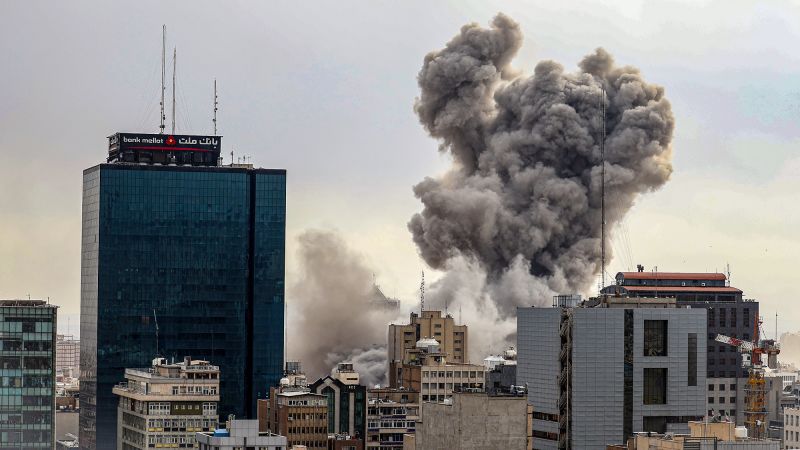
As the fourth day of the escalating conflict unfolds, tensions between the United States, Israel, and Iran have surged, drawing in additional regional actors and intensifying concerns over economic repercussions. The initial strikes by the US and Israel against Iran have now expanded rapidly, with neighboring Arab states facing targeted attacks and thousands of travelers caught in the crossfire. Israel’s simultaneous assaults on Tehran and Beirut on Tuesday morning focused on Iranian military installations and the Iran-backed Hezbollah, while Iran retaliated by striking facilities in nearby countries, including the US embassy in Saudi Arabia.
Strikes and Evacuation Warnings
The US has urged its citizens to depart from a wide expanse of the Middle East through commercial means, though airspace closures have left few options for escape. US President Donald Trump hinted at the conflict’s potential duration, predicting it could last “four weeks,” a clear signal of the anticipated scale. At the Pentagon, Gen. Dan Caine, chairman of the Joint Chiefs of Staff, emphasized that the operation was not a “single, overnight mission,” and that further American casualties were expected.
“The big wave hasn’t even happened, the big one is coming soon,” Trump told CNN’s Jake Tapper, without elaborating on the specifics of the threat.
On Monday, three US military aircraft crashed in Kuwait due to a friendly fire incident, with all six crew members safely ejecting and remaining in stable condition. Meanwhile, Israel escalated its campaign by launching a series of strikes against Lebanon following a Hezbollah provocation. The attacks resulted in over 50 deaths, according to Lebanese authorities, as the nation braced for the fallout of the broader conflict.
Impact on Iran and Regional Alliances
Iranian state media reported that at least 555 people were killed in the joint US-Israeli strikes that began on Saturday, including 168 at a girls’ elementary school. The attacks also claimed the life of Iran’s supreme leader, Ayatollah Ali Khamenei, marking a pivotal moment in the country’s history. Iranians are now grappling with a mix of emotions—relief, disbelief, and apprehension—as the situation unfolds.
Back in Tehran, multiple explosions were reported in the capital, with a hospital in the northern region evacuated after sustaining significant damage. A strike also targeted the Golestan Palace, a UNESCO World Heritage Site, according to state media. The conflict has seen new fronts open, such as when Hezbollah retaliated by firing six projectiles at an Israeli military base in the early hours of Monday, in response to Khamenei’s death.
Strategic Objectives and Regional Escalation
Trump and Israeli Prime Minister Benjamin Netanyahu both asserted that their primary goal was to protect their nations from the imminent threat of Iran, particularly its nuclear ambitions. However, Pentagon briefers later clarified that Tehran had not planned to attack US forces or bases unless Israel initiated hostilities first. The ambiguity of the strikes’ aims persists, even as Trump outlined various scenarios in interviews with media outlets Sunday night.
Regional involvement has grown, with Qatar confirming it shot down two Iranian Su-24 bombers, an event that underscores the expanding scope of the conflict. The country’s defense ministry also noted that its air defenses had mistakenly downed three US jets in Kuwait, though the cause of the incident remains under investigation. Across the Persian Gulf, CNN witnessed missile intercepts over Dubai, Abu Dhabi, and Doha, while Tel Aviv and Jerusalem experienced similar defences against Iranian projectiles.
