OpenAI to Give Trump Administration 5% Stake, FT Reports
Government Equity Discussions and AI Ownership
Sandego.net – OpenAI is reportedly considering offering the Trump administration a 5% equity stake in the company, according to a Financial Times report. This potential agreement would mark a significant shift in how AI firms are structured to include government representation in their leadership and financial decisions. The Financial Times cited two insiders involved in the early discussions, suggesting that the plan is still in development. Other U.S. AI companies may also be expected to share a portion of their equity with the federal government, aligning with broader efforts to harness the economic potential of artificial intelligence.
OpenAI’s proposal comes as the company faces increased scrutiny over its influence in the AI sector. The idea of distributing ownership to the public, including the Trump administration, is intended to ensure that AI innovations benefit society more broadly. However, details of the deal remain unclear, and neither OpenAI nor the White House has officially commented on the matter since CNN’s inquiry. The potential stake would grant the administration a share of the company’s future earnings and decision-making power.
Valuation and Strategic Implications
Based on OpenAI’s recent valuation, a 5% stake would represent approximately $42.6 billion in value, tied to its $852 billion March funding round. This financial commitment highlights the administration’s interest in securing a foothold in the AI industry, which is seen as a critical driver of economic growth. Advocates argue that such a move could help alleviate public skepticism about AI’s role in job markets and national security, fostering greater acceptance of the technology. The deal would also set a precedent for how government and private sector interests intersect in high-impact industries.
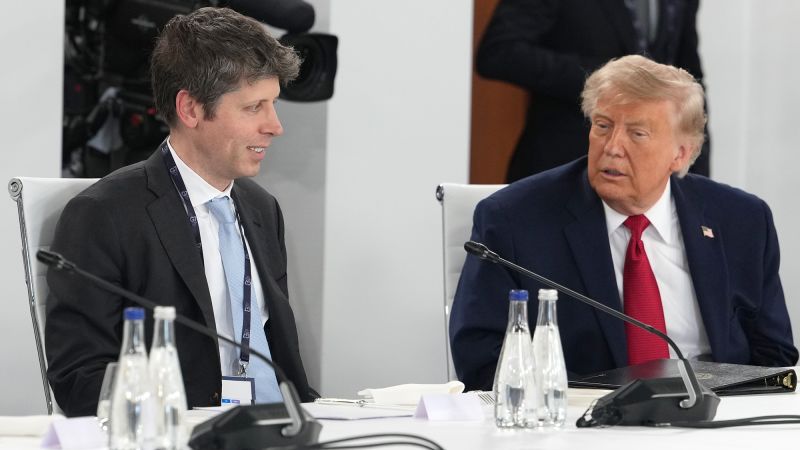
“We believe this would allow citizens to share in the economic opportunities created by AI,” said OpenAI CEO Sam Altman. This statement underscores the company’s goal to integrate public stakeholders into the AI innovation process, ensuring broader societal ownership of the technology’s benefits.
AI Regulation and Industry Collaborations
OpenAI’s discussions with the Trump administration follow recent moves to tighten AI regulation in the U.S. Earlier this month, Trump outlined plans to meet with leading AI executives to explore public ownership models. The White House is also seeking control over the upcoming GPT 5.6 model, requiring its release to be restricted to approved partners. This approach reflects a strategy to balance innovation with oversight, ensuring AI development aligns with national priorities. The administration’s push for equity stakes in tech firms like OpenAI and Anthropic could shape future policies on AI governance and economic distribution.
OpenAI and Anthropic, both preparing for stock market debuts, are under pressure to demonstrate transparency in their operations. The Trump administration’s interest in securing a stake in these companies signals a broader strategy to invest in emerging technologies. This could lead to a new model of public-private collaboration, where government entities play a direct role in funding and guiding AI advancements. Industry leaders may view this as a way to stabilize the sector’s growth while addressing concerns about monopolization and data privacy.
Historical Context and Public Wealth Models
Similar to the Alaska Permanent Fund, which channels state oil revenues into public investments, OpenAI’s proposal could introduce a federal AI wealth fund. This model would allow the government to collect a portion of AI’s economic output and distribute dividends to the public. While the details are still under review, the concept aligns with efforts to ensure that technological progress translates into tangible societal gains. Critics, however, warn that such arrangements could complicate corporate decision-making and lead to political interference in AI development.
The push for public equity in AI firms is gaining traction as governments worldwide seek to capitalize on the sector’s potential. OpenAI’s discussions with the Trump administration, combined with Anthropic’s recent export restrictions, highlight a trend toward government control and shared ownership in cutting-edge technologies. This development may influence how AI companies structure their business models and engage with policymakers, potentially setting a new standard for transparency and public involvement in the industry’s growth.