Tragic Case of Rabies in an Ontario Boy Sparks Concern
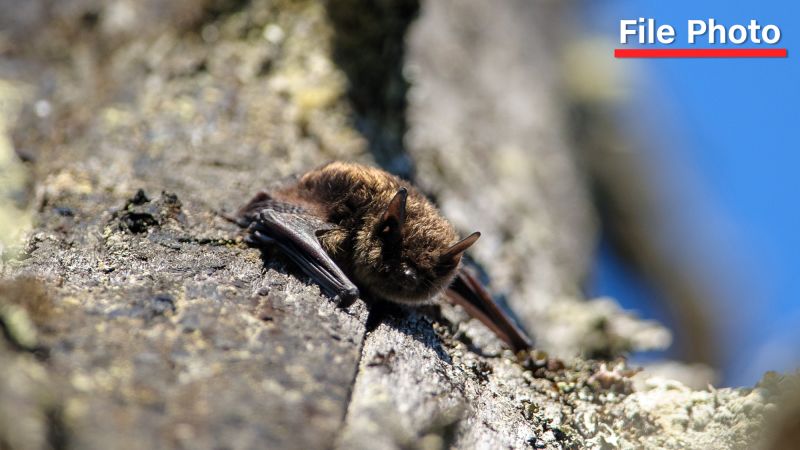
Sandego.net – In a recent medical incident, an 11-year-old Canadian boy lost his battle against rabies, marking a rare and alarming event in the country. The boy’s condition deteriorated rapidly after an unusual encounter with a bat during a visit to a family cottage in northern Ontario in 2024. According to a report published in the Canadian Medical Association Journal, the incident began when the child woke to find a bat perched on his face, prompting a quick reaction from both the boy and his father.
Unseen Danger: A Bat Encounter Without Bite Marks
The boy, whose identity was not disclosed in the report, initially tried to dislodge the bat by smacking it off his face. His father, noticing the situation, captured the animal in a cooking pot before releasing it outside. Doctors from the University of Manitoba’s Department of Pediatrics and Child Health noted that the parents did not seek immediate medical help, as the bat appeared calm and there were no visible bite marks. This oversight proved critical, as the virus had already begun its silent progression.
By the 19th day following the incident, the boy started experiencing strange sensations—tingling and numbness on the right side of his face. These symptoms were later followed by facial swelling and a noticeable loss of appetite. Initially, the family assumed the boy had a viral infection, as the symptoms resembled those of Bell’s palsy. A local urgent care clinic prescribed medication typically used for herpes, further delaying the correct diagnosis.
Rabies Progression: From Mild Symptoms to Critical Condition
Three days after the symptoms first appeared, the boy was admitted to an Ontario hospital emergency department due to severe complications like painful swallowing and vomiting. During the physical examination, doctors discovered ulcers in his gums and a mild nerve impairment affecting facial movement and sensation. The family’s account of the bat incident led the emergency team to alert the local public health authority, but the child was initially diagnosed with herpes gingivostomatitis.
By the following day, the boy’s condition worsened significantly. He returned to the hospital with facial weakness, reduced sensation, and slurred speech. While waiting for admission, he developed additional symptoms such as fever, difficulty swallowing, confusion, and visual hallucinations. By evening, his health had deteriorated so quickly that he required a ventilator and was transferred to the pediatric intensive care unit (PICU). On the fourth day of his hospital stay, a polymerase chain reaction (PCR) test confirmed the presence of the rabies virus.
The Canadian Food Inspection Agency also identified the specific variant of the rabies virus carried by the bat. The boy succumbed to the disease on his 17th day in the hospital, becoming the first documented case of locally acquired rabies in Ontario since 1967. This incident highlights the insidious nature of the virus and the importance of early intervention.
Broader Context: Rabies in North America and Beyond
The boy’s case is not isolated. A California art teacher recently passed away from rabies after a bat entered her classroom, underscoring the virus’s presence in urban settings. Similarly, a man in Illinois died from rabies after waking to find a bat in his room, marking the state’s first human case in nearly 70 years. These events emphasize that rabies remains a significant threat even in regions where it is considered rare.
Rabies is a viral disease that targets the central nervous system, and once symptoms emerge, it is nearly always fatal. The Centers for Disease Control (CDC) notes that fewer than 10 people die from rabies annually in the United States, despite the virus being widespread in wildlife, particularly bats, skunks, and foxes. In contrast, globally, rabies is responsible for tens of thousands of deaths each year, with children under 15 accounting for 40% of victims, as reported by the World Health Organization (WHO) in 2024.
Rabies Transmission and Prevention
The Canadian Veterinary Medical Association (CVMA) explains that rabies spreads through bites, scratches, or when an infected animal’s bodily fluids enter the eyes, nose, mouth, or open wounds. While the virus is uncommon in humans in Canada, the CVMA stresses that cases can occur, particularly in regions where wildlife is prevalent. The boy’s case illustrates the risk of bats, which are the primary source of rabies in the Americas, as noted by the WHO.
Health officials advise that exposure to rabies often occurs 20 to 60 days after contact, though symptoms can appear sooner or later. Early signs typically mimic flu-like conditions, including fever, headache, or weakness. As the disease progresses, it can lead to severe complications such as difficulty swallowing, excessive salivation, muscle spasms, seizures, confusion, and an intense fear of water—a hallmark of rabies.
Preventive measures are crucial in reducing rabies risk. The CVMA recommends keeping pets under supervision, avoiding contact with unfamiliar animals, and reporting any wildlife displaying unusual behavior. These steps can help identify potential carriers before they pose a threat. The boy’s case serves as a poignant reminder of how quickly the virus can escalate, even when initial symptoms seem mild.
Global Impact and Public Health Response
According to the WHO, rabies remains a critical public health concern in over 150 countries, predominantly in Africa and Asia. In these regions, the virus is often transmitted through dog bites, with 99% of human cases linked to domesticated canines. However, in the Americas, where dog rabies is controlled, bats have become the primary vectors. The boy’s case in Ontario highlights the need for heightened awareness of bat-related risks, even in areas where the disease is uncommon.
Since 1924, only 28 human rabies cases have been reported in Canada, but this incident adds a new chapter to that history. The rapid progression of the boy’s illness—from a seemingly benign bat encounter to a fatal outcome—underscores the urgency of recognizing early symptoms and seeking prompt treatment. Public health authorities are now urging Canadians to be vigilant, especially in regions where bats are frequent visitors to human habitats.
Rabies is a preventable disease, yet its lethality after symptoms appear makes it a deadly adversary. The boy’s story, combined with similar cases in the U.S. and beyond, serves as a call to action for communities to implement effective prevention strategies. As the virus continues to spread, education and quick response can make the difference between life and death.