
Ayatollah Khamenei’s iron grip on power in Iran
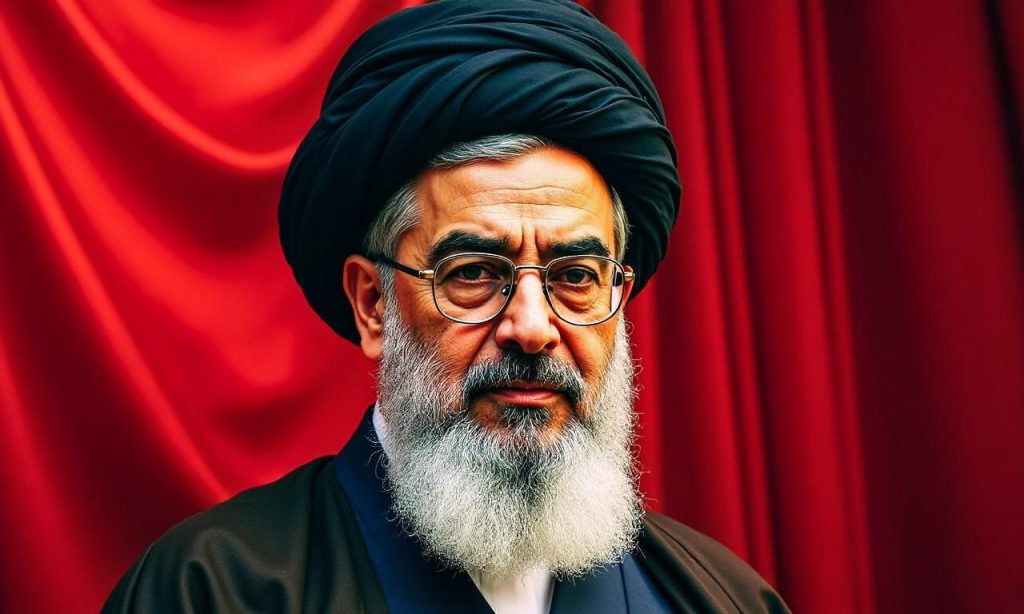
Ayatollah Khamenei’s Iron Grip on Power in Iran
US President Donald Trump declared that Ayatollah Ali Khamenei was killed on the opening day of a major US and Israeli aerial assault on Iran. The 86-year-old leader, who has held power for over three decades, remains unconfirmed by Iranian authorities. His tenure is among the longest in global history, with only two supreme leaders serving since the 1979 Islamic Revolution. The supreme leader’s authority spans both state governance and military command, including the Revolutionary Guards, a critical force in Iran’s political landscape.
From Cleric to Central Figure
Although not a traditional dictator, Khamenei wields immense influence through a system of competing power centers. His ability to veto public policies and select candidates for key positions ensures his dominance. Iranians born into the era of his leadership have never known governance without his presence, with state media omnipresent in documenting his every action. His image adorns public spaces and shops, a testament to his pervasive role in national life.
The Seeds of Leadership
Khamenei’s early years in Mashhad, northeastern Iran, shaped his trajectory. The second of eight children in a religious family, his father was a mid-ranking Shia cleric. Khamenei later described his childhood as “poor but pious,” recalling meals limited to bread and raisins. His education focused heavily on the Quran, and by age 11, he had attained the status of a cleric. Yet, his work extended beyond spiritual duties, intertwining with political activism.
Crisis and Confrontation
The Iran hostage crisis, a defining moment in the revolution’s early days, saw militant students loyal to Khomeini occupy the US embassy. Hostages were held for 444 days, an event that bolstered Iran’s anti-American stance. Khamenei, as a key revolutionary figure, endorsed the students’ demands against the US’s support for the deposed Shah. Shortly after, he narrowly escaped an assassination attempt, surviving a bomb planted in a tape recorder during a lecture. The attack left him with lasting injuries, including permanent loss of his right arm.
War and Resilience
Following the revolution, Iran faced an eight-year war with Iraq, sparked by Saddam Hussein’s fear of the Islamic regime’s spread. Khamenei, during this period, became a wartime strategist, often leading from the front. The conflict saw chemical attacks on Iranian border villages and missile strikes on cities, including Tehran. Iran’s forces, composed of fervent young volunteers, relied on human waves to counter Iraqi advances. This war deepened Khamenei’s distrust of the West, which had backed Saddam’s regime. His inaugural speech emphasized opposition to “deviation, liberalism, and American-influenced leftists,” setting a tone of ideological rigidity.
A Legacy of Uncertainty
Khamenei’s survival of an assassination attempt in 1981 and his subsequent election with 97% of the vote solidified his position. The revolution’s anti-American ethos, reinforced by events like the hostage crisis and war, has left Iran isolated internationally. His death, if confirmed amid the recent strikes, could signal a seismic shift in the country’s leadership and regional dynamics. The future remains unclear, as the vacuum of power may reshape Iran’s trajectory.
