
Slow genocide: Death and displacement continue in Gaza months into ceasefire
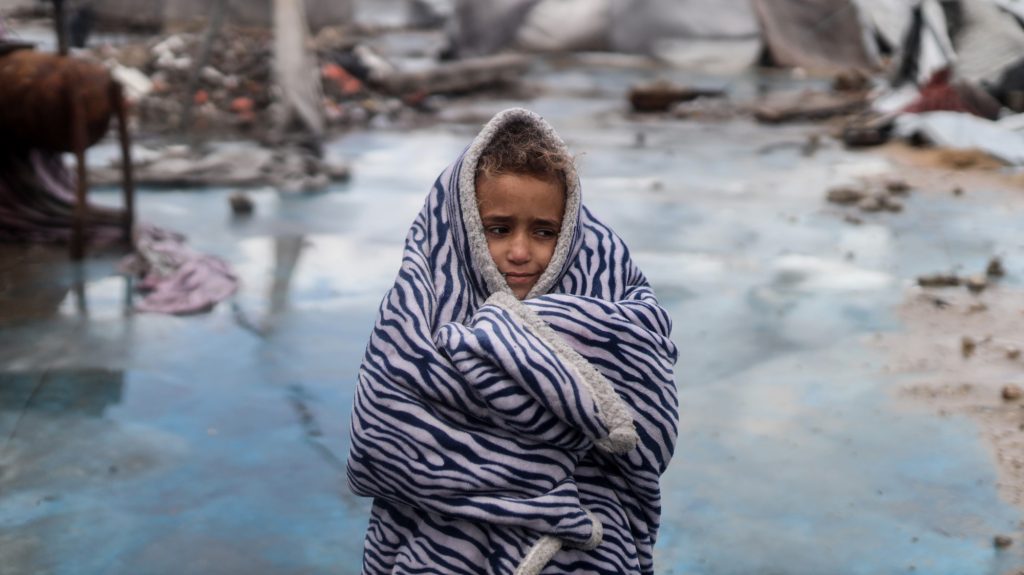
Slow genocide: Death and displacement continue in Gaza months into ceasefire
The ceasefire has halted most of the bombardments, yet the cancer consuming Najat Sayed al-Hessi’s body persists. Despite the pause in hostilities, the disease remains unchecked, worsening for patients like her.
At 61, Sayed al-Hessi has endured 27 months without a single dose of her essential cancer medication. “Nothing has changed for cancer patients in Gaza since the ceasefire,” she said to Middle East Eye, reflecting the ongoing struggle.
“I had an appointment to travel to Ramallah for my medication and injection on 7 October 2023, the day the war began. I couldn’t go that day, and I have been waiting ever since.”
Medical referrals outside Gaza have ceased since the war began, leaving local hospitals unable to offer even basic care for cancer patients. “I fear the disease is advancing in my body with each passing day,” al-Hessi added, highlighting the severity of the situation.
A broader crisis of survival
Al-Hessi’s experience mirrors the larger crisis in Gaza, where nearly two million people still face dire conditions three months after the ceasefire. The Palestinian health ministry confirmed that Israeli restrictions have caused critical shortages across the medical system.
As of November, 56 percent of essential drugs, 68 percent of medical consumables, and 67 percent of laboratory supplies were unavailable. Screening services have also disappeared, preventing patients from understanding the extent of their illness.
“The last time I saw a doctor, he told me the cancer may have reached my lungs. I am dying slowly.”
Dr Muhammad Abunada, head of the Gaza Cancer Centre, noted a 70 percent shortage of cancer medications and painkillers. “The remaining 30 percent are largely ineffective, as patients often require multiple drugs to manage their conditions,” he explained.
Before the war, one cancer patient died per day in Gaza. Now, two or three die daily, largely due to lack of treatment and limited access to medical evacuation. This trend extends beyond cancer, with research showing increased mortality rates across the population.
Enduring threats in a quieter war
Unicef’s data reveals a 75 percent rise in newborn deaths at birth during the final three months of the war. Between July and September, an average of 47 monthly fatalities were recorded, nearly double the 27 deaths seen in 2022.
Though military attacks have eased, Israeli bombardments and gunfire continue to kill Palestinians daily. Meanwhile, dozens of families remain under threat of displacement, with homes lost to ongoing incursions and land annexation.
“We are still living under the same threats and circumstances, only with less noise,” said al-Hessi, encapsulating the persistent challenges in Gaza’s post-ceasefire reality.
