US Postal Service Cannot Carry Out Trump’s Mail Ballot Directive, Judge Rules
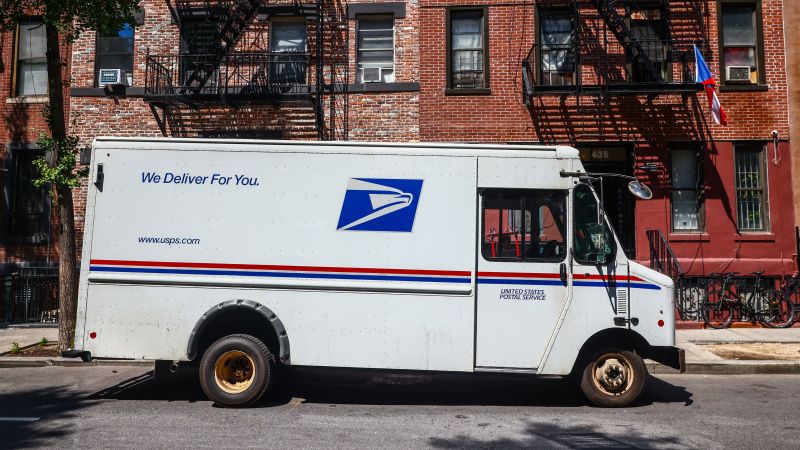
Sandego.net – A federal judge has issued a ruling that prevents the US Postal Service (USPS) from implementing President Donald Trump’s executive order on mail ballot delivery. The decision, handed down by US District Judge Emmet Sullivan in Washington, D.C., found that the proposed rule would breach a 2020 settlement agreement. The case, originally filed by the NAACP, challenged USPS policy adjustments that slowed mail delivery during the 2020 pandemic elections. The settlement mandated that the agency prioritize Election Mail and publish clear guidelines to ensure timely ballot delivery, with the court overseeing compliance. The ruling effectively halts Trump’s directive, which sought to restrict mail ballot processing based on state adherence to specific criteria.
“The Proposed Rule violates paragraph 2 of the Agreement because the Postal Service cannot post documents reflecting ‘practices and policies for prioritizing the monitoring and timely delivery of Election Mail’ if its policies provide that it will not accept ‘noncompliant mailing’ and therefore will not deliver mail-in or absentee ballots to some voters,” Judge Sullivan wrote in the decision.
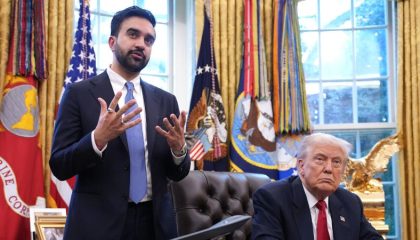
Trump’s directive, issued in March 2026, required the USPS to transmit mail ballots only to states that provided certified lists of their voters and followed additional protocols. The goal was to ensure uniformity in mail voting procedures, but critics argued it could lead to voter suppression. The judge’s ruling expands the scope of the legal challenge, blocking the order nationwide rather than limiting it to the 24 states that had previously contested it. This move underscores the growing tension between federal oversight and state autonomy in election administration.
Implications of the Ruling
The decision has significant consequences for the 2026 election process. By stopping the USPS from enforcing Trump’s directive, the ruling preserves the flexibility of states to manage their own mail ballot systems. However, it also raises concerns about the potential for delays in ballot processing, particularly in areas with limited resources. The USPS is now required to maintain its current protocols for prioritizing Election Mail, ensuring that all eligible voters receive ballots on time. Legal experts suggest this could prevent a shift toward centralized control of voting logistics, reinforcing the role of state governments in managing electoral procedures.
One of the key elements of Trump’s plan was the requirement for mail ballot envelopes to include individualized barcodes for tracking. While this could enhance transparency, it also imposes additional costs and administrative burdens on states. The ruling means these barcodes are no longer mandatory, easing logistical challenges for jurisdictions that rely on mail voting. Critics, including the NAACP, argue that the directive might have enabled aggressive voter purges, and its reversal could protect voting rights by allowing states to maintain their own oversight mechanisms.
Background of the Legal Dispute
The legal battle began in 2020 when the NAACP sued the USPS over changes to its mail delivery policies. The agency had modified operations to prioritize Election Mail, but opponents claimed this created disparities in ballot access. A settlement in 2021 established guidelines for the USPS to follow, including the requirement to provide detailed policies for timely delivery. The agreement also gave the court the authority to review compliance, ensuring no state would be unfairly excluded from the voting process due to logistical constraints.
Judge Sullivan’s ruling reaffirms the settlement’s requirements, emphasizing that the USPS must continue its commitment to equitable ballot distribution. The decision also highlights the importance of balancing federal efficiency with state flexibility. While the USPS is now free to operate under its existing guidelines, the directive’s reversal means mail ballot systems remain in the hands of individual states. This could lead to a more diverse approach to mail voting, with some states adopting stricter protocols and others maintaining more lenient ones. The outcome may shape the broader debate over election integrity and voter access in the coming months.