Johnson Abandons Floor Agenda Amid GOP Rebellion
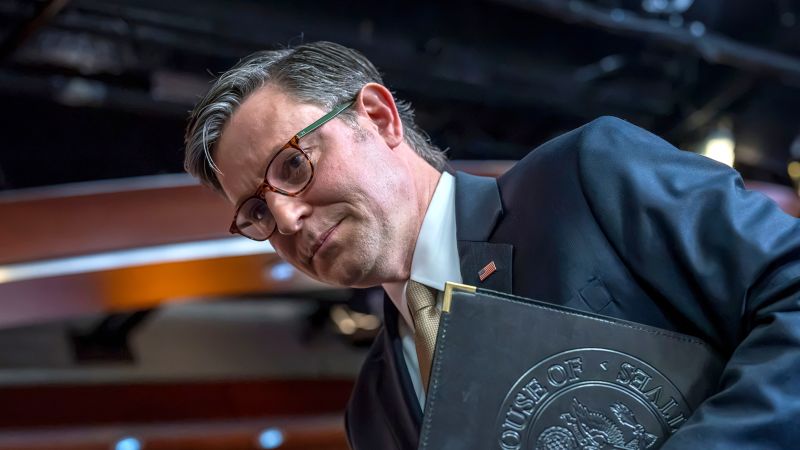
Sandego.net – Speaker Johnson’s decision to abandon the House floor agenda has sparked significant disruption within the Republican Party. Mike Johnson, the House speaker, faced mounting pressure from hardline conservatives who demanded a shift in legislative priorities, leading to a split in party leadership. The move to send members home early this week marks a pivotal moment in the GOP’s internal dynamics, as Johnson’s authority comes under scrutiny. This development follows a series of challenges, with the speaker now navigating a turbulent political landscape that threatens to derail key legislative goals.
Rising Tensions in the GOP Leadership
The rebellion, spearheaded by Rep. Anna Paulina Luna of Florida, has forced Johnson to prioritize procedural battles over substantive policymaking. Luna and her allies have blocked the advancement of the House’s agenda, insisting that President Donald Trump’s federal elections overhaul bill must be central to the party’s efforts. By Tuesday, the coalition’s demands had escalated, leaving Johnson without a clear strategy to maintain control. The standoff highlights a growing divide between moderates and hardliners, with the former feeling sidelined in the process.
Johnson’s team had hoped to secure approval of the defense bill before the August recess, but the rebellion created a stalemate. As the speaker struggled to rally support, members of his own party grew increasingly impatient with delays. “We have the smallest margin in US history,” Johnson remarked, underscoring the precarious balance of power. His frustration is compounded by the perception that procedural rigor is being weaponized to stall progress, with Luna’s tactics seen as a strategic move to assert control over the chamber’s proceedings.
Impact on Legislative Planning
The adjournment of the House until mid-July has compressed the remaining session time, leaving Republicans with limited opportunities to pass major bills. The elections overhaul, a key component of Trump’s agenda, now hangs in the balance. GOP leaders had aimed to finalize the bill by mid-July, but the rebellion has disrupted that timeline. The abrupt departure of members from Washington signals a deepening rift, as some lawmakers believe their votes are being leveraged for partisan gain rather than collective progress.
Rep. Troy Nehls, a moderate Republican, expressed concern over the lost momentum, noting the missed chance to achieve a major legislative win before the midterms. “We have both chambers, and … we’re squandering time away,” he said, emphasizing the urgency of passing the bill. Meanwhile, Luna and her allies argue that their actions are a necessary defense of constitutional principles, framing the rebellion as a stand against what they see as executive overreach. This ideological clash has turned into a symbolic battle for the party’s direction.
“I’m not stupid. I’m going to fight on behalf of the American people,” Luna declared, highlighting her determination to see procedural reforms enacted. Her coalition insists that the House floor agenda must reflect their vision for the party, even if it means halting progress on other priorities. However, when Johnson’s team refused to amend the defense bill to include Trump’s voter ID measures, the rebels remained resolute, refusing to compromise. This standoff has turned the House into a battleground for competing visions of Republican governance.
Johnson’s inability to reconcile with the rebellion has raised questions about his leadership. With the GOP increasingly fragmented, the speaker faces pressure to adapt or risk losing influence. The situation underscores the challenges of managing a divided party, as moderates and hardliners clash over the speed and direction of legislative action. As the August recess approaches, the stakes for Republicans have never been higher, with the potential for long-term consequences on their political strategy.