Trump claims a glorious win streak — but history is keeping score
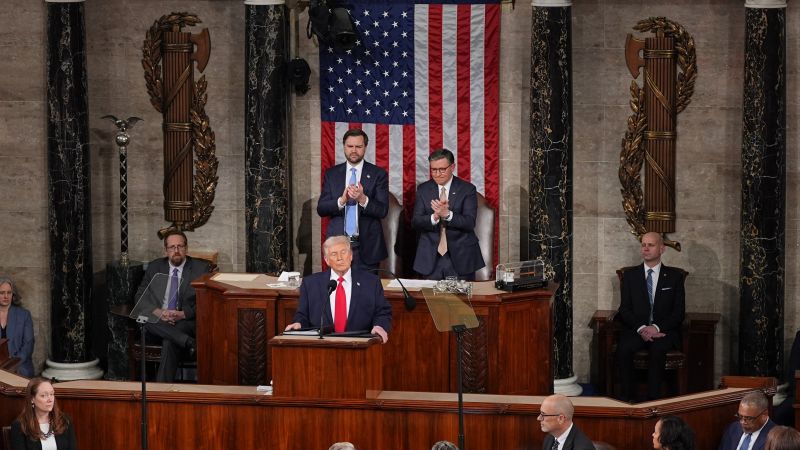
Sandego.net – President Donald Trump, in his February State of the Union address, delivered a fresh take on a familiar refrain. “Please, please, please, Mr. President, we’re winning too much; we can’t take it anymore,” he declared, implying that some Americans were overwhelmed by the sheer magnitude of his administration’s achievements. This year, as the Supreme Court concludes its summer of landmark rulings, Trump is celebrating what he calls his most significant victory: a policy to restore American greatness for its 250th anniversary. Yet, as his second term deepens, the court’s decisions and the political landscape are quietly reshaping the narrative of his impact.
Supreme Court Decisions: A Mixed Bag of Triumphs and Constraints
Trump’s political maneuvering has increasingly relied on the Supreme Court’s right-wing majority, which has amplified his power in certain areas while tempering it in others. The justices, much like Trump, envision a more assertive executive branch, and this alignment has allowed the president to secure victories on key issues such as immigration. However, their rulings have also exposed limits to his ambitions, particularly when constitutional principles challenge his unilateral authority.
“We keep that promise today,” Chief Justice John Roberts wrote for the majority in a decision that struck down Trump’s executive order to end birthright citizenship, underscoring the 14th Amendment’s intent to ensure equal rights for all Americans.
This ruling, along with the court’s earlier decision to limit Trump’s ability to impose tariffs without congressional approval, marks a pivotal moment. While the justices have repeatedly tilted in his favor on immigration policies—helping him solidify his electoral successes—they have also curbed his drive for expansive executive control. For instance, last week’s decision restricted the role of courts in reviewing cases of individuals granted temporary protected status from nations like Syria and Haiti, reinforcing Trump’s vision of a streamlined immigration system.
Another notable win for the White House came when the justices approved the revival of a controversial policy targeting asylum claims at ports of entry. This move, which aligns with Trump’s strategy to reduce border crossings, has been hailed as a triumph for his administration’s approach to immigration enforcement. However, the court’s willingness to defer to executive authority raises questions about its long-term alignment with the constitutional balance of power.
Republican Party Dynamics: A Legacy in Cement and Marble
Trump’s influence over the Republican Party remains profound, though signs of his grip weakening have emerged. His dominance in primary elections has left a trail of defeated opponents, many of whom he has cast as threats to his vision. Yet, the GOP’s majority in the House has shown restlessness, with recent tensions suggesting a potential fracture in his political coalition. The party’s internal divisions are compounded by the Senate’s resistance to his agenda, particularly regarding efforts to reshape the voting landscape through a controversial law targeting midterm elections.
Despite these challenges, Trump continues to project authority, both within his party and beyond. His claim of a “glorious win streak” includes victories in maintaining a strong grip on the Republican base, even as some lawmakers push back against his policies. The Senate’s anti-Trump faction, however, has managed to block key initiatives, highlighting the growing complexity of his legislative strategy.
Internally, the Republican Party is navigating a delicate balance. While Trump’s supporters remain loyal, the broader party is grappling with the fallout from his administration’s policies. The House’s recent debates over budget allocations and procedural rules reflect a shift in power dynamics, with some members hesitant to fully endorse his vision for the future of American governance.
Global Leadership: Power and Isolation
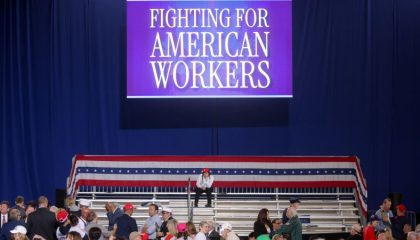
On the international stage, Trump asserts a renewed sense of American dominance, claiming global respect and admiration for the nation’s stature. “We’re respected by everybody. Nobody’s laughing at us anymore,” he proclaimed at the opening of the Great American State Fair last week, emphasizing that the United States is once again the world’s most powerful force. Yet, this narrative is complicated by the reality of his foreign policy.
One of Trump’s most cited achievements is the special forces raid that captured Venezuelan leader Nicolás Maduro, which he frames as a testament to America’s military prowess. However, this success has not prevented the nation from entering a prolonged conflict with Iran, a war that began with tactical victories but has since stalled. The memorandum of understanding to end the war, signed by Trump, has been criticized for granting Iran substantial benefits with minimal concessions, leaving the U.S. in a position of relative disadvantage.
While Trump highlights increased defense spending by NATO allies as a sign of his success, experts caution that this progress is fragile. At the upcoming NATO summit in Turkey, he will likely tout the alliance’s commitment, but tensions remain over the U.S. and its allies’ adherence to pledged spending targets. The “Trump Trillion,” a term used by Secretary General Mark Rutte to describe the administration’s push for defense commitments, underscores this delicate situation.
Ultimately, Trump’s claim of an unprecedented win streak overseas hinges on the perception of American power, even as his policies have drawn criticism. The special forces operation in Venezuela is a case in point, symbolizing both his assertiveness and the unpredictability that has become his hallmark. Whether this translates to lasting influence or further isolation remains to be seen.
The Long Game: Will Trump’s Wins Outlast His Term?
As Trump’s second term progresses, the question of his legacy looms larger. While he has achieved notable successes in reshaping the Supreme Court and the Republican Party, the endurance of his policies will be tested by time. Some of his initiatives, such as the birthright citizenship rule and the trade policies, have already sparked legal and political challenges, suggesting that the full impact of his achievements may not be immediately apparent.
Historians will likely evaluate Trump’s presidency against the backdrop of broader trends in American governance. His ability to position himself as a transformative leader, even amid controversy, may shape how his tenure is remembered. Yet, the balance between his rhetorical triumphs and the practical realities of his policies will determine whether his “glorious win streak” is seen as a lasting legacy or a fleeting moment of political momentum.
In the end, the court, the legislature, and the global community are all playing roles in scoring Trump’s political performance. While he continues to spin narratives of success, the factual record is a mix of achievements and setbacks, a testament to the complexities of leadership in a rapidly changing world.