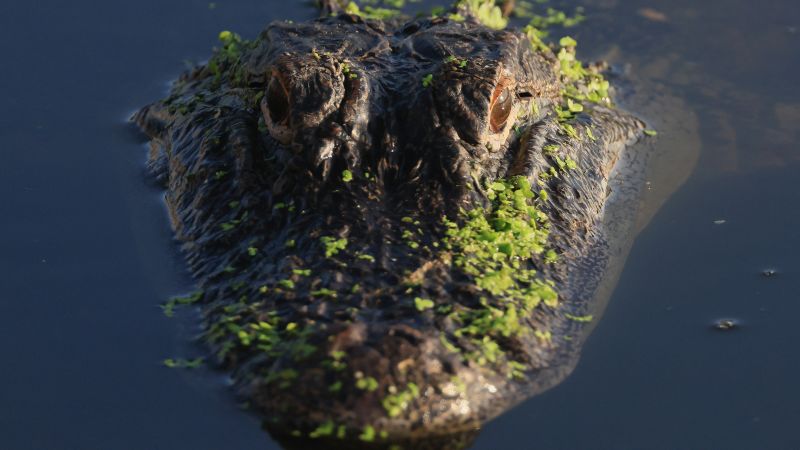
Alligators Injure Three, One Fatally, in Florida Attack Spree
Recent Incidents Highlight Rising Concerns
Sandego.net – In the span of a week, multiple alligator attacks have shaken communities across central Florida, with one incident proving fatal. According to reports from CNN affiliate WESH, the most recent attack occurred on Sunday afternoon near the Econlockhatchee River, approximately 10 miles north of Orlando. A 31-year-old woman was severely injured during a casual swim with her boyfriend and friend when an alligator lunged at her. The Florida Fish and Wildlife Conservation Commission (FWC) confirmed the attack, stating that the woman suffered bites to both arms before being taken to a hospital, where she later succumbed to her injuries.
A Critical Turn of Events
The woman’s boyfriend attempted to pull her from the alligator’s jaws, according to officials. The 911 call recorded at the scene described the injuries as “horrible,” emphasizing the severity of the attack. Meanwhile, the FWC team captured a 13-foot alligator at the site and a 12-foot one nearby, suggesting either could have been responsible for the incident. These captures were part of the agency’s efforts to identify and neutralize potential threats, as stated in a press briefing.
Other Attacks in the Region
Just 24 hours prior, a different incident unfolded at Nelson’s Fish Camp in Marion County. A boy was bitten on his hand while fishing with his father, as reported by WESH. The same news outlet noted that a snorkeler had been attacked on June 21 at Rainbow River, located about 100 miles from the fatal incident in Seminole County. The proximity of these events has raised questions about the growing frequency of alligator encounters with humans.
Florida’s Alligator Population and Safety Measures
Florida is home to an estimated 1.3 million alligators, a figure that underscores the state’s natural presence of these creatures. Despite their numbers, attacks on people remain uncommon. The FWC reports that the average annual number of unprovoked bites is around eight, with the agency operating a statewide program to address complaints about specific alligators deemed hazardous. This initiative helps track high-risk individuals and implement measures to protect both humans and wildlife.
Rising Trends in Human-Alligator Conflicts
While the majority of interactions between humans and alligators are non-lethal, the recent string of incidents has drawn attention to the increasing likelihood of serious encounters. The FWC noted that three attacks in seven days is a significant spike, though still relatively rare. The Econlockhatchee River attack, however, stands out due to its fatality. Authorities temporarily closed the river after the first incident, a precautionary measure that highlights the urgency of such threats.
Expert Analysis on Risk Factors
A study by researchers at the University of Florida and Centre College in Kentucky revealed that high-risk behaviors—such as entering waterways known to harbor alligators—correlate with the majority of fatal attacks. Since 1948, Florida has documented over 450 alligator attacks, with only 30 resulting in death. The data shows that while the overall risk is low, certain activities, like swimming or snorkeling, can escalate the danger.
Impact of the Attacks on Public Awareness
The recent incidents have prompted discussions about how to mitigate risks in alligator habitats. Dr. Frank Mazzotti, a professor of wildlife ecology at the University of Florida and co-author of the study, emphasized the importance of situational awareness. “Many bites can be prevented if humans are aware of their surroundings and minimize risky behaviors,” Mazzotti stated when the findings were published last year. His insights align with the FWC’s focus on educating residents about safe practices in areas where alligators are prevalent.
Comparative Data and Historical Context
In 2025, Florida recorded 13 alligator attacks, including two fatalities. Of these, eight resulted in major injuries, while five were classified as minor. This year’s numbers have already exceeded the annual average, raising concerns about whether the trend is temporary or indicative of a broader shift. The FWC’s program, which addresses complaints about specific alligators, has been instrumental in identifying and relocating potentially dangerous individuals.
Community Reactions and Safety Protocols
Residents in affected areas have expressed heightened alertness. Leia Vieira, a hiker who witnessed the latest attack, told WESH, “I’ve seen really big gators in here. I’ve never heard of an attack, though.” Her comment reflects the surprise many feel at the sudden increase in incidents. Authorities have since implemented additional safety protocols, such as increased patrols and public advisories, to prevent further attacks.
Broader Implications for Wildlife and Human Coexistence
The FWC’s efforts to balance human activity with alligator conservation highlight the challenges of living in gator country. While the state averages eight unprovoked bites annually, the recent surge suggests that factors like habitat encroachment or changing environmental conditions may be at play. The agency’s capture and euthanization of the 8-foot-7-inch alligator that bit the boy demonstrates a proactive approach to managing threats.
Call for Continued Vigilance
As the incidents continue to unfold, experts stress the need for ongoing education and vigilance. Dr. Mazzotti’s study underscores that informed choices—like avoiding waterways during peak hours or using protective gear—can reduce the likelihood of attacks. The FWC also encourages residents to report any sightings of aggressive alligators, ensuring swift action to safeguard both people and wildlife.
Looking Ahead: A Test of Preparedness
With the summer months approaching, the risk of alligator encounters is expected to rise. The FWC and local authorities are working to maintain public safety while preserving the ecosystem. The recent events serve as a reminder of the delicate balance between human recreation and the natural instincts of these predators. As the community adapts to the new reality, the focus remains on preventing future tragedies through education, monitoring, and swift response.
Conclusion: A Call for Awareness
The three attacks in central Florida, though rare, have sparked renewed interest in alligator safety. The fatal incident on Sunday and the others in the preceding days illustrate the potential dangers of close proximity to these animals. By understanding the patterns and implementing preventive measures, Florida aims to ensure that its residents can enjoy the outdoors without unnecessary risk. The FWC’s continued efforts and expert guidance will be critical in addressing this growing concern.