Supreme Court Takeaways: Trump’s Firing Power and Fed Protection
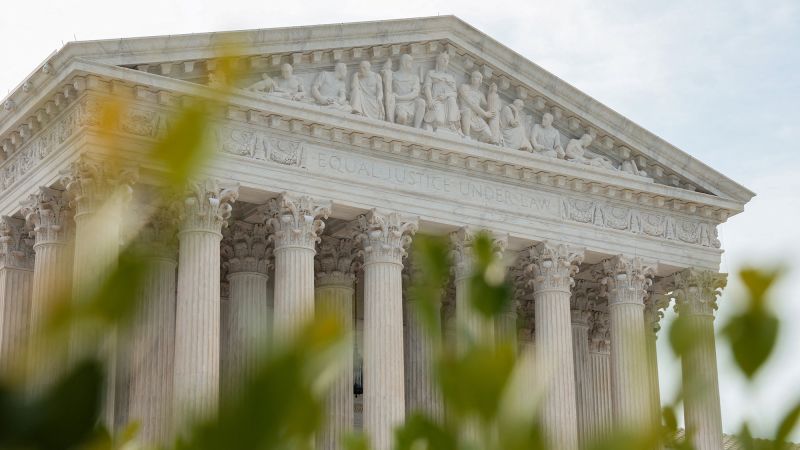
Sandego.net – In a significant shift, the Supreme Court’s recent rulings have altered the balance of power within the U.S. government. The decision centers on **takeaways from the Supreme Court** regarding executive authority, highlighting both the expansion of presidential control over federal agencies and the preservation of key institutional safeguards. The court’s actions, taken during Trump’s second term, address the president’s ability to remove officials from independent agencies like the Federal Trade Commission (FTC) and the Federal Reserve (Fed). These rulings offer **takeaways from the Supreme Court** on how executive power can now be exercised with fewer constraints, while also reinforcing the Fed’s autonomy in financial matters. The implications of these decisions stretch beyond legal formalities, touching on governance and the future of regulatory independence.
Executive Authority Reinvented
The most consequential ruling allowed President Donald Trump to unilaterally remove agency heads without proving cause for their dismissal. This overturned a 1935 precedent that required presidents to establish a rationale for such actions, effectively granting them broader leeway to reshuffle leadership in independent bodies. The 6-3 decision, split along ideological lines, emphasized the president’s role as the ultimate authority, with Chief Justice John Roberts arguing that “subordinates who exercise the president’s power are subject to removal by him.” This **takeaways from the Supreme Court** marks a pivotal moment in the legal landscape, where the executive branch’s reach now extends further into administrative governance.
“The president’s power is not limited by the mere formality of proving cause,” Roberts wrote, underscoring the shift toward a more flexible approach to leadership changes in agencies like the FTC.
The ruling has sparked debate over its impact on checks and balances. While supporters claim it strengthens presidential accountability, critics warn of a potential erosion of institutional independence, leaving agencies vulnerable to political influence. This **takeaways from the Supreme Court** underscores the tension between centralized authority and the need for oversight in critical policy areas.
Fed’s Independence Safeguarded
Contrasting the FTC ruling, the court’s decision on the Federal Reserve provided a more cautious interpretation of executive power. Trump sought to remove Fed Governor Lisa Cook, alleging mortgage fraud, but the justices ruled that the president must meet a higher standard of evidence to justify such a move. This **takeaways from the Supreme Court** reinforced the Fed’s role as an independent entity, ensuring its ability to maintain monetary stability without direct political interference. The decision, however, left room for future challenges, as the court acknowledged the importance of the Fed’s autonomy in shaping economic policy.
Justice Sonia Sotomayor’s dissent in the Fed case warned of “only chaos” in the removal process, arguing that the ruling could destabilize the regulatory framework. Meanwhile, Justice Samuel Alito’s sharp critique of Sotomayor’s arguments highlighted the ideological divide among the justices. This **takeaways from the Supreme Court** decision reflects a nuanced legal strategy, balancing executive authority with institutional protections in a way that preserves the Fed’s independence while expanding presidential reach elsewhere.
Broader Implications for Governance
These rulings signal a broader trend in how the Supreme Court interprets the separation of powers. By allowing Trump to fire FTC chair Rebecca Kelly Slaughter without explicit cause, the court has signaled its support for a more streamlined executive process. However, in the Fed case, the justices applied stricter scrutiny, requiring substantial proof of wrongdoing. This **takeaways from the Supreme Court** distinction raises questions about the consistency of legal standards and the potential for selective enforcement of executive authority. As the administration moves forward, the implications for federal agencies and their ability to operate independently will likely shape future policy debates.
The decisions also intersect with Trump’s broader political agenda, including efforts to limit mail-in voting and assert control over electoral processes. While the Supreme Court upheld states’ rights to count ballots received after Election Day, it did so without addressing the specific claims against Trump’s policies. This **takeaways from the Supreme Court** reveals a complex interplay between judicial oversight and executive influence, as the court navigates the boundaries of power in a politically charged environment.
Legal Precedents and Future Challenges
The court’s rejection of the 1935 precedent in the FTC case sets a new legal standard, potentially enabling future presidents to remove agency heads with minimal justification. This **takeaways from the Supreme Court** could have long-term consequences for how independent agencies function, as they may now be more susceptible to political shifts. Meanwhile, the Fed case maintained a higher bar for removal, ensuring that financial regulators retain a degree of independence. These contrasting outcomes demonstrate the court’s role in shaping the balance between executive power and institutional autonomy, a theme central to the **takeaways from the Supreme Court** in the current administration’s legal battles.
As the rulings take effect, they will influence the strategies of both the executive branch and federal agencies. The **takeaways from the Supreme Court** decision not only redefines the limits of presidential authority but also sets the stage for ongoing legal challenges, particularly in areas where independent oversight is critical. This shift in judicial interpretation underscores the importance of **takeaways from the Supreme Court** in shaping the trajectory of American governance in the years ahead.