Russia is burning, but don’t expect Putin to blink
Sandego.net – In Moscow, frustrated drivers endure long waits for fuel, a stark contrast to the city’s usual energy abundance. The capital, once a symbol of Russia’s oil and gas dominance, now faces acute shortages that have left citizens scrambling. CNN’s Zahra Ullah observed the chaos at a gas station on the outskirts of the city, where vehicles lined up for hours. This situation is unprecedented in a nation that has long insulated its urban centers from the disruptions of the Ukraine war. Yet, as the conflict enters its fifth year, the toll of the war is finally reaching Moscow’s streets, challenging the Kremlin’s narrative of a “special military operation” as a distant, manageable crisis.
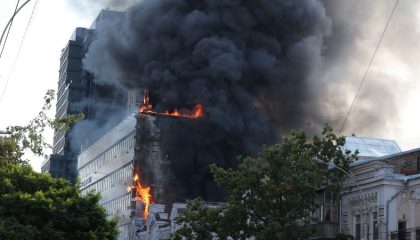
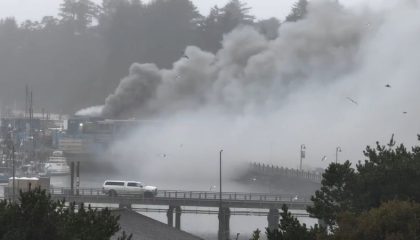
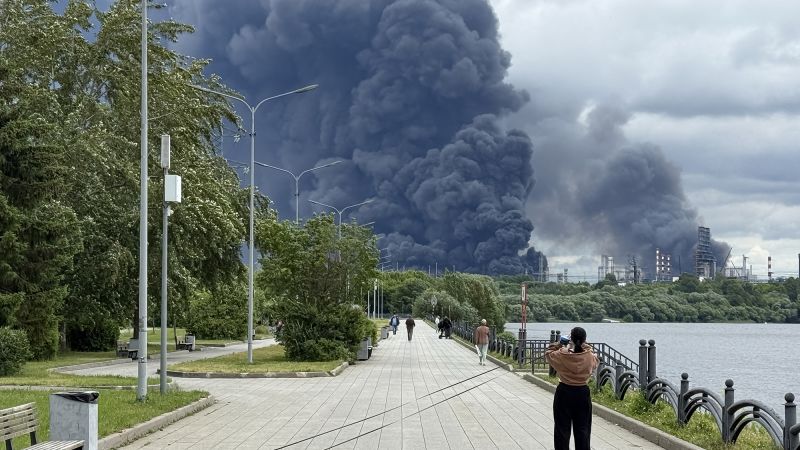
The shift in momentum is largely due to Ukraine’s escalating drone attacks, which have intensified over the past month. On a single night last week, Russia reported intercepting 660 drones across 12 regions—a record number that underscores the scale of the assault. These strikes target critical infrastructure, including refineries, oil terminals, naval vessels, and weapons plants deep within Russian territory. The strategy is deliberate, aimed at eroding the war economy that has sustained Moscow’s military efforts since 2022. For the first time, the economic strain is becoming visible, with independent media documenting rising queues at fuel stations and growing uncertainty among citizens.
Even in Crimea, annexed by Russia in 2014, the situation has worsened. Fuel sales were temporarily suspended as the peninsula entered a state of emergency, signaling the war’s broader reach. Putin, who typically downplays setbacks, convened an emergency meeting this weekend to address the crisis. During the session, he admitted that gasoline reserves have been depleted to alarming levels. “You are well aware that problems for drivers and for businesses persist,” he stated to his senior officials, a rare acknowledgment of the hardships facing the population. The leader also noted that queues at gas stations remain a persistent issue, a reality that authorities had previously tried to obscure.
The Kremlin’s vulnerabilities are now more apparent. Putin’s decision to consider a complete diesel export ban marks a significant departure from his earlier stance. His deputy prime minister had recently dismissed such a move as unnecessary, but the president’s reversal suggests a growing awareness of the crisis. “We must reduce to a minimum the impact of terrorist attacks on our civilian targets and infrastructure,” he warned, a carefully crafted statement that reflects both urgency and strategic calculation. This admission has sparked renewed optimism among Russia’s Western critics, who argue that the war is no longer an unbroken tide in Moscow’s favor.
The irony of the situation is not lost on analysts. For years, Russia’s deliberate destruction of Ukraine’s energy infrastructure—power stations, substations, and heating plants—was a key component of its strategy to weaken civilian morale. Now, Ukraine has mirrored this approach, targeting Russian refineries and oil facilities to disrupt the war effort. The result is a reversal of fortunes, with Russians experiencing the same hardships their Ukrainian counterparts endured. This shift has begun to pressure Moscow’s war machine, as fuel shortages stall military operations and strain the economy.
Western officials have noted the impact of these attacks. At the Group of Seven summit in France earlier this month, European Commission President Ursula von der Leyen declared, “The tide is turning for Ukraine. The situation in 2026 is very different from 2025. Russia’s fatigue is openly showing.” Her words reflect a broader consensus that Ukraine’s drone campaign has not only weakened Russia’s energy supply but also its ability to sustain prolonged combat. A recent report by the Council on Foreign Relations highlighted how the escalation of aerial strikes contributed directly to Ukraine reclaiming 78 square miles of territory in February, reversing a trend of Russian territorial gains that had dominated the war’s early stages.
“The tide is turning for Ukraine,” said European Commission President Ursula von der Leyen at the G7 summit. “The situation in 2026 is very different from 2025. Russia’s fatigue is openly showing. That’s the time to double down on our support.”
Even the tone of U.S. President Donald Trump appears to have shifted. At the G7 summit, he suggested that Russia should consider a deal, a departure from his earlier rhetoric of unyielding support for Kyiv. Days later, in Washington, he praised Ukrainian President Volodymyr Zelensky, calling him “courageous” and “doing pretty well” in the war. This warmer assessment highlights a growing acknowledgment of Ukraine’s resilience and the mounting pressure on Russia to adjust its strategy.
As the war enters its fifth year, the economic and logistical challenges facing Russia are becoming harder to ignore. The drone campaign has not only targeted military assets but also critical supply chains, forcing the Kremlin to divert resources and attention from its broader goals. While Putin remains steadfast in his rhetoric, the visible strain on everyday life—long fuel lines, suspended exports, and a drained reserve system—suggests that the war’s toll is beginning to show. Whether this will lead to a political shift remains to be seen, but the fact that ordinary Russians are now feeling the direct consequences of the conflict signals a new phase in the war’s trajectory.
Analysts warn that the pressure on Moscow is far from over. With Ukraine’s attacks continuing to disrupt energy production and transportation, the Kremlin must find ways to stabilize its supply chain and maintain its war effort. Yet, the cracks in Russia’s narrative are widening, and the once-unshakable image of a powerful, self-sufficient state is being challenged. As fuel shortages persist and economic costs mount, the question is no longer if Putin will adapt—but how quickly he can do so before the pressure becomes insurmountable.