
Speaker Johnson sends housing bill to White House after Trump refused to sign measure
Sandego.net – On Monday, House Speaker Mike Johnson took the crucial step of forwarding Congress’ bipartisan housing legislation to the White House, according to a spokesperson. This move marked the beginning of a 10-day window for the bill to become law, regardless of whether President Donald Trump chooses to sign it. The timing of the transmission created a sense of urgency, as lawmakers anticipated a potential showdown between the executive and legislative branches over the measure’s fate.
Johnson’s action followed a series of tense negotiations within the Republican Party, where the president’s refusal to endorse the housing bill had sparked internal debate. The bill, known as the “21st Century Road to Housing Act,” aims to alleviate the nation’s housing affordability crisis by incentivizing the construction of more residential units. It also introduces a novel provision that restricts private equity firms from acquiring single-family homes, a move intended to protect homeownership and stabilize the market.
Despite the bill’s broad support across party lines, Trump’s decision to withhold his signature until Congress passes the “SAVE America Act” has complicated the process. The SAVE Act, a federal elections reform proposal, focuses on enhancing voter ID requirements and tightening regulations for proof of citizenship in voting processes. Trump’s insistence on this measure has raised concerns among lawmakers, who worry it may further delay critical policy initiatives.
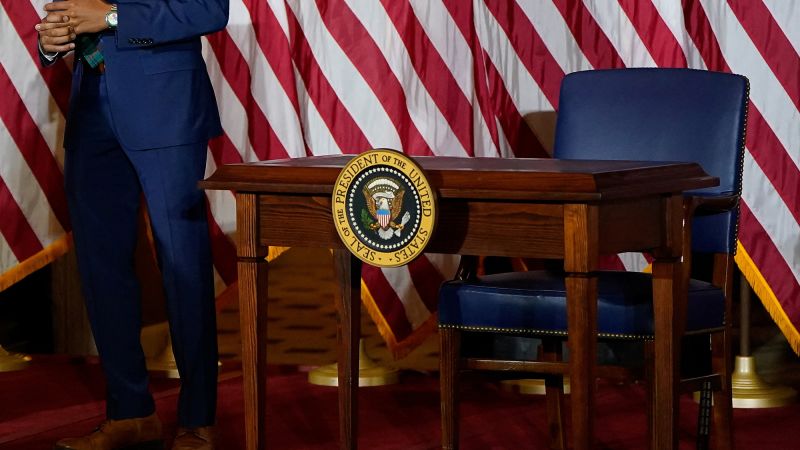
Following the transmission, the White House is expected to review the housing bill, with the final decision likely falling to Trump. However, his abrupt rejection of the measure during a planned signing ceremony in the Capitol on Wednesday has left Republicans scrambling to adjust their strategy. The president’s shift in position surprised House and Senate leaders, who had anticipated a more straightforward endorsement of the housing bill.
“We’re exactly on the same page,” Johnson stated after a Thursday meeting with Trump. “The president understands the urgency of this bill and its impact on families across the country.”
Johnson emphasized that the housing bill is a priority for the administration, even as Trump’s demands for the SAVE Act have created a bottleneck. The House speaker noted that the two leaders had aligned on the importance of addressing housing affordability, which has become a central issue in the upcoming November midterms. “This bill is not just about supply and demand—it’s about restoring faith in the American dream,” Johnson added.
Senate Majority Leader John Thune and other GOP leaders have repeatedly assured Trump that the SAVE America Act could still be passed, though they admit the task is daunting. The bill requires a two-thirds majority in the Senate, a hurdle that may prove difficult given the current political landscape. Thune acknowledged that the measure could divide the party, with some members prioritizing the housing bill over the elections overhaul. “We’re working to find a compromise that satisfies both the president and our constituents,” Thune said.
Trump’s stance has also intensified pressure on Congress, as the 10-day countdown looms. Lawmakers are now forced to navigate the delicate balance between fulfilling their legislative duties and accommodating the president’s demands. The situation has underscored the challenges of governing in a divided government, where the executive branch can wield significant influence over the pace and direction of policymaking.
The housing bill’s provisions have drawn mixed reactions from experts and advocacy groups. While some praise its focus on increasing supply as a practical solution to rising prices, others argue that the private equity restrictions may limit market efficiency. “This is a step in the right direction, but it needs to be paired with targeted investments in affordable housing programs,” said a housing policy analyst. “Otherwise, it may not address the root causes of the crisis.”
As the 10-day period progresses, the fate of the housing bill hinges on whether Trump can secure support for the SAVE America Act. If he succeeds, the legislation could pass quickly, allowing the housing measure to move forward. If not, the bill may face a prolonged delay, leaving the president to decide whether to let it become law without his signature or to block it entirely.
Republican lawmakers, particularly those in competitive races, have expressed cautious optimism about the housing bill’s potential to bolster their chances in the midterms. Many of these representatives are planning to highlight the measure as a key campaign issue, arguing that it reflects a commitment to economic stability and responsible governance. “Passing this bill will resonate with voters who are struggling to afford homes,” said a senior GOP strategist.
Meanwhile, the SAVE America Act remains a contentious topic. Critics claim it could suppress voter turnout by imposing stricter requirements on low-income and minority voters, while supporters see it as a necessary safeguard against voter fraud. The bill’s fate is uncertain, with debates ongoing over its constitutionality and effectiveness. “It’s about ensuring that every vote is counted accurately,” Trump reiterated during a recent press briefing, framing the measure as a patriotic effort to preserve the integrity of elections.
Johnson’s transmission of the housing bill to the White House has also reignited discussions about the role of the president in shaping legislative outcomes. While the bill’s bipartisan nature suggests it has a strong chance of passing, its effectiveness depends on Trump’s willingness to act. “We’re not asking for a miracle,” Johnson said, “but we’re hoping the president will recognize the importance of this issue for the American people.”
As the countdown to the 10-day period continues, the political theater surrounding the bill intensifies. The situation highlights the dynamic relationship between the executive and legislative branches, where the president’s preferences can either accelerate or stall major legislation. For Congress, the challenge lies in maintaining momentum while addressing Trump’s demands, a delicate task that could determine the success of their agenda in the coming months.
Experts predict that the housing bill’s passage will depend on whether the SAVE America Act can be reconciled with the current Senate majority. If the president’s condition is met, the housing measure could face fewer obstacles. However, if the SAVE Act remains stalled, the housing bill may still be vulnerable to a presidential veto. “The key is to keep the pressure on Trump while ensuring the housing bill doesn’t languish in limbo,” said a political commentator.
Ultimately, the transmission of the housing bill to the White House represents a pivotal moment in the legislative process. It underscores the ongoing tensions within the Republican Party and the broader implications of Trump’s leadership style. As lawmakers prepare for the next phase, the interplay between the president’s demands and the nation’s pressing economic needs will remain a focal point of political discourse.
With the 10-day window approaching, the House speaker and his allies are urging Trump to make a decision. “We’ve done everything we can to align with the president’s priorities,” Johnson said. “Now it’s up to him to either support this bill or risk letting it expire without his approval.” The situation has also forced Republicans to consider the long-term consequences of their stance, balancing the need to appease the president with the responsibility to serve the public interest.
As the country awaits the president’s response, the housing bill serves as a test case for the administration’s ability to navigate complex legislative terrain. Whether it becomes law or faces a presidential hold, the measure’s impact on housing affordability and the broader political landscape will be closely watched by analysts and voters alike.