Lincoln Memorial Reflecting Pool to Be Drained and Repaired Post-Independence Day
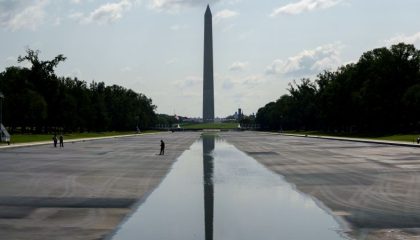
Sandego.net – The National Park Service (NPS) has announced plans to drain and repair the Lincoln Memorial Reflecting Pool following the July Fourth celebrations, according to a court filing released Wednesday by the agency’s deputy director for operations, Frank Lands. The filing outlines the timeline for the maintenance work, which includes inspecting and fixing any damage to the pool’s lining. This decision comes amid ongoing legal disputes regarding the pool’s condition and the Trump administration’s handling of its restoration efforts.
Allegations of Vandalism and Structural Damage
Lands’ declaration in the filing details specific incidents of damage, including the removal of approximately 70 fence post tops that were reportedly thrown into the pool. Additionally, the caulk covering the foam sealant was described as having been cut with a sharp knife or razor. These actions have been cited by the administration as evidence of intentional harm, though the legal challenge centers on whether such damage justifies the immediate drainage and repair without prior consultation.
“The National Park Service plans to begin draining the reflecting pool following the Independence Day celebration to conduct repairs, including assessing and repairing any damage to the lining,” Lands stated in the filing.
The pool has faced a series of issues in recent weeks, from reports of vandalism to visible algae blooms and peeling blue material. These problems have intensified the debate over the legality of the administration’s actions. A nonprofit organization filed a lawsuit last month, arguing that the Trump order to paint the pool blue violated federal regulations requiring the Interior Department to complete a public consultation process before initiating major work. The legal battle now includes claims about the pool’s maintenance and the timeline for repairs.
The Renovation’s Timeline and Scope
The Reflecting Pool had undergone a significant two-year renovation during the Obama administration in 2012. However, the Trump administration expanded the project’s scope, prioritizing cosmetic changes such as painting the pool’s bottom a shade resembling the American flag’s blue field. The renovation was accelerated to align with the country’s 250th anniversary, which the administration framed as a key milestone for the nation’s capital. Despite these efforts, complications arose just days after the pool was refilled earlier this month.
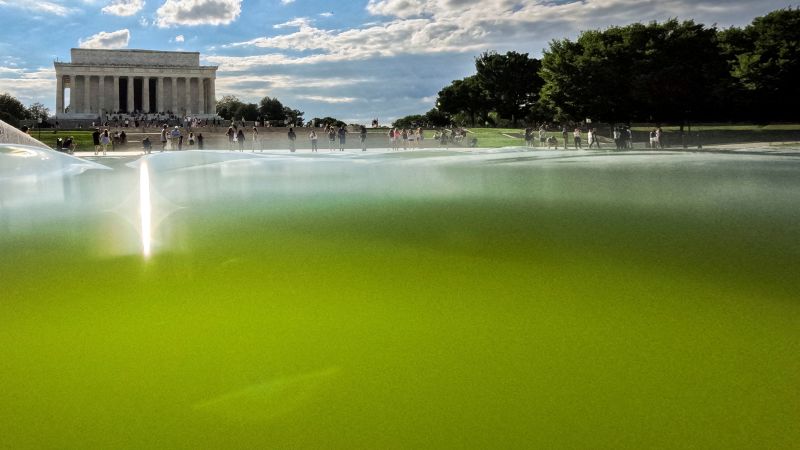
Algae growth was immediately noticeable from the water’s edge, leading to the emergence of dense algal clusters that overwhelmed the pool’s surface. In response, the NPS deployed workers to vacuum the algae, install a filtration system called the “ozone nanobubbler,” and add hydrogen peroxide to the water. The blue material at the pool’s bottom began peeling off shortly after, further fueling concerns about the project’s execution. The administration has since attributed these issues to vandalism, citing 18 police reports and seven arrests linked to the alleged damage.
Discrepancies in Damage Descriptions
Trump has consistently highlighted a “gash” in the pool, though his accounts of the damage’s extent have varied over time. Initially, he referred to a 250-foot cut, but later expanded that to a 350-foot length, describing it as “numerous slashes” across the pool’s surface. The most recent court filing by Lands did not specify the length of the cut, leaving details unclear. However, the New York Times reported earlier this week that internal documents revealed two cuts in the foam sections between the pool’s expansion joints, each measuring 171 feet. These findings do not yet establish a direct link to vandalism, according to the Times.
The lawsuit, which challenges the administration’s decision to skip the consultation process, argues that the pool’s transformation into a blue-hued structure was unnecessary and costly. The plaintiffs contend that the project’s timeline and methods could have been more transparent, with public input required before implementation. In contrast, the NPS maintains that the issues affecting the pool—vandalism, algae, and material deterioration—are separate from the legal validity of their actions. The agency’s lawyers emphasized that the repairs are a necessary response to the pool’s current state, regardless of the source of the damage.
Public Reaction and Concerns
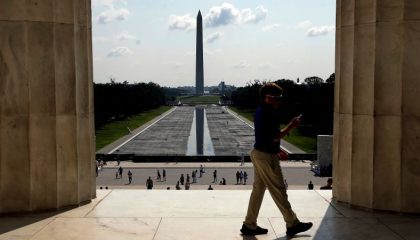
Visitors to the National Mall have expressed mixed opinions about the renovation. Many, including longtime residents like Mallory Boyd, a 60-year-old DC native, view the project as a misallocation of taxpayer funds. “I think it’s a travesty that we’re spending so much money on a restoration that was flawed and for something that wasn’t necessary,” Boyd told CNN on Tuesday. Her critique highlights growing public frustration over the pool’s transformation and the associated costs.
Other visitors have questioned the urgency of the drainage plan, wondering whether the repairs could have been delayed or completed more efficiently. The NPS’s decision to drain the pool after the July Fourth holiday has drawn criticism from some, who argue that the timing could have been more strategic. Meanwhile, the administration’s focus on immediate action underscores its commitment to addressing the pool’s condition, even as legal and public debates continue.
Context and Broader Implications
Trump’s personal involvement in the pool’s renovation has been a recurring theme. In late March, he claimed on Truth Social that he was working alongside Interior Secretary Doug Burgum to fix the pool. This assertion has been used to justify the rapid pace of the project and its cosmetic emphasis. However, the recent setbacks—including the algae bloom and peeling blue material—have raised questions about the effectiveness of the administration’s approach.
The ongoing legal battle not only reflects the immediate concerns about the pool’s maintenance but also highlights broader tensions between the Trump administration and environmental regulations. Critics argue that the decision to skip the consultation process sets a precedent for bypassing procedural requirements in future projects. The NPS’s reliance on police reports and the description of vandalism as the primary cause of the damage has been central to its defense, though the evidence remains contested.
As the deadline for the July Fourth drainage approaches, the situation at the Lincoln Memorial Reflecting Pool remains a focal point for both legal and public scrutiny. The combination of structural issues, alleged vandalism, and the administration’s expedited timeline has created a complex narrative. While the NPS insists the repairs are essential, the nonprofit’s arguments about transparency and necessity continue to challenge the decision’s legality. The pool’s fate will likely hinge on whether the damage can be conclusively linked to vandalism and whether the agency’s actions align with federal guidelines.
With the nation’s attention on Independence Day celebrations, the pool’s condition serves as a symbol of the administration’s efforts to maintain the capital’s appearance. Yet, the controversies surrounding its renovation underscore the challenges of balancing aesthetic goals with regulatory compliance. As the repairs proceed, the outcome may influence future projects and the public’s perception of the Trump administration’s stewardship of federal landmarks.