Federal Judge Halts Trump Administration’s Access to Minors’ Gender Identity Care Records in NYC
A Major Setback for the Federal Investigation
Sandego.net – A federal judge in New York City has issued a temporary injunction preventing the Trump administration from retrieving sensitive medical records of minors who received gender identity care at local hospitals. The decision, handed down by US District Judge Katherine Polk Failla, marks a pivotal moment in the ongoing legal battle over the scope of the administration’s criminal inquiry into pediatric gender-affirming treatments. Failla’s ruling, delivered on Wednesday, comes amid growing concerns that the probe is overreaching and infringing on patient privacy, a stance echoed by multiple courts nationwide.
At the heart of the case is a class action lawsuit filed by families of transgender minors who sought care at New York City healthcare facilities. Failla provisionally recognized the class, which includes individuals who received gender identity services from NYC providers over the past six years, as being entitled to protection under constitutional rights. The judge’s order also restricts the Department of Justice from accessing the records, even through a grand jury subpoena issued to NYU Langone Hospitals in recent weeks. This move effectively shields the personal health data of thousands of young patients from being used in the administration’s investigation.
“The scope of information sought by the government here, which includes medical assessments, diagnoses, informed consent records, and revelation of plaintiffs’ transgender status, is significant,” she stated. “Because I cannot conceive of a crime that would require the breadth of disclosures in the subpoena—identifying and sensitive medical information for an entire class of people for a six-year period—I have to find that the government’s interest does not outweigh the plaintiffs’ interest in privacy.”
Failla emphasized that the records requested by the Justice Department are classified as intimate materials, deserving of the highest level of constitutional safeguards. Her skepticism toward the administration’s legal strategy was evident in her critique of the subpoena’s wide reach, which she argued could be used to target not only healthcare providers but also the families of patients. “The government’s representations that even the patients would not be prosecuted seem hollow, especially given their inability to provide clarity on the investigation’s purpose or the subpoena’s specifics,” the judge added.
The Subpoena and Its Legal Implications
The federal grand jury subpoena in question, issued from a jurisdiction in Texas, demanded that NYU Langone Hospitals turn over documents detailing every minor who underwent sex-rejecting procedures, along with all associated records from initial consultations to final treatments. The subpoena also required the hospital to disclose authorizations from parents allowing their children to receive such care. This broad request, Failla argued, represents a strategy to circumvent earlier rulings that limited the administration’s ability to compel providers to hand over data.
NYU Langone was the first NYC hospital to face this subpoena, which it disclosed in early May. The class action lawsuit followed shortly after, with plaintiffs alleging that the records could expose them to retaliation or scrutiny by the Trump administration. The hospital subsequently suspended its gender identity care programs earlier this year after the administration threatened to withhold federal funding. Similar actions were taken by other institutions across the country under pressure from Washington, D.C.
Criticism of the Trump Administration’s Tactics
Failla’s ruling is part of a broader pattern of judicial pushback against the Trump-led investigation into gender identity care. In recent months, courts appointed by both Democratic and Republican presidents have criticized the probe as an improper fishing expedition. These rulings, often issued by judges appointed under different administrations, highlight the government’s struggle to justify its criminal charges against providers, which have been deemed legally dubious by many legal experts.
“The DOJ has attempted to bypass its previous failures by rebranding civil administrative subpoenas as grand jury subpoenas from a distant jurisdiction,” Failla noted. “This tactic minimizes judicial oversight and pressures institutions to comply with requests that lack clear legal foundation.” The judge’s comments underscore the administration’s reliance on procedural maneuvering to achieve its goals, even as it faces mounting legal challenges. Her decision aligns with a growing chorus of judges who argue that the investigation is not focused on prosecuting a legitimate crime but rather on deterring healthcare providers from offering care to minors.
The administration’s efforts to secure medical records have also been scrutinized for their potential to expose vulnerable individuals to harm. Parents of the affected children expressed fears that the information could be used to target them or their families, with some worried about job losses or public backlash. The temporary restraining order issued by Failla provides immediate relief, ensuring that the records remain confidential until further legal proceedings determine their validity.
A National Legal Front
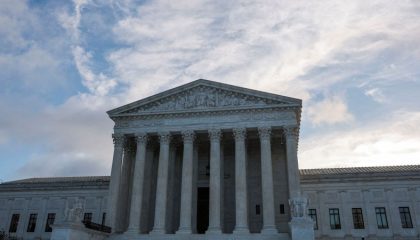
While the case in New York City is a focal point, it is part of a larger national effort by the Trump administration to scrutinize gender identity care for minors. The probe has been met with resistance in multiple states, with courts blocking administrative subpoenas and citing the lack of a clear criminal intent. The Supreme Court, too, has weighed in on the issue, recently halting California’s policies to protect transgender students in public schools. This decision, though unrelated to the NYC case, reinforces the administration’s broader agenda of challenging gender identity protections.
Failla’s ruling highlights the tension between federal oversight and individual privacy rights. By halting the subpoena, she has not only safeguarded the medical records of minors but also set a precedent that could influence future legal battles. The judge’s emphasis on the constitutional protection of intimate materials underscores the importance of balancing public interest with the right to confidentiality, particularly in cases involving sensitive health information.
As the administration continues its investigation, the challenge of securing enough evidence to support criminal charges remains. Failla’s skepticism suggests that the DOJ may need to refine its approach or face further setbacks. For now, the decision provides a critical pause, allowing healthcare providers and families to breathe easier while the legal arguments continue to unfold. The case also serves as a reminder of the judiciary’s role in checking executive power, particularly when it comes to the enforcement of policies affecting marginalized communities.
In a statement, Failla reiterated her belief that the government’s interest in the records does not justify the intrusion into private medical information. “This subpoena, if left unchecked, would expose an entire class of individuals to scrutiny that goes far beyond what is necessary for a legitimate investigation,” she said. The judge’s reasoning is likely to be cited in upcoming cases, as similar challenges to the administration’s tactics emerge across the country.
The ruling is expected to have ripple effects, potentially slowing the administration’s ability to gather evidence and expand its reach. With more courts scrutinizing the probe, the Trump team may need to pivot strategies or confront stronger legal opposition. For now, the decision stands as a significant victory for the plaintiffs and a testament to the judiciary’s commitment to upholding privacy rights in the face of political pressure.