94 Days of Paralysis: The Strait of Hormuz Remains Choked Off
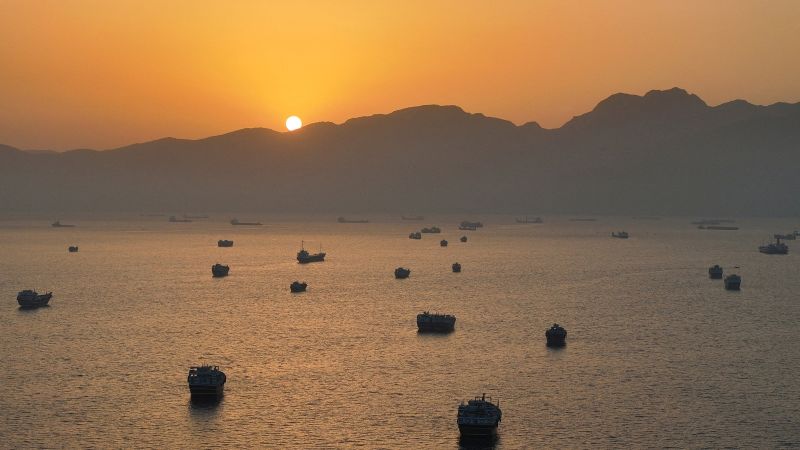
Sandego.net – At the International Shipping Exhibition in Athens, global maritime leaders are grappling with the ongoing crisis at the Strait of Hormuz. This 21-mile waterway, critical for global trade, has seen its traffic severely restricted for nearly three months. Despite optimism from some quarters, the majority of industry insiders remain cautious, unwilling to risk their vessels until a lasting peace agreement between the U.S. and Iran ensures the strait’s safe reopening.
A Persistent Blockage
The closure of the Strait of Hormuz has disrupted supply chains, cutting off 20% of the world’s oil exports and hindering the movement of liquefied natural gas and essential fertilizers. With the strait’s strategic importance, even minor interruptions have sent ripples through global markets. Oil prices dipped last week amid hopes of a resolution, but the situation turned volatile again when renewed hostilities in the region and stalled peace talks caused futures to surge.
According to Kpler, a maritime research firm, the strait’s passage has been minimal. Only seven vessels moved through it on Friday, with just four additional ships transiting over the weekend. This stark contrast to the usual 100 cargo vessels daily highlights the severity of the blockage. “Traffic still remains exceptionally depleted,” said Matt Smith, Kpler’s commodity research director, noting that the strait is effectively closed unless a few tankers manage to cross each day.
Industry Leaders Call for Stability
While the U.S. administration claims the strait is on the verge of reopening, many in the shipping sector demand more than assurances. Gene Seroka, executive director of the Port of Los Angeles and former Middle East operations head for American President Lines, emphasized that confidence in the long-term security of the region is key. “Until carriers, insurers, and operators feel secure enough to resume regular routes, the situation won’t improve significantly,” he stated during a conference in Greece.
The recent “Project Freedom” initiative, which aimed to guide commercial ships through the strait using U.S. military escorts, has proven insufficient. Despite reports of naval presence, a U.S. Central Command spokesperson clarified that the effort has not yet materialized. “We continue to coordinate with commercial vessels, but we’re not actively escorting them,” said Captain Tim Hawkins. This lack of guaranteed protection has kept operators on edge, fearing further disruptions.
Escalating Threats
Recent attacks on vessels in the region have intensified concerns. On Monday, a cargo ship in the northern Persian Gulf was struck by an unknown projectile, marking another incident in a series of 39 attacks since the conflict began. The International Maritime Organization (IMO) reported 11 fatalities linked to these strikes, underscoring the danger faced by maritime crews. Container ships, which typically deliver food and goods to Gulf nations, have been particularly affected, with Maersk, one of the world’s largest shipping companies, unable to dispatch vessels since mid-May. Six of its ships remain stranded in the Gulf, unable to proceed.
“The threat to ships crossing the strait is still significant,” confirmed an oil industry source at the conference. “We won’t see full traffic resuming until there’s a stronger guarantee of safe passage.” This sentiment reflects the broader industry’s reliance on predictability. Even small increases in transit have not restored confidence, as operators weigh the risks of geopolitical instability against the costs of delays.
Global Economic Fallout
The strait’s closure has already triggered higher shipping costs worldwide. Heidmar, a Greek tanker operator, reported a more than 200% rise in quarterly revenue, attributed to “historically elevated” rates. Chevron CEO Mike Wirth echoed similar concerns, noting that restoring trust will require time. “New ships need to return to the region, and owners must feel secure sending crews after months of confinement,” he told Bloomberg.
Freedom of navigation has become a central issue for the IMO, with Arsenio Dominguez, the organization’s secretary general, urging the industry to prioritize seafarers’ safety. “We must work together to uphold the principle of unimpeded transit,” he said at the conference. “This includes rejecting tolls and discriminatory measures that could further complicate trade.”
A Path to Recovery
As the situation persists, industry experts are watching for signs of improvement. However, they stress that the current trickle of traffic is unlikely to meet global demand without a sustained solution. “The long-term security environment must stabilize before service patterns can return to normal,” said Seroka. “This isn’t just about the strait—it’s about the entire network of supply chains that depend on its passage.”
With the U.S. and Iran still locked in diplomatic tug-of-war, the future of the strait remains uncertain. The 94-day stalemate has tested the resilience of global markets, and for now, the world continues to wait for a breakthrough. As shipping rates climb and cargo ships linger in port, the pressure on policymakers grows. Until the threat is neutralized, the Strait of Hormuz will remain a symbol of how geopolitical tensions can paralyze international commerce.
“As shipping comes under increasing pressure from geopolitical events, we must do all we can to work together to always put the safety of seafarers first,” said Arsenio Dominguez, secretary general of the IMO, during the conference in Greece.
The economic and logistical challenges extend beyond oil. With container ships unable to navigate the strait, supply chains for essential goods face strain. The impact is felt worldwide, from food shortages to manufacturing delays. Industry leaders are now calling for a coordinated effort to secure the waterway, ensuring that its reopening is not just a political victory but a practical relief for global trade.
As the days pass, the urgency to resolve the crisis deepens. The shipping community, once confident in the strait’s reliability, is now recalibrating its strategies. Whether through diplomatic agreements, military support, or industry collaboration, the path to restoring normalcy remains fraught. For now, the Strait of Hormuz remains a chokepoint, its closure a stark reminder of the fragility of global connectivity in times of conflict.