Federal Judge Halts State Restrictions on Using Food Stamps for Soda and Candy
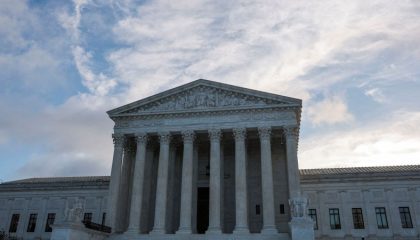
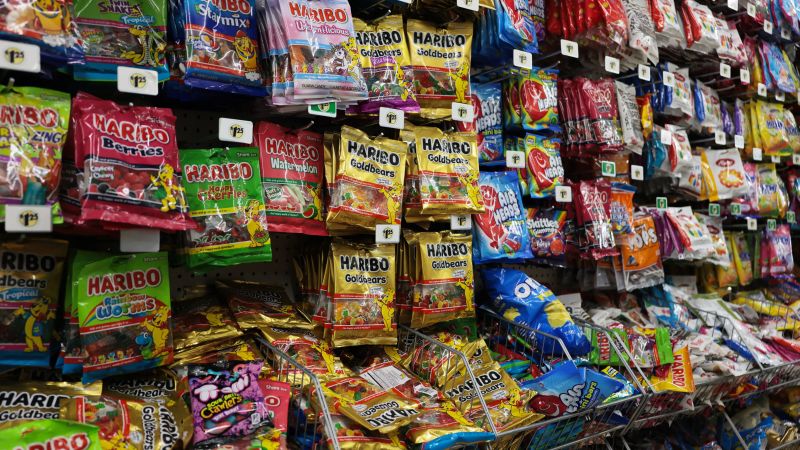
Sandego.net – In a significant development on Monday, a federal judge ruled to stop the Trump administration from enabling five states to implement restrictions on using food stamp benefits for purchasing sugary drinks and candy. The decision, issued by US District Judge Amy Berman Jackson in the District of Columbia, represents a key challenge to the “Make America Healthy Again” (MAHA) initiative spearheaded by Health and Human Services Secretary Robert F. Kennedy Jr. The ruling preserves the ability of SNAP recipients to use their benefits for these items, temporarily halting efforts to limit their access.
The Legal Framework Behind the Ruling
Jackson’s ruling centered on the authority of the US Department of Agriculture (USDA) to approve state waivers that alter the definition of eligible foods under the Supplemental Nutrition Assistance Program (SNAP). The states involved—Colorado, Iowa, Nebraska, Tennessee, and West Virginia—had sought to expand the scope of MAHA by restricting certain products deemed unhealthy, such as soda, energy drinks, and candy. However, the judge found that the USDA’s current legal framework does not empower it to enforce such dietary changes through pilot programs.
According to the judge, the authority granted to the USDA allows it to test the efficiency of SNAP but does not permit modifying the program’s core purpose of ensuring food access. “What they cannot do is violate the law and their own regulations along the way,” Jackson emphasized in her decision. The judge stressed that the states’ waivers were an attempt to redefine what qualifies as food, which goes beyond the USDA’s established mandate.
State-Specific Restrictions and Their Impact
The five states that applied for the waivers implemented varying restrictions on food purchases. All limited the availability of sugary drinks, including soda and energy beverages, while some also imposed bans on candy. These rules applied uniformly to every SNAP recipient, with no exceptions for health conditions or personal dietary needs. The restrictions aimed to combat chronic diseases like obesity and diabetes by discouraging the consumption of ultraprocessed foods.
However, the lawsuit filed by five SNAP enrollees argued that these limitations could hinder their ability to maintain health and wellness. Plaintiffs highlighted cases where restricted items, such as sugary drinks, were essential for managing conditions like Type 1 diabetes, addressing kidney issues, or combating energy deficiencies. They contended that the bans imposed an undue burden on low-income families, potentially forcing them to choose between healthy food options and other necessities.
Administration’s Response and Future Plans
Despite the setback, Agriculture Secretary Brooke Rollins reaffirmed the administration’s commitment to the MAHA initiative. In a post on X, Rollins called the ruling a “commonsense restriction” on using SNAP benefits for “sugar bombs fueling obesity, diabetes, and skyrocketing healthcare costs for low-income families.” She argued that taxpayers should not subsidize unhealthy choices, emphasizing that SNAP is designed to provide essential food, not to cover non-nutritional items.
Rollins expressed confidence that the administration would continue pushing for the program’s reforms, stating, “An activist judge just blocked our commonsense restriction on using SNAP benefits for soda and junk.” She framed the decision as a temporary pause, asserting that the goal of improving public health through dietary changes remains valid and necessary.
Legal Arguments and Judicial Perspective
Jackson’s ruling highlighted a critical distinction between efficiency and health outcomes in SNAP policy. She noted that the USDA’s authority to approve pilot projects focuses on streamlining operations, not on redefining nutritional standards. The judge acknowledged that the states and federal officials had a genuine interest in promoting healthier eating habits but underscored that their actions must align with existing legal guidelines.
“The federal defendants and the states may have a genuine desire to improve the health of SNAP households by encouraging healthy choices at the store,” Jackson wrote in the decision. “But they cannot do so by bypassing the legal guardrails that define how SNAP must function.” Her emphasis on the program’s original intent suggests that any changes to food eligibility must be justified by explicit statutory authority rather than implied regulatory power.
Broader Implications for SNAP and Public Health
The decision has sparked debate about the balance between food access and health promotion. Advocacy groups have welcomed the ruling as a victory for SNAP recipients, who rely on the program to afford basic necessities. One of the law firms involved in the case, the National Center for Law and Economic Justice, stated that the ruling “is a major step in restoring essential food assistance to the millions of families that depend on SNAP nationwide.”
“This decision clarifies that the USDA cannot override the legal framework governing SNAP’s operation,” said Katharine Deabler-Meadows, a senior attorney with the firm. “It affirms that families deserve a program that functions without ambiguity, ensuring they can meet their dietary needs without unnecessary barriers.” The ruling also raises questions about the potential for future policy changes and the role of state-level experimentation in shaping federal programs.
Meanwhile, the administration has vowed to continue its push for MAHA. Rollins’ comments reflect a broader strategy to position the initiative as a bipartisan effort to address public health challenges. The administration may seek to revise the legal basis for the waivers or pursue alternative methods to achieve similar outcomes within the program’s current structure.
Public Reaction and Ongoing Legal Challenges
Public sentiment has been divided following the ruling. Supporters of the MAHA initiative argue that reducing access to sugary drinks and candy can lead to long-term health benefits, particularly for low-income communities disproportionately affected by diet-related diseases. Critics, however, stress that the decision protects the rights of individuals to choose their own food, regardless of its nutritional value.
Some experts have pointed out that the ruling could delay the implementation of broader dietary reforms. While the five states involved were not immediately barred from enforcing their restrictions, the decision sets a precedent that could affect other states seeking similar waivers. This may lead to a prolonged legal battle over the interpretation of the USDA’s authority and the extent to which it can influence SNAP’s food eligibility rules.
CNN has reached out to the Health and Human Services (HHS) department for further comment on the ruling and its implications. As the debate continues, the case underscores the tension between public health goals and the practical needs of SNAP beneficiaries. The outcome may influence future policies, whether they aim to promote healthier diets or safeguard access to a wide range of food items.
Conclusion
With the ruling blocking the immediate implementation of the soda and candy bans, the fight over SNAP’s food eligibility criteria is far from over. The decision highlights the importance of legal clarity in shaping federal programs and ensures that any changes to the SNAP system must be grounded in statutory authority. As the administration and advocacy groups adjust their strategies, the focus will remain on finding a balance between nutrition and accessibility in the fight against food insecurity and chronic disease.
This article has been updated with additional information.