Conservatives spent heavily in key Democratic primaries, filings show
Covert Funding and Strategic Influence in Democratic Races
Sandego.net – Recent Federal Election Commission (FEC) filings have exposed a significant financial strategy by conservative groups aimed at shaping Democratic primary outcomes. According to data from AdImpact, several super PACs, including Lead Left PAC, Real Change PAC, and Blue California PAC, have been quietly funded by right-leaning organizations to support candidates deemed less formidable in general elections. This approach allows Republicans to manipulate the primary landscape, favoring candidates who might better align with their own electoral goals. The findings have sparked debate about the role of outside spending in influencing Democratic voters and the transparency of campaign finance mechanisms.
Targeting Weak Contenders in Texas’ 35th District
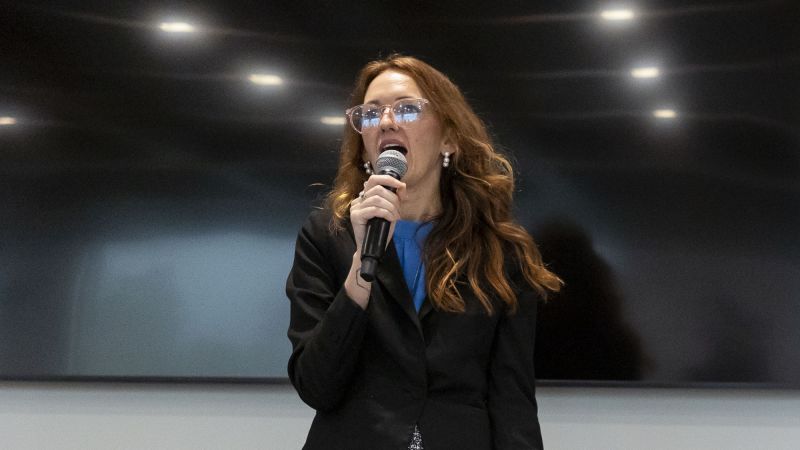
In one notable instance, Lead Left PAC allocated over $750,000 to advertisements in Texas’ 35th Congressional District, backing Maureen Galindo—a sex therapist and housing advocate. Galindo’s campaign gained national attention for her use of antisemitic rhetoric in critiquing Israel, a strategy that drew criticism from both parties. Despite the PAC’s efforts, Galindo’s candidacy ultimately faltered, losing the primary runoff by nearly 30 percentage points to Johnny Garcia. The ad campaign, which included a
“She’s the only candidate who will stop Trump and ICE”
message, highlighted the targeted messaging used to sway voter preferences.
Funding Sources and the Role of Conservative Americans PAC
FEC records reveal that Lead Left PAC’s operations were largely funded by Conservative Americans PAC, which itself received over $3 million from American Prosperity Alliance—a Republican nonprofit with ties to former House Speaker Kevin McCarthy. This chain of financing underscores the coordinated effort between conservative organizations to influence Democratic races without immediate public scrutiny. “Republicans are leveling the playing field after over a decade of Democrats meddling in our primaries,” said Samantha Bullock, a spokesperson for Conservative Americans PAC. “With the Democrat Party in a civil war, it would be foolish not to capitalize on this opportunity while pushing our candidates further left.”
Democratic Responses and Mixed Results
The Democratic Congressional Campaign Committee (DCCC) has criticized these tactics, arguing that Republican interference has had unintended consequences. In a statement, DCCC spokesperson Justin Chermol described the strategy as “cynical,” emphasizing how concerns about Galindo’s remarks helped elevate Johnny Garcia’s profile. “The electoral outlook for MAGA Republicans has become so bleak that they’ve turned to their failed former Speaker of the House,” Chermol added. “This effort to rig Democratic primaries has backfired, boosting the visibility of our strong Red to Blue candidates.”
Strategic Timing and Reporting Deadlines
One key factor enabling these covert campaigns is the FEC’s reporting deadlines. By registering super PACs weeks before elections, conservative groups can allocate funds and run ads without immediately disclosing their financial sources. This timing ensures that voters receive information about the spending only after the primary results are known, obscuring the influence of outside actors. For example, Real Change PAC received approximately $1.2 million from Conservative Americans PAC in May, while it spent hundreds of thousands of dollars on ads in New Jersey’s 7th District and Maine’s 2nd District—both races concluded before the PAC’s initial disclosure.
Results Across Multiple Battlegrounds
The impact of these strategies has varied by district. In New Jersey’s 7th District, Real Change PAC’s efforts to support Tina Shah against Rebecca Bennett failed to alter the outcome, with Bennett securing the nomination. However, in Maine’s 2nd District, the PAC’s campaign against Joe Baldacci reportedly shifted the dynamics of the race, contributing to the defeat of the state senator by Matt Dunlap. Similarly, Blue California PAC’s spending in the 40th District of California was designed to prevent a member-on-member showdown between Democratic candidates. The tactic succeeded in delaying a potential clash between GOP Reps. Ken Calvert and Young Kim, though the ultimate matchup remains a key point of contention for Republicans.
Broader Implications for Democratic Primaries
These examples illustrate a growing trend of conservative groups using super PACs to indirectly control Democratic primary narratives. By backing candidates who can be perceived as more vulnerable, they aim to create favorable conditions for their own candidates in the general election. This strategy, however, has faced scrutiny for its potential to undermine the integrity of the Democratic process. Critics argue that such interventions can distort voter choices and deepen partisan divides, even as they claim to be acting in the interest of fair competition.
Transparency Concerns and Future Outlook
The opacity of campaign finance reporting has allowed these groups to operate with minimal public oversight. As of now, the FEC has not yet required full disclosure of the funding sources for these super PACs, leaving room for strategic concealment. While some races have shown the effectiveness of this approach, others have highlighted its limitations. The DCCC pointed to the Texas and Pennsylvania primaries as evidence that Republican tactics, though aggressive, can sometimes amplify support for Democratic candidates rather than weaken them.
As the primary season progresses, more examples of this coordinated strategy are likely to emerge. The influence of conservative super PACs on Democratic races raises questions about the balance between free speech and electoral fairness. With the upcoming elections, the continued use of such tactics may reshape the landscape of American politics, creating a more polarized environment where primary outcomes are as much a product of outside spending as they are of grassroots support. For now, the race for key congressional seats remains a battleground not only for ideological differences but also for control over the messaging that defines them.
CNN has contacted American Prosperity Alliance for further comments on its role in these efforts. The organization, which has long been a major player in Republican fundraising, continues to emphasize the importance of counterbalancing Democratic influence in primary elections. Meanwhile, Democrats are left to navigate the fallout, with some accusing conservative groups of exploiting internal party conflicts to gain an edge in the broader race for power.