LA Mayor Bass Declares Emergency to Secure Resources for Warehouse Fire Response
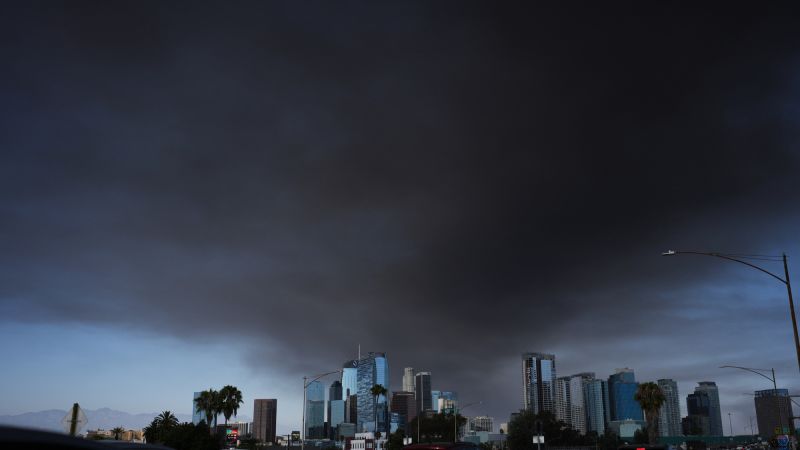
Sandego.net – On Saturday, Los Angeles Mayor Karen Bass announced an emergency declaration to mobilize additional support for a massive warehouse fire that has been burning in the Boyle Heights neighborhood for over three days. The blaze, which erupted at a privately operated cold-storage facility, has generated thick plumes of smoke that have spread across the city, prompting concerns about air quality and public safety. Bass’s move aims to expedite the city’s access to critical supplies and personnel to ensure the fire is fully contained as soon as possible.
Residents Advised to Take Precautions Amid Smoke Threat
The fire, which began on Wednesday, has led to shelter-in-place orders for nearby residents due to the risk of hazardous air pollutants. Authorities have urged people to close all windows, doors, and vents, disable air conditioning units, and move to interior rooms to reduce exposure. These measures are part of a broader effort to safeguard communities from the toxic effects of smoke drifting into the area. The prolonged burning has also created a backlog in emergency services, as crews work to address both the fire’s immediate danger and its long-term consequences.
“The city and county have opened spaces for families seeking relief from the smoke, and we will continue working around the clock and doing everything possible to put this fire out completely,” Bass said in a news release.
Bass emphasized that the emergency declaration is a proactive step to ensure resources are available for recovery efforts. The mayor’s office has collaborated with local agencies to establish temporary shelters and distribute masks to affected residents. “This is about prevention,” she added, “and protecting your public health.” Her focus remains on mitigating the environmental and health risks posed by the fire, which has been described as one of the largest in the city’s recent history.
Firefighters Tackle Complex Challenges in Burned Warehouse
Los Angeles Fire Department Chief Jaime Moore highlighted the unique challenges of extinguishing the blaze at the warehouse, which is known for its cold-storage operations. “We have 85 million pounds of frozen food inside of this facility,” Moore stated in a news conference. “The way the building has been laid out, it’s very difficult for us to get in there because there’s zero visibility inside.”
“Our firefighters are not able to just go in there and start moving pallets,” Moore explained.
The structural complexity of the warehouse, combined with the smoke obscuring visibility, has slowed containment operations. Crews have prioritized removing hazardous materials from the site, a critical phase of the response. However, the biohazard risk from the stored food and other contents continues to complicate efforts. Moore noted that the fire’s intensity and the building’s design have forced firefighters to rely on specialized equipment and strategic planning to advance.
Boyle Heights, a historically vibrant neighborhood in East Los Angeles, has seen significant disruption from the fire. The area, known for its cultural diversity and community centers, now faces a prolonged recovery period. Local businesses and residents have reported difficulties in navigating the smoke-filled streets and accessing necessary supplies. The fire’s impact extends beyond the warehouse itself, affecting nearby homes, schools, and commercial properties.
State-Level Support Requested to Accelerate Recovery
Bass’s emergency declaration also calls for state-level assistance under the California Disaster Assistance Act. The mayor argued that the city requires expedited access to funding, equipment, and personnel to address the aftermath of the fire. “We are asking the state to speed up the process of allocating resources and other relief programs,” she said. “This is not just about putting out the fire—it’s about ensuring the safety and well-being of those impacted.”
The request underscores the scale of the crisis and the urgency of the situation. The act allows for the deployment of state resources to support local governments in emergencies, and Bass believes it will be vital in coordinating the response. City officials have also expressed concerns about the potential for a major environmental disaster if toxic materials are not swiftly removed. The smoke has already led to increased respiratory issues among residents, prompting calls for long-term health monitoring.
Community Impact and Ongoing Efforts
As the fire continues to burn, the community has rallied to support affected families. Volunteers have organized donation drives for essential items like food, clothing, and hygiene products, while local leaders have spoken out about the need for sustained aid. The mayor’s office has been in constant communication with residents, providing updates on air quality and the status of the fire. “We are doing everything possible to protect the public,” Bass reiterated.
The incident has also prompted a review of emergency protocols in the region. City officials are assessing whether the current measures are sufficient to handle similar crises in the future. The warehouse, which serves as a critical storage hub for the city’s food supply, has raised questions