‘The Godfather’ Altered a Sicilian Village’s Fate in 1971
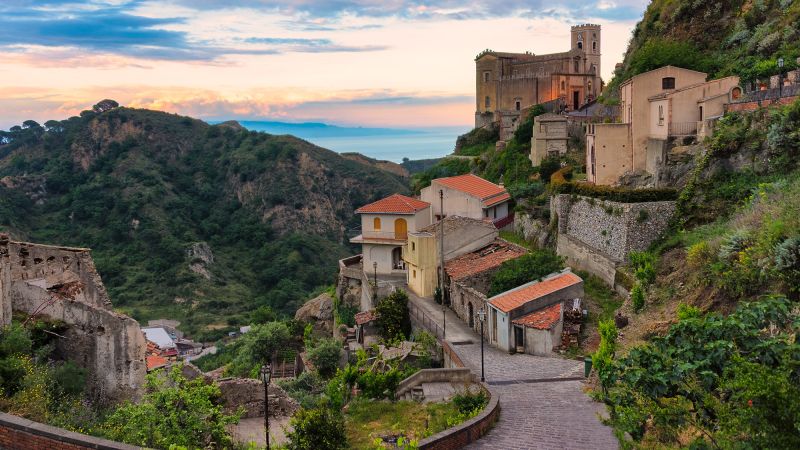
Sandego.net – More than five decades ago, the arrival of Francis Ford Coppola’s iconic 1972 film *The Godfather* transformed the quiet life of Savoca, a small Sicilian village. Once characterized by unpaved roads, a population under 100, and a lack of running water, the town became an instant global destination. Its remote charm and rustic landscapes provided the perfect backdrop for the cinematic tale of Corleone’s power, and the film’s legacy has endured ever since.
“The movie was a total godsend,” says Vincenzo Pasquale, 72, who played an extra at the age of 18. “It changed everything for the village, bringing recognition we never imagined.”
Savoca remains the most frequented location linked to the film, drawing fans and tourists in droves. The village’s once-sleepy streets now bustle with activity, especially with the rise of cruise tourism over the past two decades. Pasquale recalls how the influx of visitors has made daily life challenging, with crowds often overwhelming the narrow pathways. “On some days, they cram the streets, and I need to honk the horn to drive through,” he adds, highlighting the shift from a serene village to a hub of cultural tourism.
A New Chapter for ‘The White Lotus’
Meanwhile, the fourth season of HBO’s *The White Lotus* is currently reshaping the narrative of luxury travel. This year, the series has shifted its focus from Sicilian resorts to the French Riviera, spotlighting the historic Château de la Messardière. The 19th-century mansion, now a sprawling resort on the Côte d’Azur, offers a glimpse into opulent living and the allure of the Mediterranean coast. CNN recently visited the site, exploring its 32 acres of lush gardens, sunlit terraces, and the lifestyles of real-life guests who live in its lavish surroundings.
The show’s ability to capture the essence of high-end travel has solidified its reputation as a cultural touchstone. Previous seasons immortalized the Four Seasons’ San Domenico Palace in Taormina and the Four Seasons Resort Koh Samui in Thailand, setting a standard for cinematic elegance. This new season, however, brings a fresh setting, blending the romance of the French Riviera with the drama of the series’ signature storytelling.
Global Recognition for American Cuisine
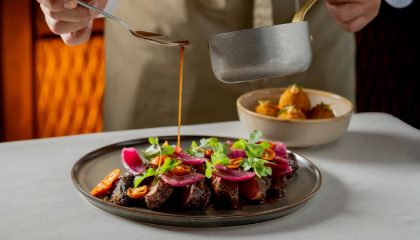
On the culinary front, the James Beard Awards took center stage, celebrating excellence in American food culture. These prestigious accolades, often dubbed the “Oscars of the food world,” announced their winners, turning beloved restaurants into must-visit spots. From San Francisco to Philadelphia, Texas to Oregon, a diverse range of eateries earned recognition for their innovative menus and commitment to quality. The awards highlight the dynamic evolution of American cuisine, showcasing everything from farm-to-table experiences to bold fusion flavors.
Winning Wines from the U.S. Shine on the World Stage
The United States also made headlines at the Decanter World Wine Awards, securing its best-ever performance at this global event. The prestigious competition, held in the UK, celebrated the craftsmanship of American vintners, with winners hailing from states like Texas, Virginia, and Pennsylvania. A judge praised the country’s “golden era” of winemaking, noting the impressive diversity and quality of entries. This success underscores the growing influence of U.S. wine on the international scene.
Asia’s Elite Dining Destination and a Curious Ban
In Beijing, King’s Joy has emerged as a rare culinary gem, holding the distinction of being the sole Chinese restaurant to earn both three Michelin stars and the Green Star for sustainability. The establishment, known for its exquisite blend of traditional and modern flavors, has become a hotspot for the city’s affluent and celebrity crowds. Yet, an intriguing twist exists: Chinese officials are reportedly excluded from visiting the restaurant, sparking speculation about its exclusive status and the reasons behind this unusual restriction.
Infrastructure Revolutions in Europe and Beyond
Europe is witnessing a wave of ambitious infrastructure projects, with the construction of underground mega tunnels redefining its transportation landscape. These massive networks, spanning multiple countries, promise to streamline travel and reduce congestion in densely populated regions. However, the journey to completion has been fraught with challenges. Rising costs and prolonged delays have stretched timelines into years, testing the resolve of governments and investors alike. Despite these hurdles, the projects remain a symbol of Europe’s commitment to innovation.
Smart Mobility Hopes for Cairo’s New Driverless Monorail
Meanwhile, Egypt’s Cairo Monorail has become a beacon of progress, launching as Africa’s first driverless monorail network. Once completed, it may also claim the title of the longest such system worldwide. The project aims to alleviate the city’s notorious traffic woes, offering a sustainable and efficient alternative to cars and buses. Supporters view it as a step toward modernizing urban transport in a country where mobility has long been a struggle.
Legacy of a Classic and a Modern Puzzle
The article also touches on the enduring appeal of British weather, a topic that often dominates local discourse. While the unpredictable climate is frequently lamented, it has become a source of national pride, symbolizing resilience and the unique character of the UK. The piece ends with a lighthearted note about a Japanese island that lies closer to Taipei than to Tokyo, thanks to a new ferry service. This geographical curiosity has sparked interest among travelers, offering a reminder of how proximity can redefine cultural and culinary connections.
The ripple effects of these developments are far-reaching, from the small Sicilian village that once dreamed of cinematic fame to the bustling cities where food and wine trends are shaping global tastes. As the world grapples with the demands of tourism, innovation, and sustainability, each location tells a story of transformation. Whether it’s the revival of a historic rail system in Cairo or the digital overhaul of air traffic control in the U.S., the interconnectedness of these stories reflects the evolving pulse of modern travel.
From the rugged beauty of Sicily to the sleek lines of the French Riviera, the film and television industries continue to influence the places they depict. At the same time, culinary and wine advancements highlight the power of food to connect cultures and elevate local economies. The interplay between these industries and the landscapes they embrace underscores a broader theme: that art, culture, and innovation can leave lasting imprints on the world, often in unexpected ways.
As the fourth season of *The White Lotus* unfolds, and as the U.S. air traffic control system transitions to digital, the narrative of progress and legacy remains central. The story of Savoca’s revival serves as a testament to the transformative impact of media, while the Cairo Monorail and underground tunnels in Europe point toward a future where infrastructure and sustainability coexist. These developments, though varied in scope, share a common thread: the relentless drive to reimagine the world for the better.
For those who have followed the journey of *The Godfather* and *The White Lotus*, the realization of their creative visions has been both a triumph and a challenge. The blend of historical charm and modern demands creates a unique tension, one that keeps these locations at the forefront of public imagination. Whether through a film’s setting, a restaurant’s accolades, or a monorail’s promise, each story contributes to a larger conversation about the role of culture in shaping the world we live in.