Internal Strife Threatens Iran’s Post-War Peace Deal Momentum
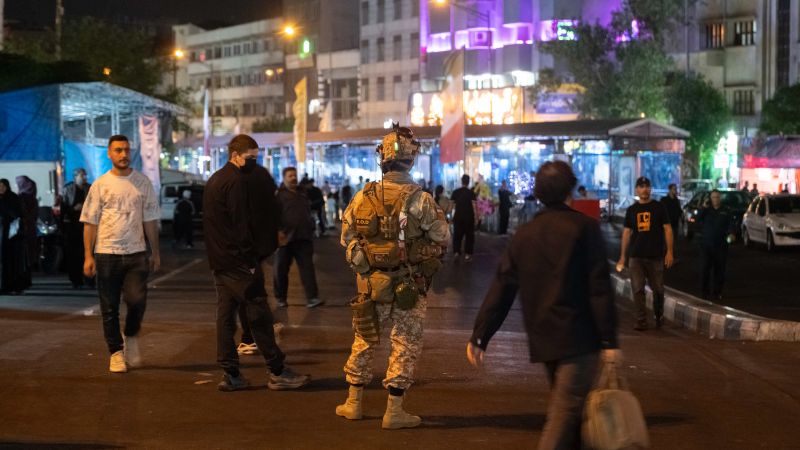
Sandego.net – Last week, as the United States and Iran unveiled details of their emerging pact, a prominent Iranian figure took to the podium in Tehran to voice sharp criticism. Mahmoud Nabavian, a key member of the parliament’s National Security Commission, presented what he claimed was the final version of the agreement to a gathering of supporters. His remarks, broadcast live across the country, painted a dire picture of the deal’s implications. Nabavian warned that the accord would reduce Iran to a “colony of the United States” and open the Strait of Hormuz to Israeli influence. This speech ignited a wave of discontent, with citizens rallying outside the foreign ministry and launching a campaign under the slogan “we will not accept.” Protests framed the agreement as a symbolic defeat for Iran, with critics arguing it marked a surrender to Western pressures.
A Pact Seen as a Triumph, Yet Fractures Loom
Despite the backlash, the U.S.-Iran agreement is widely regarded as a strategic victory for Tehran. Iranian officials and state media have hailed it as a testament to the nation’s resilience and a setback for Washington. The deal, which includes provisions for the reopening of the Strait of Hormuz, is viewed as a way to stabilize Iran’s position in the region and ease international pressure. However, the political landscape is far from unified. Influential factions within the government remain skeptical, challenging the regime’s narrative of success. As the agreement moves forward, these divisions threaten to undermine its domestic reception.
The war in the region has played a pivotal role in shaping Iran’s current political dynamics. According to Dina Esfandiary, a Middle East geoeconomics analyst at Bloomberg Economics, the conflict has provided the Islamic Republic with a renewed sense of purpose. “The war allowed a government weakened by protests and internal crises to reclaim its authority,” she noted. Yet, Esfandiary emphasized that this political revival does not automatically ensure the agreement’s success. The regime still faces the challenge of securing public buy-in, especially as it grapples with persistent economic struggles and social unrest.
The Hardline Faction’s Strategic Opposition
One of the most formidable obstacles to the agreement’s acceptance lies within Iran’s hardline political establishment. A faction known as the Jebhe-ye Paydari, or “Super Revolutionaries,” has been actively working to derail the deal. This group, which includes figures like Nabavian, has long opposed compromises with the West, viewing such agreements as a betrayal of Iran’s revolutionary ideals. Their influence extends beyond the political sphere, as they have mobilized grassroots support to pressure the government.
Nabavian’s speech was not an isolated incident. Vali Nasr, author of *Iran’s Grand Strategy*, highlighted the Paydari’s role in shaping domestic sentiment. “The regime’s ability to secure peace hinges on its capacity to manage this faction,” Nasr explained. The Paydari has demonstrated a knack for galvanizing public opinion, particularly among economically disadvantaged and religiously conservative communities. These groups, who have borne the brunt of the war’s toll, are seen as critical to the agreement’s viability. Their support will be essential in ensuring the deal gains traction within Iran’s borders.
The supreme leader, Mojtaba Khamenei, has taken steps to distance himself from the Paydari’s criticism. A message reportedly issued by Khamenei confirmed his endorsement of the deal, while also assigning responsibility to the negotiating team, led by Mohammad Bagher Ghalibaf. “I held a different view initially, but the commitment from Ghalibaf and his allies to protect Iran’s national interests made authorization necessary,” the statement read. This move signals Khamenei’s strategy to balance external pressures with internal dissent, ensuring the agreement remains politically viable despite opposition.
Economic Relief as the Deal’s Crucial Test
Experts suggest that the agreement’s long-term success will depend on its economic outcomes. While the reopening of the Strait of Hormuz is a key component, the primary goal of the pact is to alleviate Iran’s financial woes. The country’s economy has been severely strained by sanctions and regional conflicts, and the deal promises immediate relief. However, for the agreement to resonate with the Iranian public, it must deliver tangible benefits. Sanam Vakil, director of the Middle East and North Africa program at the International Institute for Strategic Studies, warned that the deal alone cannot resolve the nation’s deep-seated economic and political challenges. “The pact reduces external threats, but it does not guarantee lasting peace,” she said. “Iran’s domestic grievances remain unresolved, and the government must prove the deal’s value to its people.”
Tracking the progress of the Strait of Hormuz’s reopening has become a symbol of the agreement’s potential impact. Live maps and real-time data show how the strait’s access has fluctuated, reflecting both the deal’s significance and the volatility of Iran’s geopolitical situation. For many Iranians, the promise of economic stability is as vital as the political symbolism of the accord. The government faces the daunting task of demonstrating that this deal is not just a foreign policy triumph, but also a lifeline for the nation’s struggling economy.
Strategies for Maintaining Control Amid Divisions
As the regime seeks to solidify its position, it must navigate the delicate balance between external allies and internal critics. Vali Nasr pointed out that Khamenei and the Revolutionary Guards will need to exert control over the Paydari faction to ensure the agreement’s survival. “The very forces that helped sustain the war are now challenging the peace deal,” Nasr said. This dynamic underscores the complexity of Iran’s post-war governance, where the government must manage both internal dissent and external expectations.
The Paydari’s influence on the streets remains a defining factor in the deal’s reception. Their ability to organize supporters during the conflict has translated into a formidable force for opposition in the current political climate. Nasr argued that the faction’s strategy is not merely to undermine the agreement but to shape the narrative around Iran’s future. “Their goal is to ensure that any peace deal aligns with their vision of Iran’s sovereignty and resistance,” he said. This vision, however, may clash with the pragmatic approach required to sustain the pact’s economic and diplomatic benefits.
For the agreement to endure, the regime must address the concerns of both its allies and adversaries. While the deal offers a path to economic recovery and regional stability, its success will ultimately depend on whether Iranians see it as a victory or a concession. The challenges ahead are multifaceted, requiring the government to reconcile its revolutionary ideals with the realities of diplomacy. As the dust settles from the recent talks, the true test of the U.S.-Iran accord will lie in its ability to unify a fractured political landscape and secure the trust of the Iranian people.
The path to peace in Iran is fraught with uncertainty, but it also presents an opportunity for the regime to redefine its role in the region. By navigating internal opposition and demonstrating the deal’s economic benefits, the government can transform this agreement from a symbol of compromise into a foundation for national renewal. However, the journey will demand vigilance, as the hardline factions continue to assert their influence and the international community watches closely for signs of stability.