Kennedy Center Faces Financial Straits Amid Legal Battles
Sandego.net – The Kennedy Center, a cornerstone of Washington, DC’s cultural landscape, is battling a severe financial crisis. With declining ticket sales, staff reductions, and mounting legal pressure, the institution is forced to make tough decisions about its future. A federal judge has mandated that the venue remain open during its restructuring, adding to the complexity of its situation. The center’s leadership must now navigate between fiscal responsibility and maintaining its role as a vital arts hub.
Financial Crossroads and Judicial Constraints
Kennedy Center facing financial straits has led to a critical juncture in its operations. Multiple internal reports reveal that revenue has plummeted, while staff cuts have further strained its capacity to deliver consistent programming. The center’s board is evaluating three potential strategies to address the crisis, but the timeline for finalizing a plan is uncertain. In a recent filing, attorneys for the Kennedy Center sought an extension to comply with the judge’s order, emphasizing the urgency of preserving public access.
One option under consideration would be a full closure of the center during renovations. However, this risks undermining its congressional mandate to support the arts. Another plan proposes limited event hosting in unaffected areas, aiming to maintain some level of engagement. The third strategy involves phased shutdowns to manage repairs while continuing programming. This hybrid model, though, demands meticulous planning to avoid prolonged disruptions.
Political Tensions and Legal Drama
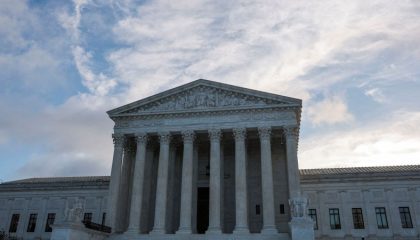
Kennedy Center facing financial straits has intensified political debates. A U.S. District Judge, Casey Cooper, recently ruled against a board vote to close the center, citing its failure to meet legal requirements. The board, which includes Trump allies, had approved the shutdown to facilitate renovations. Cooper’s decision ensures the venue will stay open, but the Kennedy Center must balance this with its financial obligations.
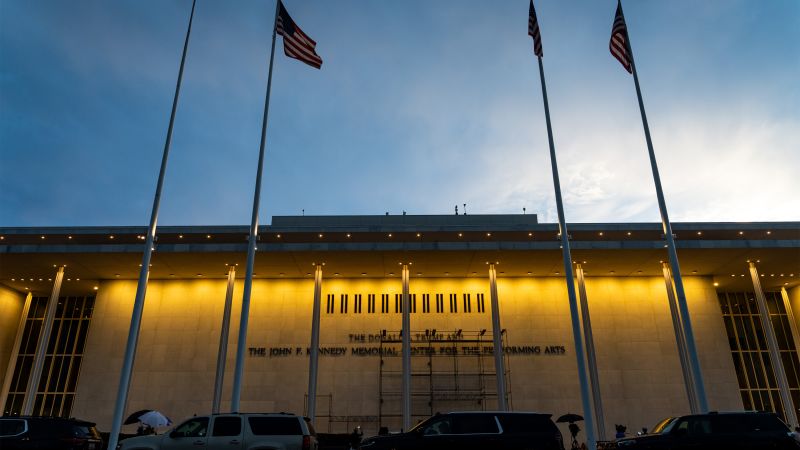
The center’s recent renaming in honor of Trump has sparked controversy. While the name was removed from the building’s facade, large tarps still cover the letters, symbolizing a contentious political move. Attorneys for Rep. Joyce Beatty, a board trustee who opposed the name change, argue it reflects a lack of commitment to the institution’s mission. This debate underscores the broader challenges of maintaining both cultural integrity and financial stability.
Strategic Adjustments and Operational Challenges
Current programming at the Kennedy Center has been scaled back, featuring only a handful of events. These include outdoor movie screenings and a children’s performance by the National Symphony Orchestra’s Summer Music Institute. Despite these efforts, the center’s ability to restore full operations is limited by its financial constraints. A former staff member noted that reviving Broadway-level productions will require significant time and resources.
Leadership at the Kennedy Center acknowledges the difficulty of stabilizing its finances. With the board expected to vote on its restructuring plan in mid-July, the institution’s future hangs in the balance. The decision will determine whether the Kennedy Center can continue its mission or must prioritize cost-cutting measures. As the legal deadlines approach, the Kennedy Center facing financial straits remains in a precarious position.
“The Kennedy Center is at a breaking point,” said a source familiar with internal discussions. “They have to choose between keeping the lights on or making drastic cuts that could permanently alter their role in the community.” This quote highlights the high stakes involved in the center’s current situation.
Long-Term Implications and Public Response
The Kennedy Center’s financial struggles may have lasting effects on its operations and reputation. With the court requiring it to stay open, the center is under pressure to demonstrate resilience. However, the Kennedy Center facing financial straits must also address concerns about its ability to attract audiences and fund future projects. Public reaction has been mixed, with some supporting cost-saving measures and others fearing the loss of cultural offerings.
As the Kennedy Center navigates this challenging period, its leadership faces the dual task of preserving its legacy and ensuring fiscal sustainability. The outcome of the July vote will shape its path forward, potentially setting a precedent for other cultural institutions. With the judge’s deadline looming, the Kennedy Center must find a way to keep its doors open while addressing the root causes of its financial decline.