Luigi Mangione’s Legal Team Withdraws Psychiatric Defense in State Murder Trial
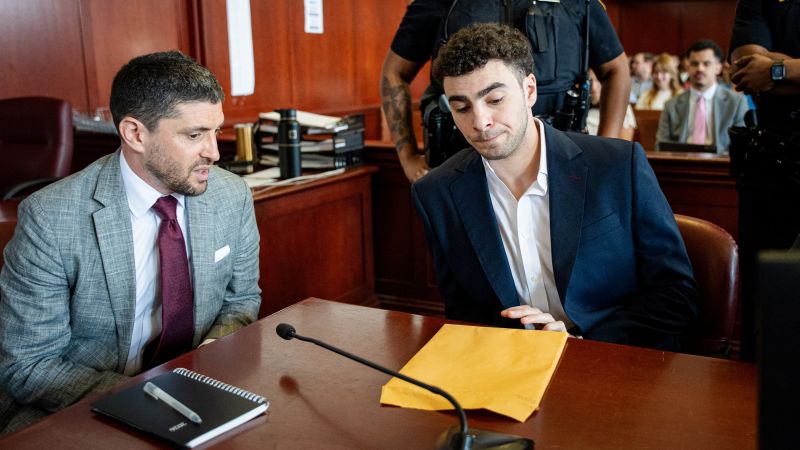
Sandego.net – On Thursday, Luigi Mangione’s legal team submitted a notice to Judge Gregory Carro, informing the court they would no longer pursue a psychiatric defense in the New York state murder case against their client. This decision came just a day after the attorneys had suggested during a prior hearing that they intended to argue an extreme emotional disturbance as a basis for reducing charges. The change in strategy has raised questions about the rationale behind the withdrawal and its potential impact on the trial’s trajectory.
Sealing of Defense Records
During a hearing on Wednesday, Judge Carro had announced his intention to unseal records related to the affirmative defense of extreme emotional disturbance (EED), which allows defendants to admit guilt while asserting they should not face full criminal liability due to a mental health episode. However, following the defense’s abrupt decision to abandon the psychiatric argument, the judge reversed course. He stated Thursday that the records would remain sealed, preserving the confidentiality of Mangione’s legal strategy until the trial commences in September.
The EED defense, if successful, could shift the charges from murder to manslaughter, significantly reducing the potential prison sentence. This is because a jury must determine, by a preponderance of evidence, that the defendant acted under an extreme emotional disturbance at the time of the crime. The withdrawal of this defense means prosecutors will present their case without the benefit of such a mitigating factor, leaving the possibility of a higher sentence intact.
Strategic Shift and Expert Analysis
Legal analysts have noted the dramatic reversal in Mangione’s defense team’s approach. Gary Galperin, a former prosecutor, described the sudden decision as “stunning.” He speculated that the change might stem from Mangione’s personal doubts or the retraction of a key mental health expert. The defense had previously argued that the EED strategy was their strongest option, given the evidence against Mangione in the December 2024 shooting of UnitedHealthcare CEO Brian Thompson.
The attorneys had until Thursday to disclose the name and credentials of their mental health expert to prosecutors. This requirement was part of the court’s process, which allowed the defense to keep discussions about the psychiatric defense confidential. By sealing the records, the team aimed to protect potential jurors from the influence of public speculation about Mangione’s mental state. Galperin highlighted that this move was particularly strategic in a high-profile case, where media attention could sway perceptions.
The Shooting and Manhunt Context
The fatal shooting of Brian Thompson occurred on December 13, 2024, when Mangione shot the CEO as he walked toward a Midtown Manhattan hotel hosting UnitedHealthcare’s annual investors’ conference. The incident, which sparked a nationwide manhunt, has been central to the state trial. Mangione pleaded not guilty to both murder and weapons charges, as well as federal stalking charges, which he is also facing.
During a June 3 hearing, which was initially sealed, Mangione’s lawyer Karen Friedman Agnifilo argued that the EED defense would force the defendant to publicly admit the crime. She emphasized the risks of revealing the defense prematurely, given the intense media scrutiny surrounding the case. “If a defendant goes with an EED defense, they’re essentially admitting publicly that they committed this crime,” she stated in a transcript unsealed Thursday. “And due to the high publicity in this case, not only will making this public before we know for sure whether we are going with this defense, it prejudices both this case and the federal case because of the extraordinary publicity effecting potential jurors.”
Agnifilo’s comments underscore the psychological and legal pressures facing Mangione’s team. The defense had sought to keep the strategy confidential to avoid influencing jurors, who might be swayed by the possibility of a mental health excuse. However, the decision to withdraw the psychiatric defense suggests they may have determined the risk outweighed the benefits, or that their mental health expert’s testimony was not as compelling as initially believed.
Prosecutors’ Evidence and Trial Timeline
Manhattan District Attorney’s office had previously been granted permission to present critical evidence linking Mangione to the crime scene. This included details that could shed light on his motive for the shooting. The ruling, made last month, allowed prosecutors to proceed with their case, which they are now doing without the EED defense as a potential counterpoint.
The state trial is set to begin in September, with the burden of proof resting on the prosecution to demonstrate Mangione’s guilt beyond a reasonable doubt. The federal trial, which involves stalking charges, is also pending. Mangione’s legal team had initially believed the EED defense could serve as a pivotal argument in both cases, but the withdrawal indicates a shift in priorities.
Experts had earlier expressed that the psychiatric defense was the most viable option for Mangione, given the evidence against him. However, the decision to abandon it has left the prosecution with a stronger position. The defense’s initial indication of using the psychiatric argument created uncertainty, but the quick reversal has consolidated the state’s case.
Implications of the Withdrawal
While the psychiatric defense was a strong possibility, its withdrawal may signal a strategic move to focus on other elements of the case. Judge Carro’s decision to keep the defense records sealed reflects the attorneys’ continued effort to manage public perception and protect Mangione’s legal position. The secrecy surrounding the strategy also highlights the high-stakes nature of the trial, where every detail could influence the jury’s verdict.
The legal team’s choice to withdraw the defense has been met with mixed reactions. Some analysts argue that the decision was necessary to avoid public backlash, while others suggest it could weaken Mangione’s case. As the trial approaches, the defense’s focus will likely shift to other arguments, such as the circumstances of the shooting and Mangione’s actions leading up to the crime.
The story has been updated with additional information, including the attorneys’ reasoning for the strategic shift and the impact of the decision on the trial. Nicki Brown of CNN contributed to this report, providing insights into the legal and public implications of Mangione’s case.