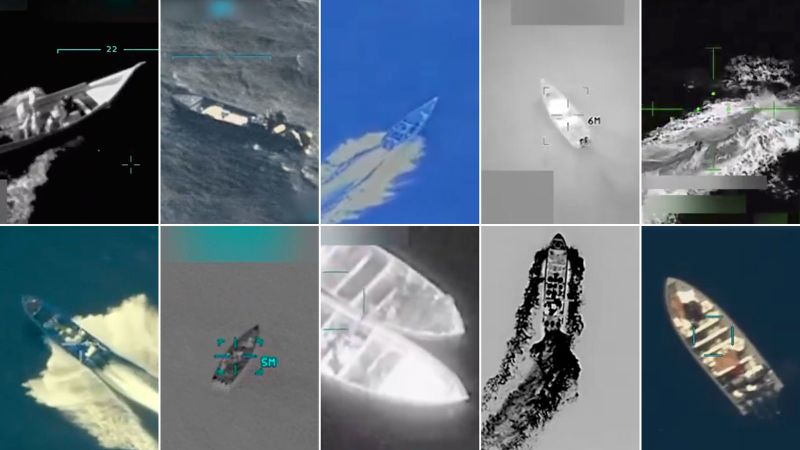
A Timeline of U.S. Strikes on Drug Trafficking Vessels
Sandego.net – Since the start of its campaign to intercept drug trafficking routes, the U.S. military has conducted strikes that resulted in the deaths of at least 207 individuals and the destruction of 66 vessels. These operations, as detailed by official statements and CNN’s analysis of search and rescue efforts, are part of a broader strategy to disrupt the flow of narcotics into the country. The strikes have taken place in both Caribbean and Pacific waters, targeting boats suspected of transporting illicit drugs. Despite the scale of these actions, the U.S. has claimed no service members were harmed in the process.
Following the attacks, there have been at least 20 survivors reported, though the number of people rescued varies depending on the incident. Two of these survivors were temporarily detained by the U.S. Navy after being found alive, before being released and returned to their respective home countries. However, not all individuals who were believed to have survived were located. Eleven are considered missing in action, presumed dead after search teams failed to find them in the water. The most recent strike targeting a suspected drug-trafficking vessel occurred on June 18, underscoring the ongoing nature of these operations.
Coast Guard’s Search and Rescue Role
On December 30, the U.S. Coast Guard initiated a search for survivors who had abandoned their vessel after it was struck in international waters. The operation, which involved scanning the area for any sign of life, was suspended by January 2 with no further updates on the number of individuals recovered. Officials at the time indicated they were actively trying to locate eight survivors, though the exact number remains uncertain. Similar searches were launched following strikes on October 27, January 23, and February 9, but in each case, the efforts ended without success. The Coast Guard’s inability to confirm the fate of all survivors has raised questions about the effectiveness of these rescue missions.
Notably, the military has collaborated closely with the Coast Guard in these operations. After the first strike on April 11, the military informed the Coast Guard of a survivor, prompting the activation of the Search and Rescue system. This coordination continued with subsequent strikes: one survivor was reported on May 8, two on May 26, and two again on June 16. The Coast Guard’s role has been critical in locating individuals in distress, yet its efforts have sometimes been limited by the remoteness of the strike zones and the time it takes for survivors to be spotted.
Legal Justification and Political Context
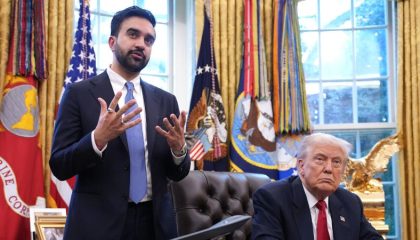
“We are now in an armed conflict with drug cartels,” stated officials under the Trump administration. “The first strike on September 2 marked the beginning of this escalation, and we have the authority to conduct lethal operations without judicial oversight due to a classified Justice Department analysis.”
These assertions have positioned the strikes as part of a formal military campaign, rather than routine counter-drug operations. The Trump administration has argued that the drug cartels qualify as “unlawful combatants,” granting the U.S. the right to engage in targeted killings and targeted vessel destruction. This legal framework allows for rapid response without the need for extensive judicial review, a decision that has been both supported and contested. Critics, including some members of Congress and human rights organizations, have questioned the validity of this claim, arguing that potential drug traffickers should be subject to traditional legal processes before being targeted.
Supporters of the strategy emphasize the need for swift action to combat the opioid crisis and other drug-related issues in the U.S. They contend that the classified Justice Department finding provides a necessary justification for these strikes, especially in areas where drug traffickers operate with impunity. However, opponents point to the lack of public evidence regarding the presence of narcotics on the boats struck or their direct ties to known cartels. This absence of proof has fueled debates about whether the strikes are appropriately targeted or if they risk overreach in their scope.
Evolution of the Strategy and Its Implications
The campaign has evolved over time, with the military increasing its frequency of strikes and refining its methods. Initial operations focused on monitoring and intercepting vessels, but the emphasis has shifted toward direct engagement. The decision to classify drug cartels as combatants has also enabled the military to justify strikes even when the exact target or mission is not fully verified. This approach has been compared to the use of drone strikes in other conflicts, where the target’s identity may be uncertain but the operation is still authorized.
Despite the controversy, the administration has maintained that these strikes are essential for reducing the influx of drugs into the country. The total number of casualties and vessels destroyed highlights the scale of the effort, but it also raises concerns about civilian casualties and the broader humanitarian impact. For instance, the temporary detention of two survivors has drawn attention to the potential for mistreatment of individuals caught in the crossfire. While the U.S. has returned these individuals to their home countries, the incident underscores the complexities of balancing military objectives with diplomatic and ethical considerations.
As the campaign continues, the Coast Guard remains a key player in mitigating its consequences. However, the suspension of search efforts after several strikes has left some victims unaccounted for, adding to the uncertainty surrounding these operations. The administration’s decision to frame the strikes as part of an armed conflict has also shifted the narrative, potentially influencing public perception and congressional support. With no evidence of narcotics on the boats and no public acknowledgment of cartel affiliations, the justification for these strikes remains a point of contention.
The timeline of these strikes reflects a strategic shift in how the U.S. engages with drug trafficking networks. By targeting vessels in both Caribbean and Pacific waters, the military has expanded its reach beyond traditional borders, targeting routes that are vital for smuggling operations. The coordination between the Coast Guard and military forces has improved over time, allowing for quicker response times and more efficient resource allocation. However, the lack of transparency regarding the evidence for each strike has led to calls for greater accountability and oversight.
In conclusion, the U.S. campaign against drug trafficking boats has resulted in significant casualties and vessel destruction, with the military and Coast Guard working together to minimize the impact of these strikes. While the administration asserts that these actions are necessary for curbing the drug flow, the absence of public evidence and the potential for civilian harm have sparked ongoing debates about their legality and effectiveness. As the campaign progresses, the need for clear guidelines and independent verification of targets will likely remain a central issue in its continued operation.
This story has been updated with additional reporting to reflect the latest developments in the timeline and the evolving discourse around the U.S. strategy. The strikes continue to serve as a focal point for discussions on military intervention, legal authority, and the humanitarian cost of counter-drug efforts.