Thousands of baby seals died on two remote sub-Antarctic islands. Scientists now think they know why
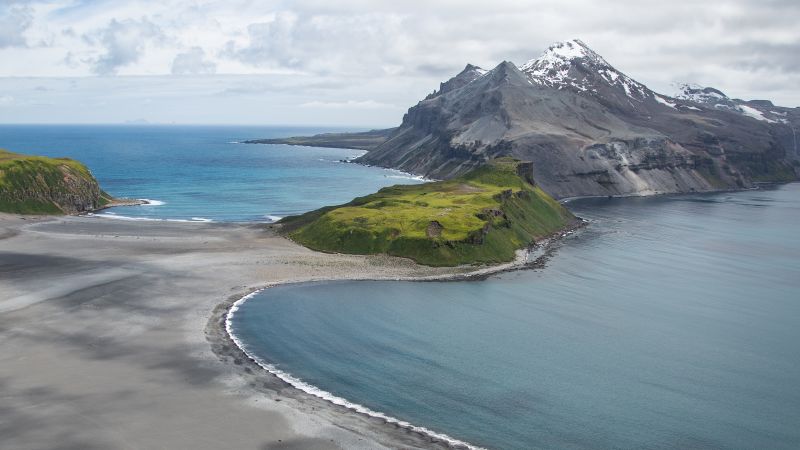
Sandego.net – Heard and McDonald Islands, a pair of isolated sub-Antarctic territories, have become a focal point for a concerning wildlife crisis. A severe outbreak of bird flu, specifically the H5N1 strain, has led to the deaths of approximately 13,000 seal pups, along with significant losses among penguin and seabird populations, according to recent research. These remote islands, located about 2,485 miles (4,000 kilometers) southwest of mainland Australia, have long served as a crucial refuge for marine mammals and avian species. Now, however, they face an unprecedented threat that has sparked urgent scientific investigation.
The Scale of the Crisis
The Australian Antarctic Program’s drone surveys in October and January uncovered a grim picture of the islands’ ecosystems. Images captured revealed thousands of seal pup carcasses scattered along the gray volcanic shores, raising alarms about the virus’s impact. Jarrod Hodgson, a senior research scientist with the program, described the findings as “sobering,” emphasizing the severity of the situation. The southern elephant seal pup population, which numbered around 17,000 at the start of the breeding season, has suffered a 76% mortality rate. In certain areas, the death toll reached a staggering 97%, indicating localized devastation.
A Global Threat with Local Consequences
The H5N1 bird flu strain, known for its rapid spread and high fatality rates, has been identified as the culprit behind this ecological upheaval. While the mainland of Australia and New Zealand remain free of the strain as of February, it has already claimed lives in other regions. The virus’s reach extends far beyond its initial habitats, with reports of infections in both birds and mammals. Scientists are now linking the outbreak to the movement of wildlife from the Crozet Islands, a French territory situated 1,800 km to the north. Genetic analysis suggests the virus likely arrived on Heard and McDonald Islands in August 2025, carried by migratory birds or other animals.
“The thing we don’t know from our surveys so far is what the impact was on the breeding adult population of southern elephant seals,” Hodgson noted. This uncertainty adds complexity to understanding the full scope of the crisis. While the primary focus has been on seal pups, the effects on adult seals could be equally profound, potentially disrupting breeding cycles and long-term population stability. Similarly, data from January revealed alarming numbers of adult king penguin deaths on Heard Island, with mortality rates exceeding normal levels. This dual threat to both juvenile and adult wildlife underscores the virus’s adaptability and its ability to spread across diverse species.
Patterns and Broader Implications
Wildlife biologist Julie McInnes, who is also the lead author of the study, highlighted the striking similarity between this outbreak and previous ones in sub-Antarctic regions like South Georgia. “Our results show a similar pattern to other sub-Antarctic islands, such as South Georgia, where elephant seals have been hardest hit,” she explained. The eastward progression of the H5N1 strain has now reached these islands, marking its continued expansion into previously unaffected areas. This movement of the virus raises questions about its potential to reach more populated regions, including the Australian mainland, and the broader ecological consequences.
McInnes added that the discovery of H5N1 in Heard and McDonald Islands represents the first confirmed case of the strain in an Australian external territory. This milestone is significant, as it highlights the interconnectedness of global ecosystems and the challenges of monitoring disease spread in remote environments. The virus’s presence in these islands suggests that it may have traversed vast distances, possibly through bird migrations or ocean currents, to reach a population that was previously untouched by its effects.
Understanding the Spread
Scientists are working to trace the origin of the H5N1 outbreak in the region. Genetic data analysis points to the Crozet Islands as a likely source, with the virus potentially arriving via migratory birds or other wildlife. The Crozet Islands, part of the French sub-Antarctic territory, have been identified as an earlier hotspot for the strain, making them a critical link in the transmission chain. Researchers are now exploring how the virus might have traveled such a long distance, given the isolated nature of the sub-Antarctic environment.
“These observations of H5 bird flu at Heard Island and McDonald Island are the first detection in an Australian external territory and show the continued eastward movement of the virus around the sub-Antarctic,” McInnes said in a statement. The findings not only confirm the virus’s presence but also illustrate its ability to adapt to new habitats. This adaptability could mean that the H5N1 strain is more dangerous than previously thought, particularly for species that rely on these remote islands for survival.
Ecological Impact and Conservation Concerns
The loss of seal pups and adult seals, combined with the deaths of penguins and seabirds, has prompted concerns about the long-term health of the islands’ ecosystems. Seal pups play a vital role in maintaining population balance, and their high mortality rate could have cascading effects on the food chain. Penguins, which are also critical to the region’s biodiversity, have experienced above-normal deaths, further straining the local environment. The situation has drawn attention from conservationists, who are now advocating for increased monitoring and intervention strategies to mitigate the virus’s impact.
“The loss of these young seals is a major blow to their species, and the fact that adults are also affected adds another layer of concern,” Hodgson remarked. The data collected by the Australian Antarctic Program is now being analyzed to determine the exact pathways of the virus’s spread and its potential to affect other regions. While the islands have historically been a safe haven, the introduction of H5N1 has turned them into a battleground for survival. Researchers are also investigating whether the virus could spread to other parts of the Antarctic, threatening even more wildlife.
Future Research and Global Awareness
The study, published in the scientific journal BioRxiv, provides a preliminary insight into the outbreak’s scale and origin. However, it has not yet undergone peer review, which means the findings are still subject to further validation. Scientists are urging continued research to understand the virus’s behavior in this unique environment and to develop targeted conservation measures. The discovery also serves as a warning for other remote regions, emphasizing the need for global cooperation in tracking and responding to emerging infectious threats.
“The impact of H5N1 on these islands is a stark reminder of how quickly diseases can spread in isolated ecosystems,” McInnes said in a statement. “It underscores the importance of maintaining vigilance and investing in monitoring systems that can detect such outbreaks early.” As the research progresses, it may offer valuable lessons for preventing future pandemics in both wildlife and human populations. The fate of Heard and McDonald Islands’ animals remains uncertain, but the scientific community is determined to uncover the full story behind this unprecedented crisis.
In summary, the bird flu outbreak on Heard and McDonald Islands has revealed the vulnerability of sub-Antarctic ecosystems to global health threats. The collaborative efforts of researchers, the use of advanced technology like drones, and the analysis of genetic data have provided critical insights into the virus’s spread. While the immediate focus is on saving the surviving wildlife, the long-term implications of this event could reshape our understanding of how diseases interact with remote environments. As scientists continue their work, the hope is that these findings will inform better strategies to protect the fragile balance of life in the Antarctic and beyond.