Race for UK Leadership Looms After Burnham’s Parliamentary Win
Sandego.net – The UK leadership race has intensified following Andy Burnham’s decisive victory in the Makerfield by-election, signaling a potential shift in the party’s future. Burnham, the Greater Manchester mayor and a prominent Labour figure, secured 55% of the votes, a strong showing that has reignited discussions about challenging Prime Minister Keir Starmer for the role of prime minister. Reform UK’s Robert Kenyon, who came second with 35%, highlighted the growing political tension in the region, as the outcome of this local contest now casts a shadow over national leadership aspirations.
Burnham’s Rise and the Implications for Labour
Burnham’s win in Makerfield has positioned him as a formidable candidate in the UK leadership race, challenging the current stability of Starmer’s government. The by-election, held in northwest England, served as a microcosm of broader voter sentiment, with Burnham’s emphasis on grassroots renewal and economic fairness resonating strongly in a constituency historically overlooked by Westminster. Analysts suggest that his victory may embolden him to seek a leadership role, potentially altering the balance of power within the Labour Party and the trajectory of the nation’s political direction.
Starmer’s leadership, once seen as secure, now faces scrutiny as Burnham’s success demonstrates a willingness among Labour members to support a challenge. The race for UK leadership looms larger than ever, with Burnham’s win providing a platform to question the prime minister’s effectiveness. His campaign, which focused on local issues like job creation and community representation, has positioned him as a unifying figure, contrasting with Starmer’s more centralized approach. This dynamic could reshape the party’s internal politics and the upcoming general election strategy.
Electoral Context and Voter Concerns
The Makerfield by-election, held in a working-class area near Manchester, reflected deepening public discontent with Labour’s policies. Burnham’s victory was fueled by his promise to address economic inequality and modernize the party’s image, while Reform UK’s Kenyon capitalized on voter frustration with traditional political parties. The race for UK leadership looms as these competing narratives gain traction, with the results reinforcing the idea that Labour’s grip on power may be more fragile than previously thought.
Political observers note that Burnham’s win in Makerfield could serve as a catalyst for a leadership contest within the Labour Party. His ability to connect with voters in a region that has long felt politically neglected has bolstered his credibility as a national leader. Meanwhile, Kenyon’s second-place finish underscores Reform UK’s potential to influence the outcome of the UK leadership race, especially if Labour’s internal divisions deepen. The by-election has thus become a pivotal moment in the broader political landscape.
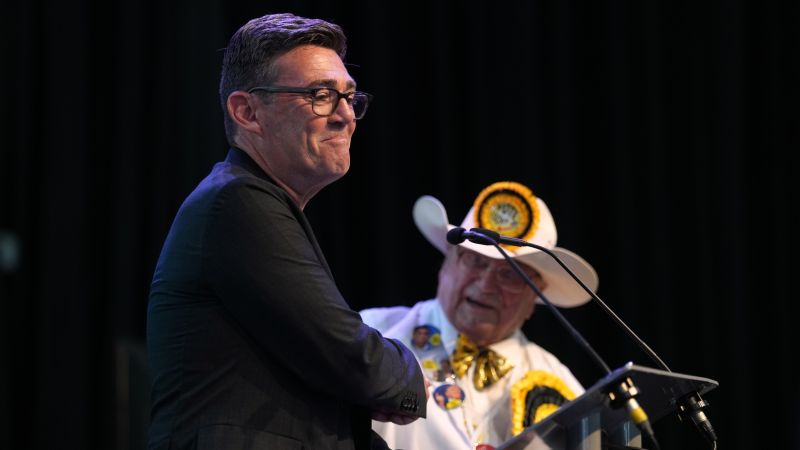
Burnham’s strategy in the race for UK leadership looms as a model for future campaigns. By focusing on local issues and avoiding overt national ambitions, he managed to secure support without alienating potential allies. His victory speech, which highlighted the need for political reform and renewed public trust, resonated with working-class voters eager for change. This approach may not only strengthen his position within Labour but also set the stage for a more competitive leadership race, as his win validates his appeal across key demographics.
Labour’s Challenges and the Path Forward
Starmer’s government, which has faced a decline in public support since 2024, now confronts renewed pressure from within. The race for UK leadership looms as internal debates over the party’s direction intensify, with Burnham’s success challenging the status quo. His victory in Makerfield has galvanized his supporters, who argue that a leadership change is necessary to revitalize Labour’s performance and address the growing divide between Westminster and the communities it represents.
While the by-election result is a significant step for Burnham, the race for UK leadership looms as a more complex challenge. Starmer’s administration must now navigate the fallout from this win, balancing the need to maintain unity with the possibility of a leadership contest. The political stakes are high, with the outcome potentially determining the next government’s policies and the Labour Party’s ability to remain a dominant force in British politics. As the race unfolds, the focus will remain on Burnham’s ability to translate his local success into a national mandate.