New York Mayor and City Leaders Advocate for Ban on Horse-Drawn Carriage Rides Following Teen’s Fatal Accident
Sandego.net – In the wake of a tragic incident in Central Park, where a 18-year-old tourist lost his life after leaping from a speeding horse-drawn carriage, city officials and advocacy groups are intensifying efforts to phase out this traditional mode of transport. The incident, which occurred on June 19, 2026, has reignited debates about the safety of horse-drawn rides in one of New York City’s most iconic public spaces. Romanch Mahajan, the teenager who died, was believed to be the first individual to perish in such an accident since the carriages began operating in the park over a century and a half ago, according to the labor union representing the industry and the Central Park Conservancy.
The Incident in Central Park
Romanch Mahajan’s death came after he exited a four-wheeled carriage as its horse accelerated uncontrollably through the park. The driver, who had momentarily dismounted to capture a photo of his passengers, reportedly failed to secure the vehicle properly, leading to the runaway event. Mahajan’s father, Deepak Mahajan, recounted to The New York Times that the family had just arrived from India on Monday, the same day Romanch received news of his acceptance to a university in Jaipur. The trip was intended as a celebration of his high school graduation, with stops at major landmarks like the Statue of Liberty and the Brooklyn Bridge.
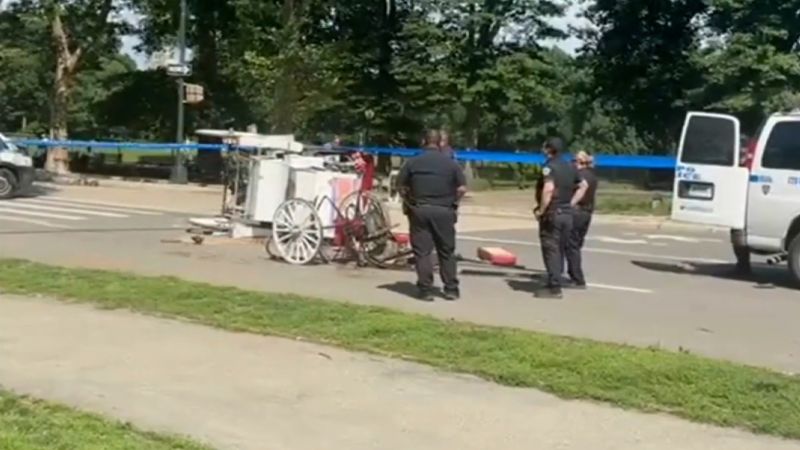
During the ride, the driver hopped off near a fountain to photograph the group, creating a momentary lapse in control. According to Deepak Mahajan, Romanch made the decision to jump from the carriage in an attempt to rescue his mother, who had fallen out during the chaos. The teenager’s scream of “Mom!” as he leapt from the vehicle echoed through the park, marking the beginning of a harrowing sequence of events. His father described the scene as a mix of confusion and urgency, with the carriage eventually colliding with another horse-drawn vehicle before overturning. While the family sustained minor injuries, the incident left them grieving the loss of Romanch’s dreams.
Industry Response and Calls for Reform
The Central Park Conservancy, which oversees the 843-acre (341-hectare) green space, has joined the chorus of voices demanding stricter safety measures. The group emphasized that the park is now a bustling hub of activity, with joggers, cyclists, and motorized scooters sharing the same pathways as carriages. This increased foot traffic, they argue, heightens the risk of accidents, particularly given the animals’ tendency to spook in urban environments. “The record is undeniable: crashes, runaways, horse deaths, injuries, and now a devastating loss of human life,” stated Edita Birnkrant, leader of the animal welfare organization New Yorkers for Clean, Livable, and Safe Streets, in a statement delivered to the public.
“We’re absolutely gutted and stunned by this tragedy,” said Alexander Kemp, a vice president at the Transport Workers Union Local 100, which represents carriage drivers and owners. “We have shuttered the stables and ceased operations today while we conduct extensive internal reviews of safety protocols and explore ways to enhance them.”
Kemp’s remarks reflect the industry’s initial reaction to the incident, with some members acknowledging the need for improvement. However, the owners of horse carriages have consistently maintained that their animals are well-cared for and that the stables meet modern standards. They also deny allegations of negligence, insisting that the current safety measures are adequate to prevent such accidents. Despite these claims, the incident has cast doubt on the industry’s practices, prompting calls for a temporary suspension of operations until reforms are implemented.
Legislative Momentum and Public Sentiment
The tragedy has galvanized city leaders to act swiftly. Mayor Zohran Mamdani has reaffirmed his support for a bill that would eliminate horse-drawn carriage rides, stating that the city must “deliver a just transition that protects workers and ensures public safety.” City Council Speaker Julie Menin announced plans for a hearing next month to discuss the proposal, which has been under consideration for some time. The council aims to support drivers in transitioning to new careers while eliminating the risks associated with horse carriages.
This legislative push follows a similar debate in 2025, when the Central Park Conservancy revived support for Ryder’s Law—a measure designed to improve safety standards for carriage operations. The law, named after a tragic incident in 2018, would require carriage companies to implement mandatory safety checks and training for drivers. The current incident has been seen as a critical moment for the law’s revival, with advocates arguing that the time to act is now. “The time to act is now,” wrote Menin on the social platform X, highlighting the urgency of the situation.
Public Reaction and Broader Implications
Animal rights activists have long criticized the industry, citing concerns over overwork, poor living conditions for the horses, and frequent rule violations by drivers. These allegations gained traction after a series of incidents over the past 13 months, which the conservancy reported as the eighth such event in the park. Critics argue that the animals are subjected to grueling hours, often working in crowded urban settings where their natural instincts are constantly tested. The recent accident, however, has added a human element to the debate, shifting public focus from the horses’ welfare to the safety of pedestrians.
While the carriage industry defends its practices, the incident has exposed vulnerabilities in the system. The owner of the carriage involved in the accident suspended the driver indefinitely and plans to retire the horse from service, as per the union’s report. The driver’s decision to dismount for a photo, a common practice among carriage operators, has been called into question. This moment of distraction, combined with the horse’s sudden bolt, created a chain of events that proved fatal. The tragedy underscores the need for a more structured approach to safety, with many calling for the replacement of horse-drawn carriages with electric or self-driving alternatives.
As the city grapples with the decision, the debate has highlighted the tension between tradition and modernity. Horse-drawn carriages, once a symbol of New York’s romanticized past, now face scrutiny for their role in contemporary safety concerns. While some argue that the rides are a cherished part of the city’s heritage, others see them as outdated and dangerous. The outcome of the upcoming legislative hearing will determine whether these carriages remain a fixture of Central Park or are replaced by newer, safer technologies. For Romanch Mahajan’s family, the decision carries profound emotional weight, as they mourn the loss of a young life and seek justice for their son’s dream. The incident serves as a stark reminder of the risks inherent in urban tourism and the importance of prioritizing safety in iconic landmarks.