White House Staff Bids Farewell to 35-Year-Old Air Force One Planes
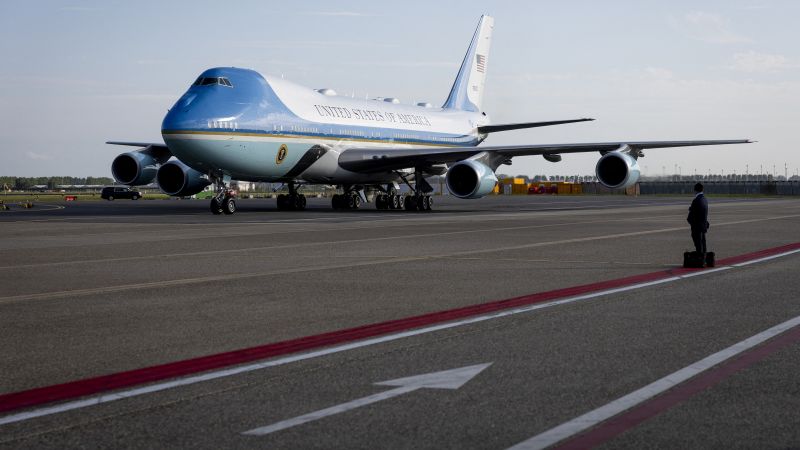
Sandego.net – As the sun rose over Joint Base Andrews, White House staff began their final farewell to the aging Boeing 747-200s that have long symbolized presidential travel. These planes, which served as Air Force One for over three decades, are set to retire as three new Boeing 747-800s enter service. The transition, announced amid a mix of nostalgia and progress, underscores the administration’s commitment to modernizing its fleet. White House officials have shared poignant reflections, highlighting the emotional significance of this change while emphasizing the need for upgraded capabilities in the face of evolving global demands.
A Historical Departure and Sentimental Reflections
The retirement ceremony marked a bittersweet moment for those who have relied on the VC-25A for critical missions. White House communications director Steve Cheung expressed deep gratitude for the aircraft’s service, calling it “a faithful servant” in a heartfelt message. Dan Scavino, deputy chief of staff, echoed these sentiments, noting that the plane has been a constant companion during 5 1/2 years of international travel. “White House staff bids farewell to a reliable partner that has stood the test of time,” he remarked, acknowledging the plane’s role in shaping modern presidential mobility.
Modernization Efforts and Qatar’s Gift
Replacing the aging fleet with cutting-edge models is a strategic move to enhance security and technology. Three Boeing 747-800s, including one gifted by Qatar, are being retrofitted as VC-25Bs. This new aircraft, set to join the fleet, will serve as a transitional asset before the two additional planes from Boeing are fully operational in about two years. The modernization process, expected to cost less than $400 million, includes advanced systems to meet today’s demands. “White House staff bids farewell to older models as the new era of Air Force One begins,” said a spokesperson, emphasizing the balance between honoring legacy and embracing innovation.
The Qatar jet, which completed its final test flight on June 10, has been transformed with a fresh red, white, and gold livery. This design, first proposed during Trump’s first term, reflects the administration’s preference for a bold appearance. The updated planes feature reinforced security measures, state-of-the-art communication tools, and surveillance capabilities. While some critics questioned the cost of the gift, the upgrades are seen as essential for ensuring the fleet’s readiness for complex operations, from diplomatic engagements to emergency responses.
A Legacy of Presidential Resilience
The VC-25A has been a cornerstone of presidential travel, participating in pivotal moments like the 9/11 evacuations. Former President George W. Bush’s abrupt flight from a Florida school event after the World Trade Center attack is a defining example of the plane’s role in safeguarding leaders. Over the years, the aircraft has traversed challenges from Iraq to Australia, earning its reputation as a steadfast symbol of executive authority. White House staff bids farewell to these models not just for their age but for the legacy they’ve carried through decades of service.
Despite their historical significance, the VC-25As have faced scrutiny for outdated systems. Trump, who championed the replacement effort, highlighted the need for modernization, citing the plane’s aging infrastructure. The retirement also signals a shift in how presidential travel is managed, with the C-32, a Boeing 757, stepping in as a backup for vice presidents and cabinet members. “White House staff bids farewell to a trusted asset while preparing for the next generation of presidential aircraft,” noted officials, underscoring the blend of tradition and technological advancement.
Looking Ahead: A New Era for Air Force One
The transition to the new fleet marks a new chapter in presidential aviation. While the old planes are being retired, they remain part of the historical record, preserving their role in shaping national events. White House staff bids farewell to these aircraft with a mix of pride and anticipation, recognizing their contributions while embracing the innovations that will define the future. The new models, with their enhanced features, aim to provide leaders with greater flexibility and security, ensuring the Air Force One continues to serve as a global icon of presidential power.